
When it comes to hosting the biggest spectacle in American sports, few cities possess the soul, the rhythm, and the sheer logistical capability of New Orleans. Known for its vibrant French Quarter, its legendary jazz heritage, and a culinary scene that rivals any global capital, the “Big Easy” has cemented itself as a perennial favorite for the National Football League. Over the decades, the city has transformed into a reliable stage for championship glory, blending high-stakes gridiron drama with the unmistakable flair of Louisiana hospitality.
A Legacy of Hosting Championships
The relationship between this iconic city and the championship game is deep-rooted. To date, New Orleans has hosted the Super Bowl ten times, tying it with Miami for the most appearances in the history of the event. Each iteration has not only showcased the city’s capacity to handle massive influxes of visitors but has also highlighted its architectural landmarks and its ability to throw a party unlike any other.

The Tulane Stadium Era
Before the era of climate-controlled domes, the championship was often an outdoor affair. The city first welcomed the event in 1970 for Super Bowl IV, followed by games in 1972 and 1975 at the historic Tulane Stadium. These early contests established a precedent: the city was a place where memories were forged. Though the stadium has since been replaced by the modern Yulman Stadium, these early games remain a foundational chapter in the city’s sports narrative.
The Superdome Transition
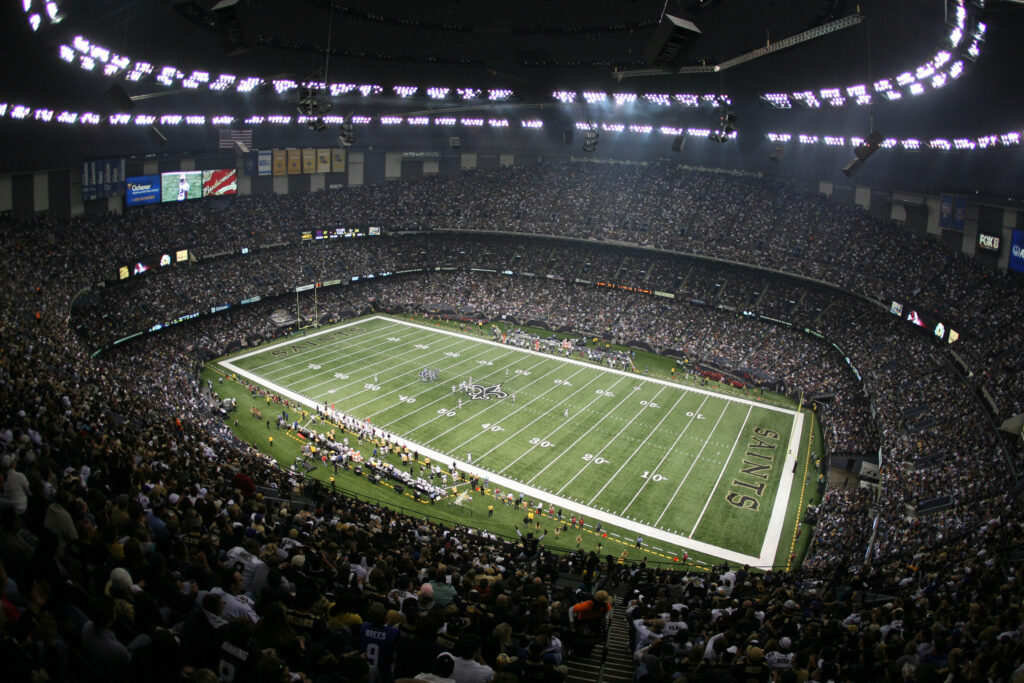
The landscape changed permanently in 1975 with the opening of the Caesars Superdome. This architectural marvel, then known as the Louisiana Superdome, allowed the city to guarantee an environment immune to the unpredictable southern weather. Starting with Super Bowl XII in 1978, the city moved its championship hosting duties into the heart of downtown. This shift solidified the venue as one of the most iconic indoor stadiums in the United States.
The Evolution of the Fan Experience
Hosting the event requires more than just a stadium; it demands a city that can manage hundreds of thousands of guests. The unique urban geography of the city, defined by the Mississippi River and the surrounding bayous, creates an immersive experience that keeps fans returning.
The Role of Downtown and Beyond
During these ten events, visitors have flooded the Central Business District and spilled into the historic neighborhoods. The proximity of the stadium to world-class dining and high-end accommodation means that the championship week is not merely about three hours of football. It is about the Beignets at Cafe Du Monde, the late-night music on Frenchmen Street, and the festive atmosphere of Jackson Square.

Economic and Cultural Impact
Each time the city is selected as a host, it serves as a massive investment in the local infrastructure. Upgrades to Louis Armstrong New Orleans International Airport and the renovation of historic hotels reflect the long-term benefits of these short-term spectacles. Beyond the revenue, the city uses the global spotlight to showcase its resilience—a narrative that became particularly poignant following major restorations in the mid-2000s. The games served as a signal to the world that the heartbeat of Southern Louisiana was stronger than ever.
Looking Toward the Future
The tradition of hosting does not end with the past ten games. The city is constantly evolving, ensuring that it remains at the top of the list for league officials and fans alike.
Continuous Venue Improvements
The Caesars Superdome has undergone massive renovations to ensure it meets the modern requirements of a twenty-first-century event. Improved amenities, better connectivity, and a more fan-centric concourse design are part of a multi-million-dollar commitment. This focus on “future-proofing” is why the city continues to win bids for future games, effectively keeping it in a perpetual state of readiness.
A Cultural Institution
Beyond the concrete and the steel, it is the spirit of the people that makes these events successful. Whether it is the spontaneous brass band performances near Canal Street or the hospitality provided by the local staff, the “New Orleans Factor” is something that cannot be replicated in other major markets. The city treats the championship as a homecoming, inviting visitors into its rich tapestry of history and celebration.
Why the City Keeps Winning Bids
When the league reviews potential host cities, they look for a combination of logistical ease, hotel capacity, and cultural impact. New Orleans delivers on all fronts, consistently proving that it is more than just a destination; it is an experience.
- Walkability: The compact nature of the downtown area allows fans to move from their hotels to the stadium and entertainment districts with ease.
- Dining Versatility: From Gumbo at small, family-owned spots to fine dining in the Garden District, the culinary variety is unmatched.
- Infrastructure: Extensive experience in managing large-scale events—ranging from Mardi Gras to the New Orleans Jazz and Heritage Festival—provides the local government and security forces with a level of proficiency that is rare.
As we look at the history of the ten games hosted here, we see a city that has grown alongside the sport. The memories of historic plays, legendary halftime shows, and the electric atmosphere of a post-win parade in the streets are woven into the fabric of the city. With every new game, the narrative expands, adding more layers to the lore of this legendary destination. For fans, it is a bucket-list trip; for the city, it is a celebration of its endurance, its talent, and its deep-seated love for a spectacle done right.
The tally of ten games is not a final number, but rather a testament to a lasting bond. As long as the city maintains its vibrant character and continues to invest in its future, it will remain the heartbeat of the championship circuit, welcoming the world to experience the magic of Louisiana once more.
LifeOutOfTheBox is a participant in the Amazon Services LLC Associates Program, an affiliate advertising program designed to provide a means for sites to earn advertising fees by advertising and linking to Amazon.com. Amazon, the Amazon logo, AmazonSupply, and the AmazonSupply logo are trademarks of Amazon.com, Inc. or its affiliates. As an Amazon Associate we earn affiliate commissions from qualifying purchases.