
To walk through the historic streets of the French Quarter in New Orleans is to immerse yourself in a sensory experience unlike any other in the United States. Among the jazz music drifting from Bourbon Street and the architectural charm of the Garden District, one aroma stands above the rest: the deep, earthy, and unmistakable scent of chicory-infused coffee. Known locally as “New Orleans Style Coffee,” this beverage is more than just a morning pick-me-up; it is a cultural cornerstone of Louisiana.
The Roots of a Cultural Tradition
The history of coffee in New Orleans is intrinsically linked to the city’s complex past, characterized by trade, scarcity, and innovation. During the Civil War, the Union naval blockade of the port of New Orleans severely restricted the supply of imported goods, coffee included. As beans became a rare commodity, locals began searching for an additive that could stretch their supply while maintaining the robust, dark flavor profile they had grown to love.
The Role of Chicory
Chicory is the root of the Cichorium intybus plant, a blue-flowered perennial often found in salads as endive or radicchio. When dried, roasted, and ground, the root produces a dark, intense powder that mimics the bitterness and deep color of coffee. While it lacks caffeine, it provides a unique woody, nutty, and slightly sweet flavor that perfectly complements the dark-roasted coffee beans traditional to the region. This wartime necessity eventually transitioned into a preferred regional taste, cementing chicory coffee as a hallmark of Southern hospitality.
Cultural Adaptation and Influence
The influence of the French settlers, who originally introduced the practice of using chicory during times of shortage, merged with the local palate. Over time, the drink became a daily ritual, solidified by the establishment of iconic institutions like Café Du Monde, which opened its doors in 1862. Today, visiting Café Du Monde near Jackson Square remains a rite of passage for every traveler visiting Louisiana.
The Anatomy of the Perfect Cup
New Orleans style coffee is distinct not only in its ingredients but in its preparation. Whether served as a steaming café au lait or a refreshing iced version, the blend requires a specific touch to achieve that signature “Big Easy” quality.
Selecting the Beans
The base of the drink is almost always a dark-roast coffee, often a French roast or an Italian roast, which provides the necessary body to stand up to the boldness of the chicory. The ratio is generally one part chicory to three parts coffee, though this can vary depending on individual preference and the specific roaster’s philosophy.

Preparation Methods
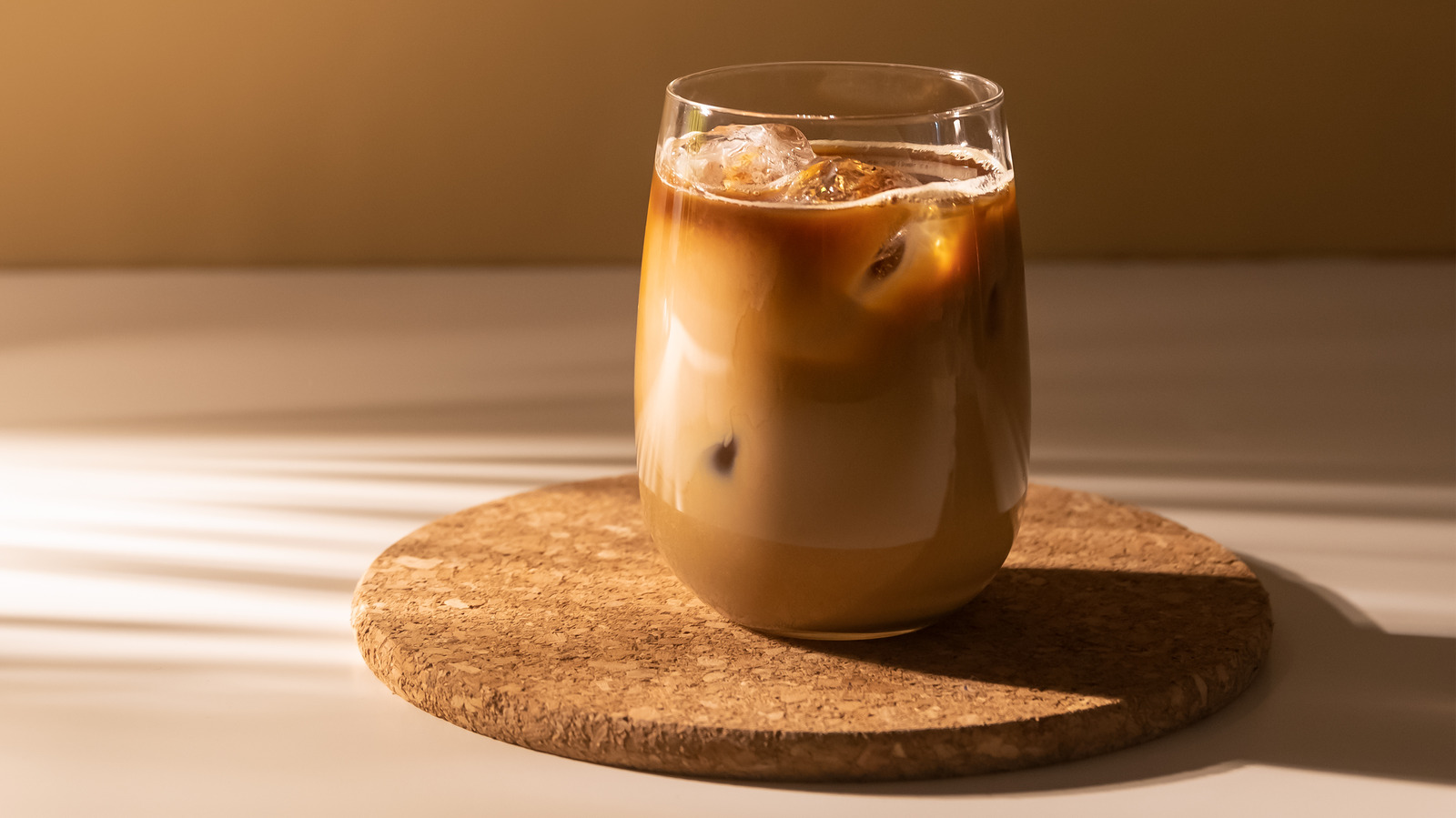
In New Orleans, the coffee is typically prepared using a drip method. However, the coarseness of the grind is essential; if the grounds are too fine, the chicory can create a muddy, overly extracted brew. Once brewed, the coffee is most traditionally served as a café au lait—a mixture of equal parts coffee and hot, steamed milk. The contrast between the dark, slightly bitter coffee and the velvety, sweet milk is what defines the experience.
Pairing with the Perfect Pastry
One cannot discuss New Orleans style coffee without mentioning its most famous companion: the beignet. These deep-fried, square pieces of dough, smothered in a mountain of powdered sugar, are the heartbeat of the French Market district.
The Science of the Pair
The bitterness of the chicory-infused coffee serves as a vital counterpoint to the intense sweetness of the beignet. As the sugar from the pastry dissolves on the palate, the woody, roasted notes of the chicory cut through the sugar, preventing the palate from becoming overwhelmed. This balance is what makes the breakfast combination a timeless tradition in New Orleans.
Beyond the Beignet
While beignets are the primary partner, locals also enjoy this coffee with other regional staples. During holidays, it is common to serve it alongside king cake, or for a simpler breakfast, a hearty slice of French bread with butter and preserves. Regardless of the accompaniment, the presence of chicory coffee elevates the meal into a moment of pure local culture.
How to Experience It Like a Local
For the modern traveler, navigating the coffee scene in New Orleans is a journey through both history and modern innovation. While the classics remain the standard-bearers, the city’s coffee culture continues to evolve.
Navigating the Coffee Houses
- The Classics: A trip to the French Quarter is incomplete without visiting the historic coffee stands. These locations offer a connection to the city’s past and provide a quintessential view of street performers and local life near the Mississippi River.
- Modern Cafes: Throughout neighborhoods like the Warehouse District and Bywater, newer cafes are experimenting with the tradition. Some now offer cold-brew versions of chicory coffee or use house-made chicory syrups to infuse specialty drinks, bringing a contemporary twist to the century-old habit.
Bringing the Taste Home
Travelers often look to purchase bags of coffee and chicory blends to take back home. While many specialty retailers sell these pre-mixed, the key is to look for those that use high-quality beans and authentic roasted chicory root. Understanding how to store the blend is also important; because of the chicory’s tendency to absorb moisture, it should be kept in an airtight container away from direct heat to preserve its nutty aromatics.

A Reflection on Local Life
When you sip a cup of New Orleans style coffee, you are doing more than drinking caffeine; you are participating in a historical narrative. It is a flavor profile born of defiance and necessity that bloomed into a citywide identity. From the early morning fog over the Mississippi River to the late-night music scene, the coffee is the constant, reliable companion of New Orleans. Whether enjoyed in the heart of the tourist districts or in the quiet, tree-lined streets of the Garden District, it offers a genuine taste of the culture that defines this singular American city.
LifeOutOfTheBox is a participant in the Amazon Services LLC Associates Program, an affiliate advertising program designed to provide a means for sites to earn advertising fees by advertising and linking to Amazon.com. Amazon, the Amazon logo, AmazonSupply, and the AmazonSupply logo are trademarks of Amazon.com, Inc. or its affiliates. As an Amazon Associate we earn affiliate commissions from qualifying purchases.