
Choosing the right time to visit New Orleans is a balancing act between navigating the city’s legendary festive calendar and managing its distinctively humid subtropical climate. As the crown jewel of Louisiana, this city offers a unique cadence of life that changes dramatically depending on whether you arrive during the height of carnival season or the quieter, sweltering stretches of late summer. Understanding the seasonal nuances is essential to crafting an experience that captures the true soul of the Big Easy.
The Peak Season: Festivals and Fervor
For many travelers, the allure of New Orleans is synonymous with its vibrant culture and world-class celebrations. The peak season, typically spanning from February through May, represents the city at its most kinetic.
The Carnival Experience
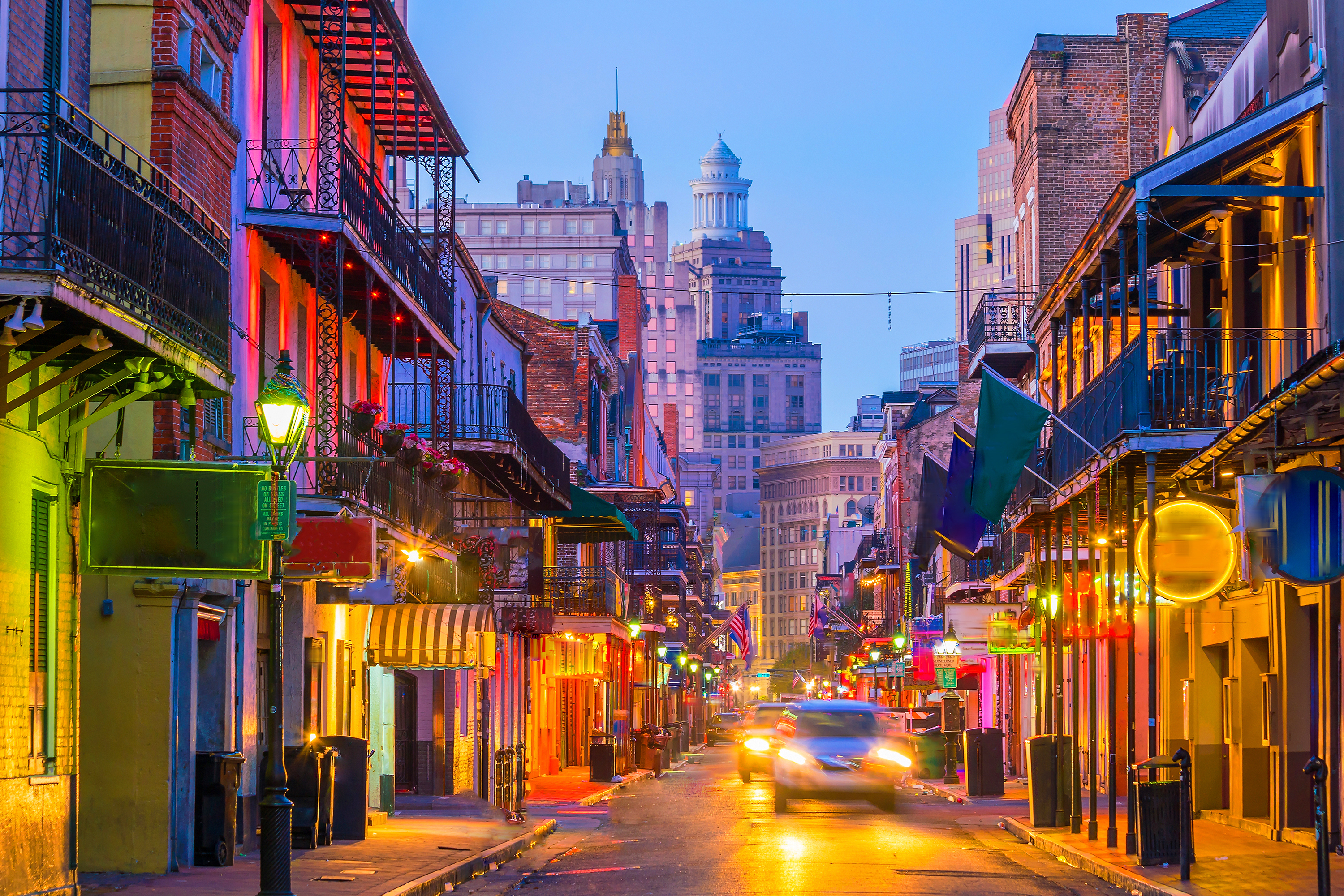
Mardi Gras is the heartbeat of the city. While the actual date shifts annually based on the liturgical calendar, the weeks leading up to Fat Tuesday constitute a period of unparalleled pageantry. Visiting during this time requires strategic planning; hotel availability vanishes months in advance, and the crowds in the French Quarter and along the parade routes of St. Charles Avenue are immense. If your goal is to immerse yourself in the spectacle of krewes, elaborate floats, and street parties, there is no substitute for this window.
Springtime Vibrancy
Following the madness of carnival, the spring season—specifically April and May—is widely considered the most pleasant time to visit. The humidity remains manageable, and the city’s gardens, particularly in the Garden District, are in full bloom. This period also hosts the New Orleans Jazz & Heritage Festival, a massive cultural event held at the Fair Grounds Race Course. For music enthusiasts, this is the definitive time to visit, as the city’s legendary clubs—from Preservation Hall to the small lounges along Frenchmen Street—come alive with world-class talent.
Shoulder Seasons: Finding the Sweet Spot
If you prefer to avoid the shoulder-to-shoulder crowds of festival season while still enjoying comfortable temperatures, the shoulder months of late autumn and early winter offer a more intimate look at local life.
The Autumn Grace
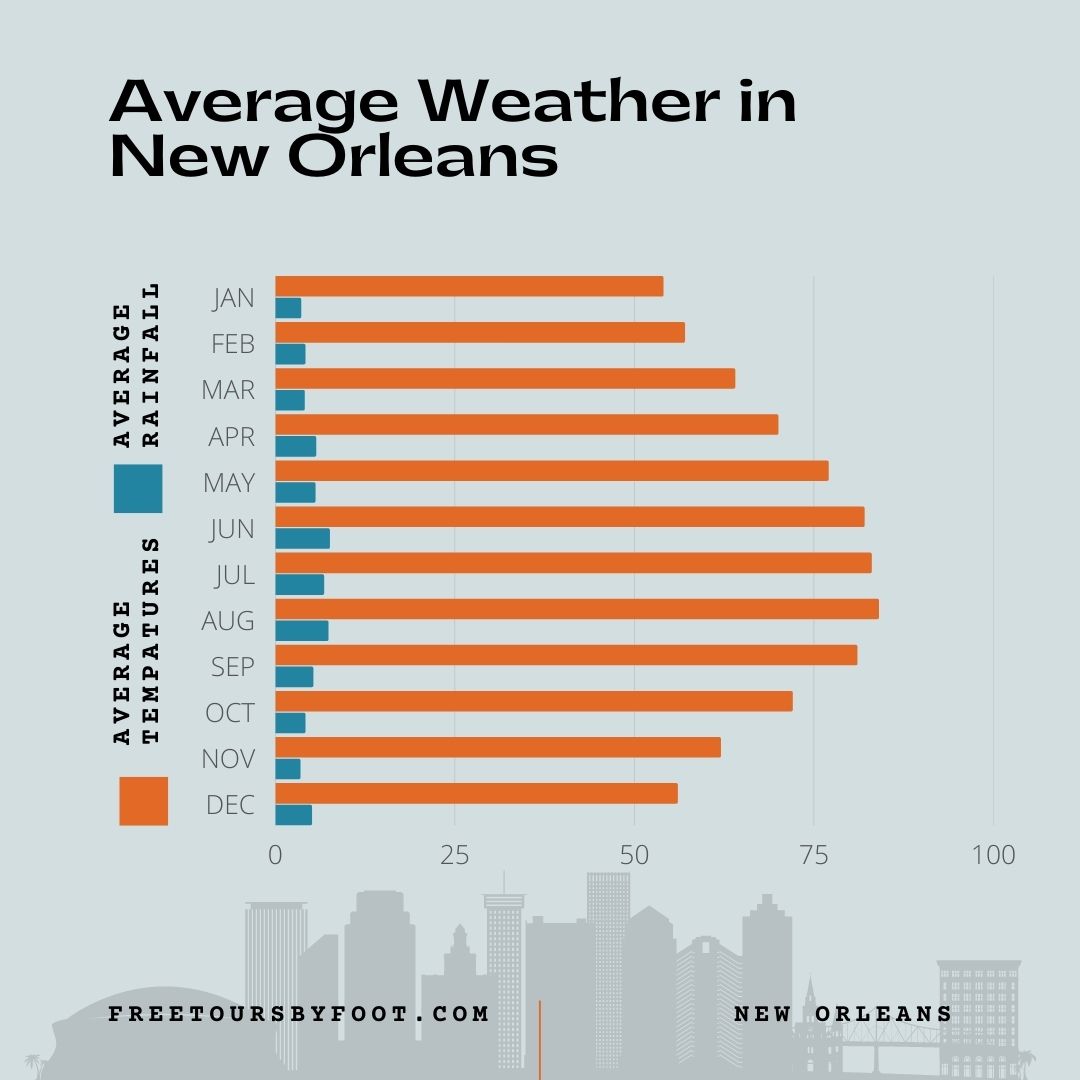
October and November are perhaps the most underrated months to visit New Orleans. The oppressive heat of the summer has finally dissipated, replaced by crisp, temperate days perfect for walking tours through Jackson Square or exploring the historic tombs of St. Louis Cemetery No. 1. The city’s culinary scene also thrives during this time; it is the beginning of oyster season, and the cooler air makes it infinitely more enjoyable to sit outside at a café near Café Du Monde to enjoy beignets.
The Festive Holiday Glow
December brings a unique charm to the city. While it is certainly cooler, the festive lights and decorations in the Central Business District and along Canal Street create a magical atmosphere. Travelers visiting during the holiday season often find that hotel rates are more accessible compared to the spring peak, providing an opportunity to experience high-end dining and cultural tours without the premium price tag.
The Summer Challenge: Heat and Hurricanes
The summer months—June, July, August, and early September—are characterized by high temperatures and significant humidity. For the uninitiated, the New Orleans summer is an intense, immersive experience.
Adapting to the Tropics
There is no denying that the weather is a major factor during these months. The thermometer regularly climbs into the 90s, and afternoon thunderstorms are a near-daily occurrence. However, for the budget-conscious traveler, this is the most affordable time to visit. Many hotels offer significant discounts, and the city’s most famous restaurants are easier to book.
Embracing the Pace
To survive and thrive during a summer trip, the key is to embrace the local pace. Mornings are best spent exploring indoor attractions like the National WWII Museum or the New Orleans Museum of Art. The afternoons should be reserved for resting—a time-honored New Orleans tradition—before venturing out in the evening when the city’s nightlife cools down along the Mississippi River. It is important to note that this period also coincides with the peak of the Atlantic hurricane season. While major weather events are not everyday occurrences, travelers should always monitor forecasts and consider travel insurance when booking during these months.
Strategic Planning for the Discerning Traveler
Regardless of when you choose to go, New Orleans requires a level of intentionality in your planning.
Considering Your Objectives
Ask yourself what draws you to the city. If your primary objective is the unparalleled music scene, prioritize the dates for the Jazz & Heritage Festival or the French Quarter Festival. If you are visiting to appreciate the architecture and the history of the Bywater or the Marigny neighborhoods, the cooler temperatures of November allow for much more comfortable exploration.
Navigation and Logistics
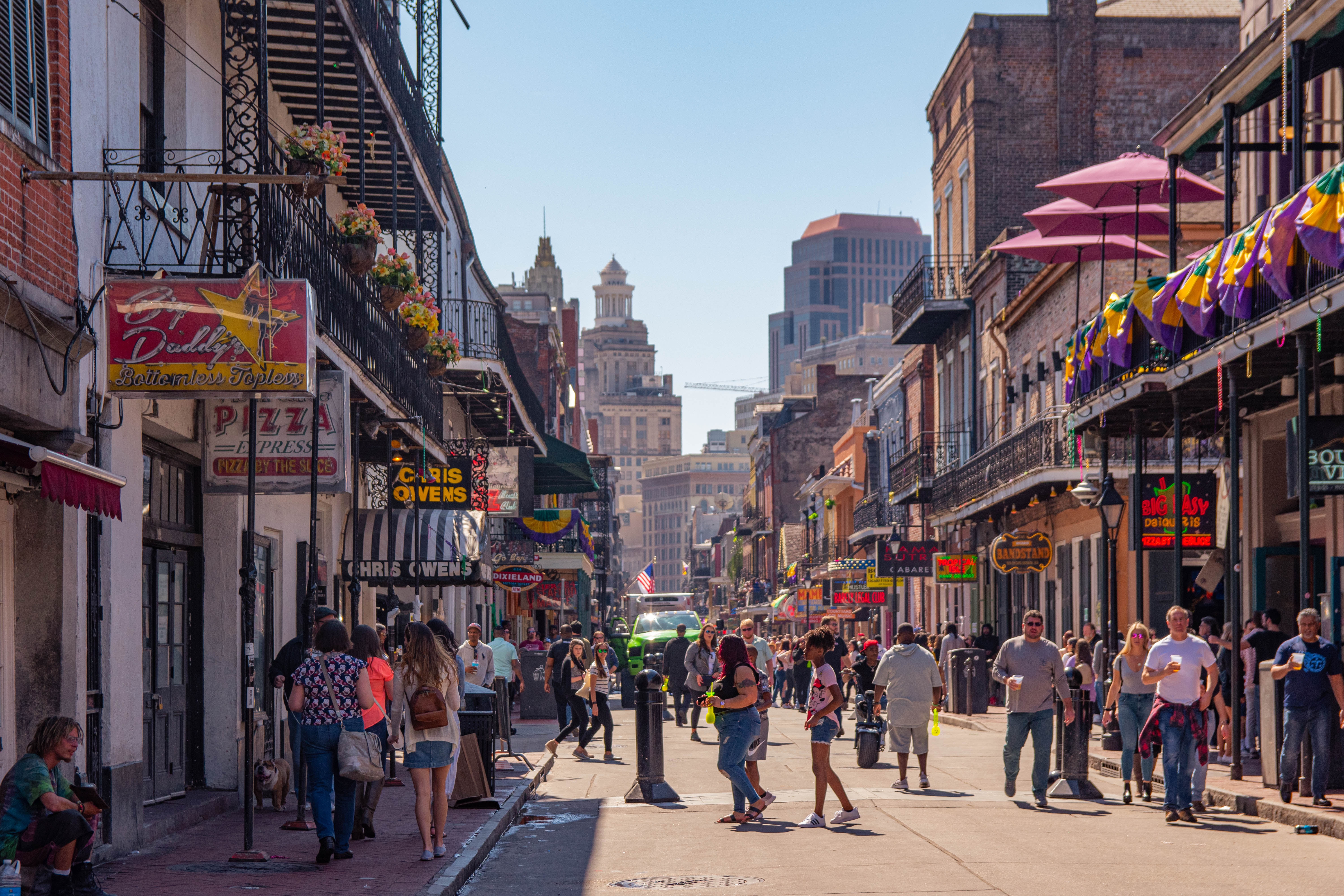
When planning your visit, keep in mind the geographical layout. The city is best experienced on foot or via the iconic St. Charles Streetcar Line. During high-traffic times, such as Mardi Gras, public transportation routes may be altered, and vehicle traffic is severely restricted. During the shoulder and off-peak seasons, however, the streetcars provide a nostalgic and efficient way to travel from the Warehouse District up to the grand mansions of the Uptown area.
Ultimately, there is no “wrong” time to visit New Orleans, provided you arrive with the right expectations. The city is a living, breathing entity that changes its costume and its tune with the seasons. Whether you are seeking the roaring excitement of a street parade or the quiet, moody beauty of a humid summer evening near the Bayou St. John, New Orleans will reward you with an experience that is consistently authentic, deeply historical, and endlessly captivating. By aligning your personal interests with the seasonal rhythms of the city, you can ensure that your stay is not just a vacation, but a meaningful encounter with one of the most culturally significant cities in the United States.
LifeOutOfTheBox is a participant in the Amazon Services LLC Associates Program, an affiliate advertising program designed to provide a means for sites to earn advertising fees by advertising and linking to Amazon.com. Amazon, the Amazon logo, AmazonSupply, and the AmazonSupply logo are trademarks of Amazon.com, Inc. or its affiliates. As an Amazon Associate we earn affiliate commissions from qualifying purchases.