
The French Quarter, also known as the Vieux Carré, serves as the historic heart and the beating pulse of New Orleans. For first-time visitors and seasoned travelers alike, understanding the precise location and boundaries of this iconic neighborhood is the first step toward unlocking the magic of the Crescent City. Situated along a dramatic bend of the Mississippi River, the district acts as a living museum, preserving centuries of cultural evolution, architectural brilliance, and the inimitable spirit of Louisiana.
Geographical Boundaries and Layout
To locate the French Quarter, one must look toward the downtown area of New Orleans, specifically nestled between Canal Street, Esplanade Avenue, the Mississippi River, and Rampart Street. This roughly square-shaped neighborhood spans approximately 70 blocks.
The Historic Grid
The layout of the quarter predates the expansion of the American sector of the city. Originally designed in 1718 by Jean-Baptiste Le Moyne de Bienville, the streets were laid out in a precise grid pattern. Unlike the sprawling urban designs of modern cities, the French Quarter retains a compact, pedestrian-friendly nature that invites exploration by foot. Navigating its streets—such as Bourbon Street, Royal Street, and Chartres Street—reveals a labyrinth of narrow alleys and hidden courtyards that define its intimate atmosphere.
Proximity to Major Landmarks
When you arrive in New Orleans, you will find the French Quarter bordered to the southwest by the Central Business District. If you are standing at Canal Street, you are effectively at the “gateway” to the district. Beyond the eastern edge lies the historic Faubourg Marigny, a neighborhood known for its vibrant nightlife and colorful creole cottages, which serves as a natural extension of the quarter’s bohemian energy.
Architectural Significance and Atmosphere
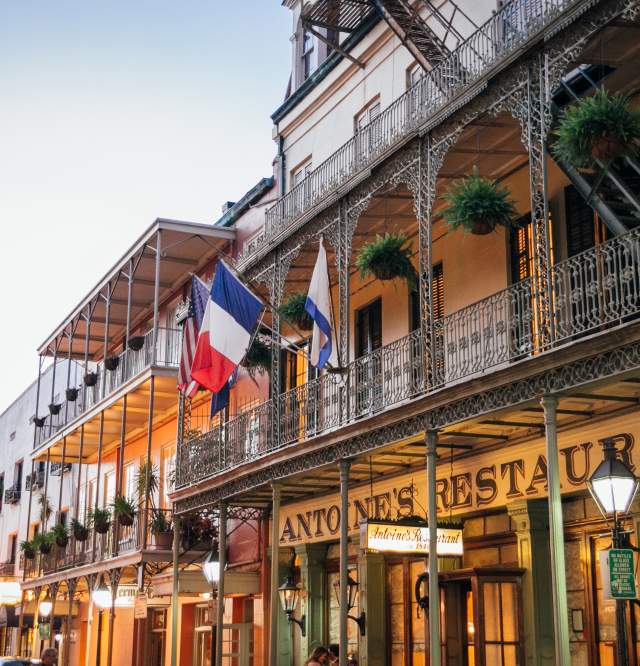
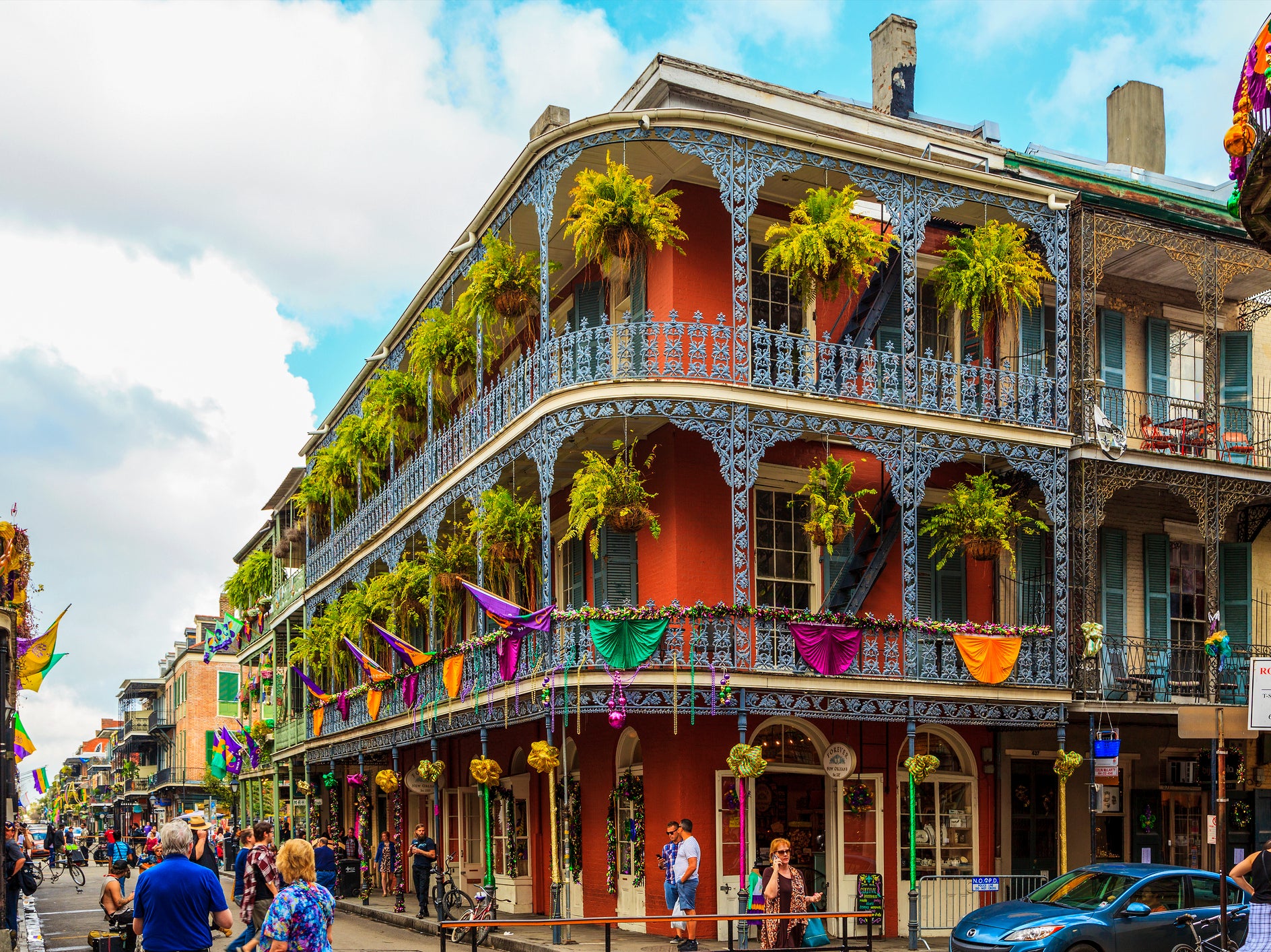
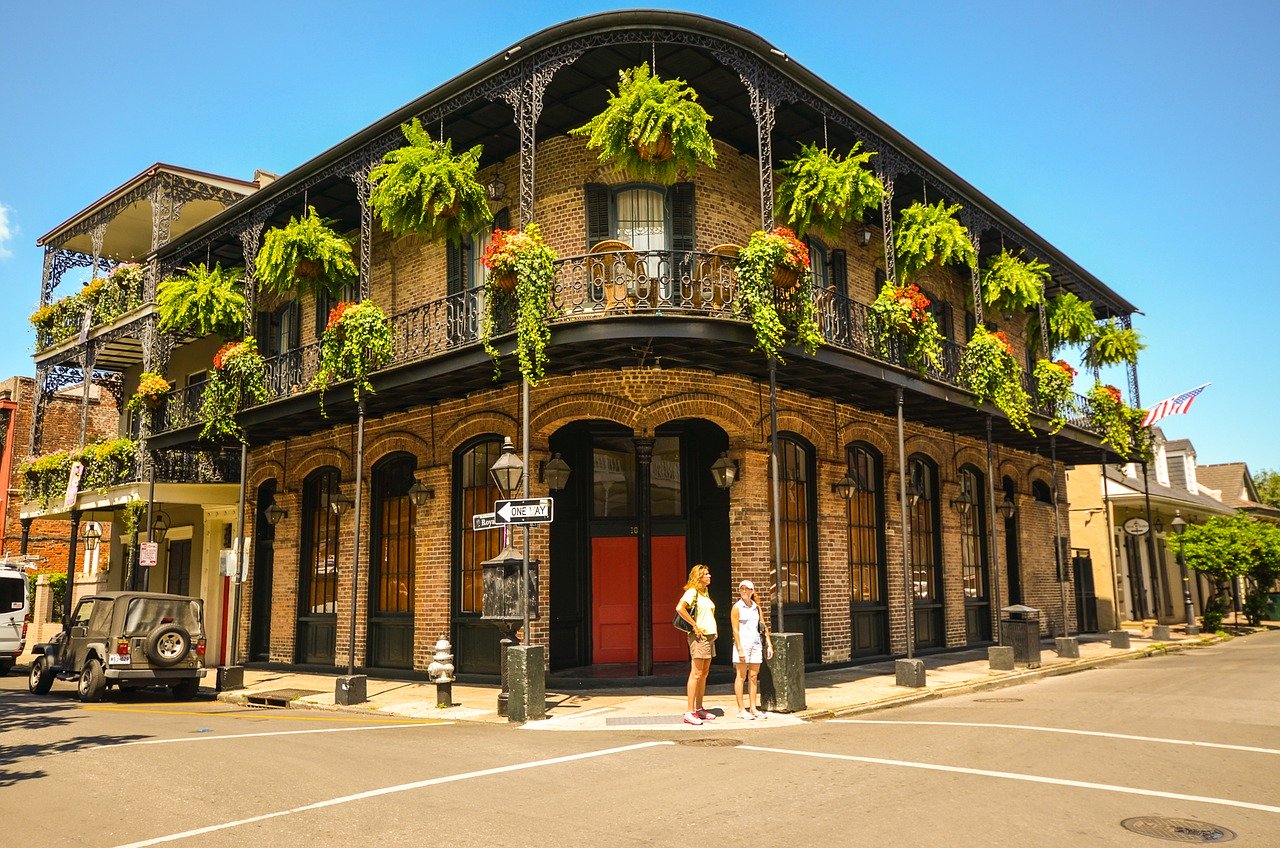
The architecture of the French Quarter is perhaps the most defining feature of its location. Despite its name, most of the buildings you see today were constructed during the period of Spanish rule following the fires of 1788 and 1794. This distinct “Creole” style features a marriage of French and Spanish influences, characterized by intricate wrought-iron balconies, private courtyards, and vibrant pastel-colored stucco facades.
The Heart of the District: Jackson Square
At the center of the French Quarter lies Jackson Square. This historic park, formerly known as the Place d’Armes, serves as a central anchor for the entire city. Flanked by the St. Louis Cathedral, the Cabildo, and the Presbytere, Jackson Square is where the soul of Louisiana is most palpable. Artists, street performers, and fortune tellers congregate here, maintaining a centuries-old tradition of public gathering that defines the local lifestyle.
Hidden Courtyards
The true character of the district is often tucked away behind heavy wooden doors. These hidden courtyards, once designed to provide relief from the sweltering heat of the Gulf Coast, offer a quiet sanctuary from the noise of the streets. Exploring these spaces allows visitors to see the intersection of history and modern life, where private residences exist in harmony with boutique shops and fine dining establishments.
Navigating the French Quarter: Tips for Visitors
Understanding the scale of the French Quarter is essential for anyone planning a trip. While it may seem small, the density of cultural landmarks, shops, and eateries means that one can easily spend days exploring just a handful of blocks.
The Best Way to Get Around
Because the streets are narrow and often congested with pedestrians, walking is the primary and most rewarding mode of transportation. Parking within the district is notoriously difficult and expensive, making it highly advisable to rely on public transit or rideshare services to reach the neighborhood perimeter. Once inside, the St. Charles Streetcar Line—the oldest continuously operating streetcar line in the world—provides a scenic and convenient way to connect the French Quarter with the nearby Garden District.
Daytime vs. Nighttime Character
The identity of the French Quarter shifts dramatically with the rising and setting of the sun. During the day, the neighborhood is a hub for antique hunters and history buffs wandering Royal Street or sampling beignets at the world-famous Cafe Du Monde. As evening approaches, the energy shifts toward Bourbon Street, where the neon lights and music-filled bars take center stage. For those seeking a more authentic, jazz-focused experience, the side streets leading toward Frenchmen Street offer a more sophisticated look at the city’s musical roots.
Preservation and Cultural Heritage
The survival of the French Quarter as a historic landmark is not an accident. Throughout the 20th century, concerted efforts by local organizations and residents prevented the modernization of the area, ensuring that its colonial and antebellum charm remained intact. Today, the Vieux Carre Commission strictly monitors renovations and new construction to preserve the integrity of the neighborhood.
A Living Neighborhood
It is a common misconception that the French Quarter is purely a tourist destination. In reality, it is a functioning neighborhood with a permanent residential population. From the early morning sounds of street sweepers and delivery trucks to the late-night rhythms of brass bands, the area is a microcosm of New Orleans life. Respecting the residential nature of the district is a hallmark of a thoughtful visitor.
Celebrating Traditions
Whether you are visiting during Mardi Gras or visiting during the quiet humidity of a summer weekday, the location remains the same: a distinct, protected, and historic enclave that stands apart from the rest of North America. By identifying its boundaries and understanding its history, you move beyond the surface-level tourism and begin to appreciate the French Quarter for what it truly is—the enduring, irrepressible heart of the United States.
LifeOutOfTheBox is a participant in the Amazon Services LLC Associates Program, an affiliate advertising program designed to provide a means for sites to earn advertising fees by advertising and linking to Amazon.com. Amazon, the Amazon logo, AmazonSupply, and the AmazonSupply logo are trademarks of Amazon.com, Inc. or its affiliates. As an Amazon Associate we earn affiliate commissions from qualifying purchases.