
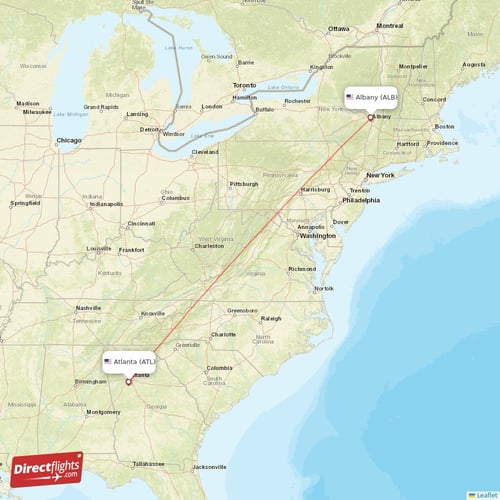
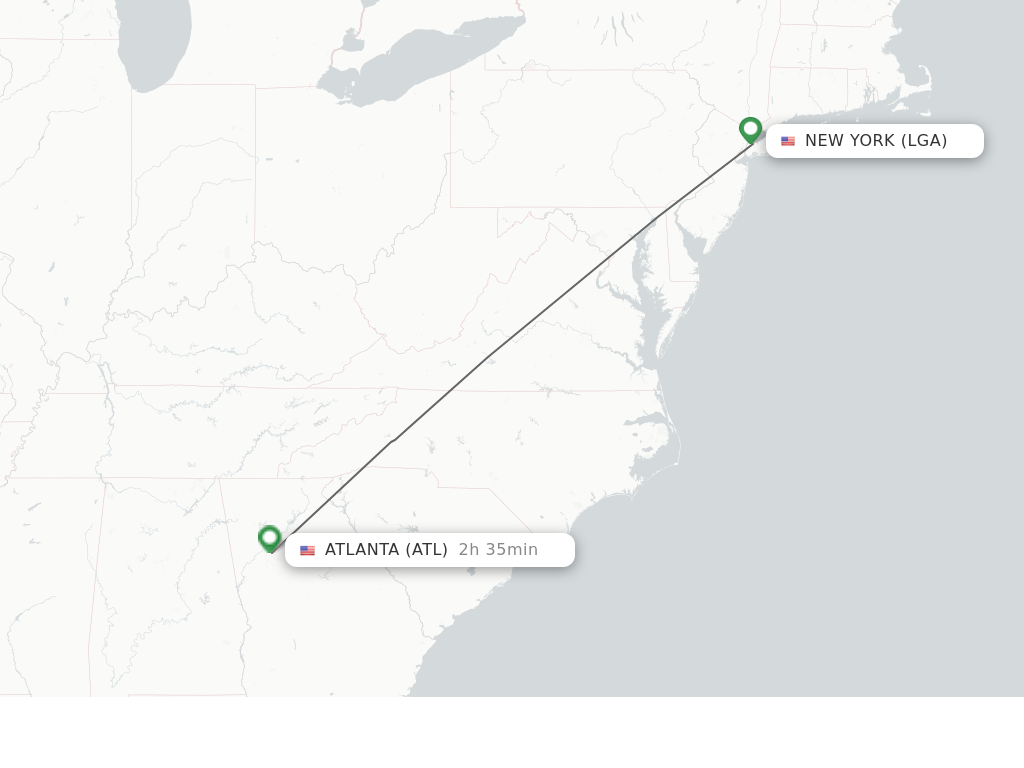
Bridging the gap between the concrete canyons of the Northeast and the sprawling charm of the American South is a journey many travelers undertake each year. Whether you are seeking the frenetic energy of the Big Apple or the historic, tree-lined streets of Georgia, understanding the distance and the logistical realities of transit is the first step toward a seamless adventure. Geographically, the two cities are separated by roughly 850 miles, or approximately 1,370 kilometers, as the crow flies. However, the reality of travel—whether by road, rail, or air—offers a diverse range of experiences that define the character of these two iconic urban hubs.
Navigating the Road: The Interstate Experience
For those who find beauty in the journey rather than just the destination, driving offers a window into the changing landscapes of the United States. The trek between New York City and Atlanta is a classic American road trip, primarily utilizing the Interstate 95 and Interstate 85 corridors.
Driving Duration and Logistics
Under optimal conditions, the drive spans roughly 13 to 15 hours of pure road time. However, this calculation assumes minimal stops and avoids the notorious congestion surrounding major metropolises like Washington D.C., Richmond, and Charlotte. Travelers planning this route should realistically account for a two-day trip to ensure safety and to allow for meaningful exploration of the towns along the way.
Scenic Stops and Regional Highlights
The route takes you through the heart of the Mid-Atlantic and into the South Atlantic states. Stopping in historic cities such as Philadelphia or Baltimore offers a glimpse into early colonial history, while the Carolinas provide a shift in climate and culture. Utilizing the highway system allows for flexibility, enabling travelers to deviate from the path to visit state parks or coastal towns that are inaccessible by other modes of transport.
Skies and Rails: Speed and Efficiency
For the business traveler or the weekend adventurer, the speed of air travel or the reliability of rail remains the preferred method of transit. The distance between the two cities is effectively “shortened” significantly when opting for a high-altitude flight.
Commercial Aviation
Direct flights from John F. Kennedy International Airport, LaGuardia Airport, or Newark Liberty International Airport to Hartsfield-Jackson Atlanta International Airport typically take about two to two and a half hours in the air. When factoring in transit to the airport, security screenings, and boarding, the total travel time usually hovers around five to six hours. This efficiency makes the two cities highly connected, supporting a constant flow of commerce and tourism between the Empire State and Georgia.
The Amtrak Experience
For those who prefer a more relaxed pace, Amtrak offers routes that connect the Northeast Corridor to the South. While there is no direct, high-speed rail line that bypasses the need for transfers, taking the train allows travelers to bypass the stresses of highway traffic and airport security. The journey through the Appalachian foothills is visually stunning, particularly during the autumn months when the foliage turns into a vibrant palette of color.
Comparing the Cultural Landscapes
The distance between these two cities is not merely numerical; it is a shift in rhythm and atmosphere. Exploring the distinct personality of each location helps travelers prepare for the cultural transition involved in making the trip.
The Rhythm of the North
New York City is defined by its verticality, its fast-paced “city that never sleeps” persona, and its immense density. From the world-class museums of the Upper East Side to the theatrical epicenter of Broadway, the city demands constant engagement. Travel within the city is dominated by the New York City Subway, emphasizing a lifestyle where personal space is secondary to convenience and accessibility.
The Hospitality of the South
In contrast, Atlanta reflects the hospitality and space typical of the Southern United States. Known as the “City in a Forest,” Atlanta prides itself on its canopy of trees, its rich history of civil rights leadership, and its expanding culinary scene. While it is a major metropolitan area, the pace of life feels distinct, prioritizing communal dining and a car-centric infrastructure that allows for a different style of urban exploration.
Practical Tips for Your Journey
Whether you are traveling for a vacation or a relocation, bridging the 850-mile gap requires preparation. Here are some essential considerations for your trip:
Optimal Travel Seasons
The best time to travel between these two hubs is during the shoulder seasons—spring and fall. The Mid-Atlantic heat can be stifling in the summer, and New York City winters can bring heavy snow, potentially disrupting travel plans. Traveling in May or October offers mild temperatures across the entire route, making both driving and walking through city centers much more enjoyable.
Packing for Two Climates
If you are traveling in the winter, be prepared for a significant change in wardrobe. You may leave New York City in a heavy winter coat, only to arrive in Atlanta where temperatures are substantially milder. Layering is the most effective way to navigate the shift in climate as you move south. Always check local weather reports for the key cities along your route to ensure that your driving conditions—or flight paths—remain clear.

Connecting Cities and Hidden Gems
If you have the luxury of time during a road trip, do not rush through the Mid-Atlantic. Consider a stop in Washington D.C. to visit the Smithsonian Institution or spend a day in Savannah if you are willing to extend your drive into the lower parts of Georgia. The beauty of this route lies in the ability to stitch together different segments of American history and culture, turning a simple commute into a comprehensive travel experience.
Understanding the distance between New York City and Atlanta is more than just looking at a map; it is about choosing the experience that best fits your needs. Whether you prioritize the speed of a jet, the scenery of the interstate, or the steady motion of the rail, the link between the Northeast and the South remains one of the most vibrant and traveled corridors in the United States. Plan your route, pack your bags, and prepare for a journey that highlights the incredible diversity of the American landscape.
LifeOutOfTheBox is a participant in the Amazon Services LLC Associates Program, an affiliate advertising program designed to provide a means for sites to earn advertising fees by advertising and linking to Amazon.com. Amazon, the Amazon logo, AmazonSupply, and the AmazonSupply logo are trademarks of Amazon.com, Inc. or its affiliates. As an Amazon Associate we earn affiliate commissions from qualifying purchases.