
For travelers planning a journey to the bustling metropolis of New York, the question of whether flights will be packed is a common point of anxiety. As one of the world’s most significant financial, cultural, and tourism hubs, the city serves as a primary gateway for international and domestic air travel. Understanding the dynamics of load factors—the aviation term for how full a flight is—can help passengers manage their expectations and travel strategies more effectively.
The Factors Influencing Flight Occupancy to New York
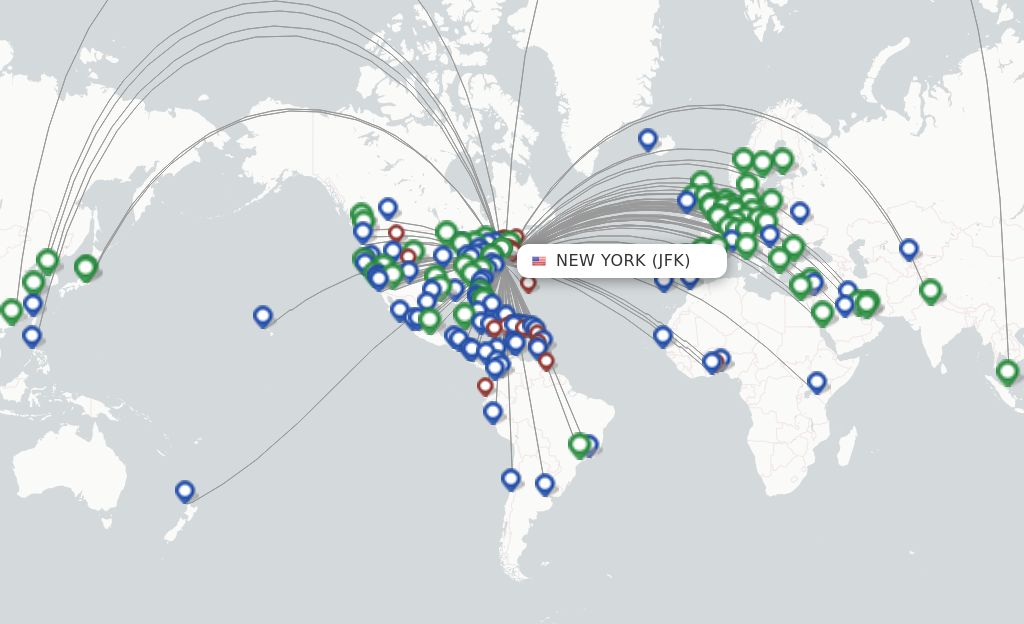
Several variables dictate whether your flight into John F. Kennedy International Airport, LaGuardia Airport, or Newark Liberty International Airport will be at capacity. Airlines utilize sophisticated revenue management systems that adjust seat availability based on historical demand, seasonality, and competitive pricing.
Seasonality and Peak Travel Periods
New York is a year-round destination, but specific times of the year see a dramatic spike in passenger volume. During the summer months and the winter holiday season—particularly from late November through New Year’s Eve—flights are almost universally full. Business travelers also drive occupancy rates during the work week, especially during high-profile events like the United Nations General Assembly. If you are flying during these windows, expect a crowded cabin.
The Impact of Business Hubs
Because New York serves as a global business capital, a significant portion of incoming traffic consists of corporate travelers. These passengers often book flights on major legacy carriers, which are frequently booked to capacity on prime routes from global hubs like London, Tokyo, or Dubai. Unlike leisure travelers who might shift their dates for a cheaper fare, business travelers often prioritize frequency and schedule, contributing to consistent high load factors on specific morning and evening departures.
Strategies for Managing Your Travel Experience
If the prospect of a full flight is daunting, there are actionable steps travelers can take to increase their comfort levels and potentially predict the likelihood of an empty middle seat.
Utilizing Off-Peak Scheduling
One of the most effective ways to avoid a packed plane is to be strategic about your departure time and day. Flights departing on Tuesday and Wednesday are statistically less likely to be full compared to those on Friday or Sunday. Furthermore, selecting the “red-eye” or early morning flights—often departing at unconventional hours—can sometimes result in a lighter passenger load, as many travelers prefer flights that arrive in the city during business hours.
Leveraging Loyalty Programs and Seating Selection
If you are flying on a major carrier, your status within their loyalty program can be a significant asset. Not only does it provide better opportunities for upgrades to First Class or Business Class, but it also allows for earlier access to seat selection. Even if the flight is full, securing a seat with extra legroom or one located in a less crowded section of the plane can make a substantial difference in your comfort.

- Monitor Seat Maps: While not a definitive indicator, keeping an eye on the seat map on the airline’s app in the 24 hours leading up to departure can provide a glimpse into the remaining inventory.
- Check Different Airports: If you are flexible with your arrival, compare prices and flight loads across the three major regional airports. Sometimes, a flight to Newark may be significantly emptier than a flight to JFK.
What to Expect Upon Arrival in New York
Once you touch down, the experience of being on a full flight often transitions into the reality of a busy city. New York is a place that thrives on high-density living and movement. Whether you are navigating the intricate corridors of Grand Central Terminal or walking through the vibrant streets of Times Square, the transition from a full cabin to a full city is seamless.
Preparing for the Arrival Process
A full flight inevitably leads to longer queues at customs for international arrivals and a slower deplaning process. If you have tight connections or a pressing schedule in the city, consider the following:
- Expedited Entry Programs: Programs like Global Entry significantly reduce wait times upon returning to the United States.
- Light Luggage: If possible, stick to carry-on luggage. Being the first off the plane and heading straight for ground transportation can save you an hour or more of waiting time.
- Ground Transportation Planning: Since full flights mean hundreds of people arriving simultaneously, taxis and rideshare services at New York City airports can become heavily saturated. Pre-booking a private car or researching express trains like the AirTrain can help you bypass the post-flight chaos.
The Future of Air Travel to New York
The aviation industry is constantly evolving to handle the immense pressure of traffic into New York. Airlines are increasingly utilizing larger, more fuel-efficient aircraft—such as the Airbus A350 or the Boeing 787 Dreamliner—to accommodate the high volume of passengers while providing a better in-flight experience.
Advancements in Cabin Comfort
Even on full flights, the modern passenger experience has improved. Better seat design, individual entertainment systems, and enhanced onboard connectivity mean that even in a fully booked cabin, your personal space remains relatively protected. Airlines recognize that the flight to New York is often the first part of a vacation or a critical business trip, and they are investing heavily in cabin interiors that alleviate the feeling of confinement, regardless of how many seats are occupied.

Data-Driven Flying
In the coming years, expect to see even more sophisticated technology aimed at optimizing seat distribution. Airlines are already experimenting with dynamic pricing models that encourage passengers to shift to less popular flights, effectively spreading the load across the entire daily schedule. For the traveler, this means that while flights to New York remain in high demand, the infrastructure is continuously improving to ensure that the journey is as efficient as the destination itself.
Whether you find yourself in a middle seat on a completely full flight or lucky enough to have a row to yourself, remember that the experience of landing in New York is worth the journey. By understanding the rhythms of travel, choosing your flight times wisely, and preparing for the logistics of arrival, you can ensure that your visit begins on the right note, regardless of your cabin’s load factor. From the moment you see the Statue of Liberty from the window to the time you step out into the high-energy atmosphere of the Big Apple, the focus should remain on the excitement of the trip ahead.
LifeOutOfTheBox is a participant in the Amazon Services LLC Associates Program, an affiliate advertising program designed to provide a means for sites to earn advertising fees by advertising and linking to Amazon.com. Amazon, the Amazon logo, AmazonSupply, and the AmazonSupply logo are trademarks of Amazon.com, Inc. or its affiliates. As an Amazon Associate we earn affiliate commissions from qualifying purchases.