
When travelers dream of sun-drenched beaches, swaying palm trees, and crystalline waters, Hawaii is often the first destination that comes to mind. It represents the quintessential tropical paradise. However, beyond the postcards and the allure of surf-culture, there is often a geographical curiosity regarding the formal definition of its climate and location. To understand the archipelago’s true nature, one must delve into the intersection of latitude, oceanography, and atmospheric science.
The Geographical Reality of the Tropics
The Earth is divided into specific climatic zones based on latitude, the most famous of which is the “Tropics.” Defined as the region surrounding the Equator, the tropics are bounded by the Tropic of Cancer in the north and the Tropic of Capricorn in the south. These lines, situated at approximately 23.5 degrees north and south latitude, mark the points where the sun can appear directly overhead.
Latitude and the Hawaiian Islands
The Hawaiian archipelago stretches across the Pacific Ocean, roughly between 19 degrees and 22 degrees north latitude. Because the entirety of the island chain falls south of the Tropic of Cancer, Hawaii is, by definition, located within the tropics. This positioning is the fundamental reason behind the state’s consistent warmth and the lush, vibrant ecosystems that define its landscape.
Defining Tropical Climate
Being within the tropics does not mean a region is always sweltering or humid. A true tropical climate is characterized by high average temperatures throughout the year—typically above 64 degrees Fahrenheit—and little to no frost. While Hawaii experiences these general conditions, its isolation in the middle of the Pacific Ocean creates a unique maritime influence. The surrounding ocean currents act as a thermal regulator, preventing the islands from experiencing the extreme temperature swings found on large continental landmasses at similar latitudes.
The Influence of Topography on Hawaiian Weather
While the archipelago is firmly rooted in the tropics, the perception of its weather is often complicated by its dramatic topography. One can stand on a sun-baked beach in Waikiki in the morning and be surrounded by cool, misty forests in the Koolau Range by the afternoon. This diversity is a direct result of how tropical trade winds interact with the islands’ volcanic geology.
The Orographic Effect
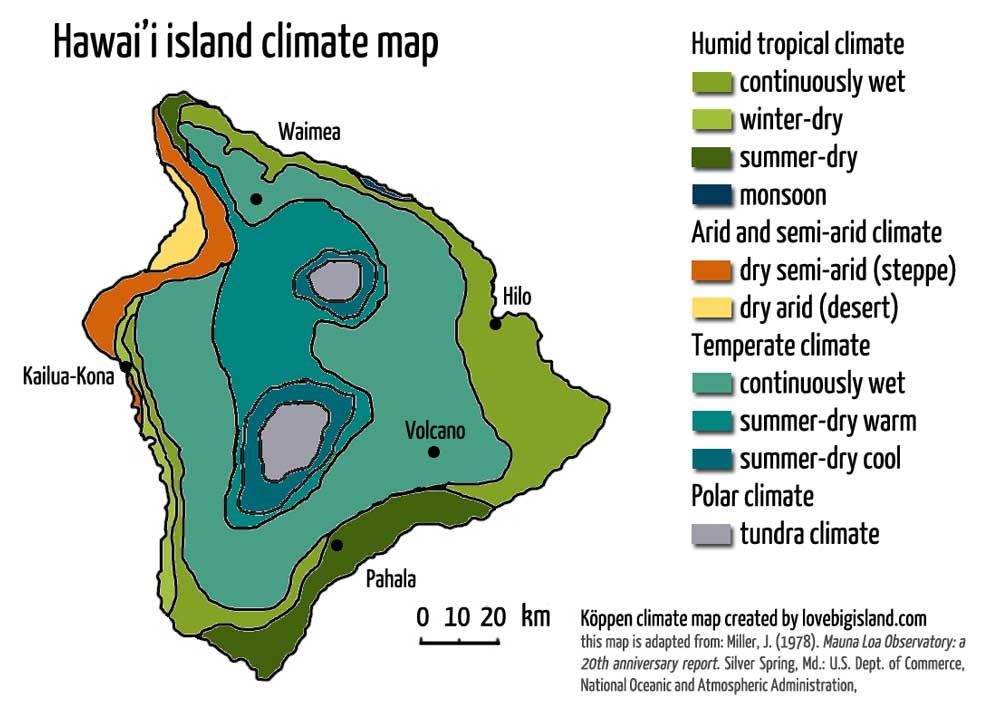
The trade winds blow consistently from the northeast, carrying moisture-laden air across the Pacific. When these winds encounter the high volcanic peaks of islands like Kauai, Maui, or The Big Island, the air is forced upward. As it rises, the air cools and condenses, resulting in frequent rainfall on the windward sides of the islands. This is why places like Hana on Maui are famous for their verdant, rainforest-like appearance, while the leeward sides, such as Kona, remain significantly drier and sunnier.
Microclimates and Elevation
The diversity of the Hawaiian climate is best showcased by the sheer variance in elevation. At sea level, travelers enjoy the classic tropical warmth. However, as you climb toward the summit of Mauna Kea or Haleakala, temperatures drop significantly. In fact, it is not uncommon to see snow at the highest peaks of Hawaii during the winter months. This alpine tundra environment is a startling contrast to the tropical beaches located only a few dozen miles away, demonstrating how elevation can override the baseline tropical climate.
Biological Significance of a Tropical Location
The fact that Hawaii is located in the tropics has profound implications for its biodiversity. Because the islands are the most isolated landmass on the planet, they serve as a living laboratory for evolution. Tropical conditions allow for year-round plant growth, which has facilitated the development of an incredible number of endemic species.
Flora and Fauna
In the lush valleys of the Waimea Canyon, one can find flora that exists nowhere else on Earth. The lack of seasonal dormancy—the process where plants “sleep” during winter—means that flowers bloom and forests grow throughout the year. This constant biological activity supports complex food webs, from the colorful native birds found in the Haleakala National Park to the diverse marine life thriving in the Hanauma Bay Nature Preserve.
Marine Ecosystems
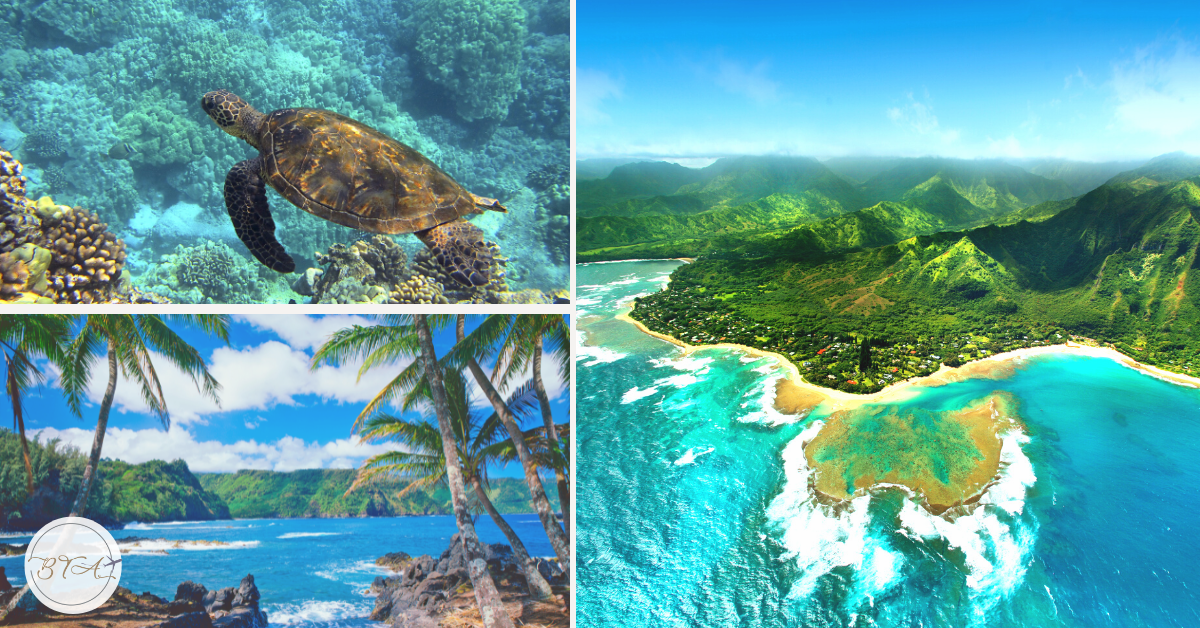
The tropical waters surrounding the islands are home to coral reefs that require specific thermal conditions to survive. These reefs provide critical habitats for sea turtles, manta rays, and an array of tropical fish. The sustained warmth of the Pacific currents ensures that these ecosystems remain productive, cementing the islands’ status as a premier global destination for snorkeling, diving, and marine research.
Embracing the Tropical Experience
Understanding the geography of Hawaii enhances the travel experience by allowing visitors to better appreciate the nuances of the environment. Whether you are trekking through the Hawaii Volcanoes National Park or relaxing on the golden sands of Oahu, you are participating in a tropical system that is as diverse as it is beautiful.
Navigating the Seasons
While Hawaii is tropical, it does experience two distinct seasons: kau (summer) and hooilo (winter). During the summer months, the sun is stronger, and the days are longer, making it the perfect time to explore the beaches of Molokai or the rugged cliffs of Lanai. The winter months bring more precipitation and larger swells, which draw professional surfers to the legendary North Shore.

Traveling Sustainably
Because the delicate ecosystems of these islands are so sensitive to their tropical environment, visitors play a crucial role in their preservation. Respecting local guidelines when visiting landmarks like Diamond Head or Pearl Harbor ensures that the natural beauty remains intact for generations. Being aware that you are visiting a fragile, isolated, and vibrant tropical chain helps foster a deeper, more meaningful connection with the islands.
Ultimately, Hawaii is indisputably in the tropics, but its charm lies in how it transcends that simple label. With its varying elevations, unique microclimates, and unmatched biodiversity, it offers a tropical experience that is layered, complex, and endlessly fascinating. From the bustling streets of Honolulu to the quiet, spiritual trails of the Na Pali Coast, the islands remain the jewel of the Pacific, perfectly positioned to provide a sanctuary of sun, sea, and tropical splendor.
LifeOutOfTheBox is a participant in the Amazon Services LLC Associates Program, an affiliate advertising program designed to provide a means for sites to earn advertising fees by advertising and linking to Amazon.com. Amazon, the Amazon logo, AmazonSupply, and the AmazonSupply logo are trademarks of Amazon.com, Inc. or its affiliates. As an Amazon Associate we earn affiliate commissions from qualifying purchases.