
Navigating the winter landscape of the United States requires more than just a sturdy vehicle and a reliable GPS; it demands a thorough understanding of regional road safety regulations. For travelers planning a winter expedition through New York, the question of tire traction—specifically the legality and necessity of tire chains—often arises. While the state is famous for its iconic metropolitan hubs like New York City and the rugged wilderness of the Adirondack Mountains, the rules governing vehicular safety equipment are surprisingly nuanced.
The Legal Standing of Tire Chains in New York State
Understanding the legal framework is essential for any driver traversing the Empire State during the snowy months. In New York, tire chains are generally permitted, but they are subject to specific conditions that dictate when and how they can be used. Unlike some western states that mandate chains during severe mountain pass storms, New York law focuses primarily on preventing damage to the road surface.
Statutory Provisions and Vehicle Codes
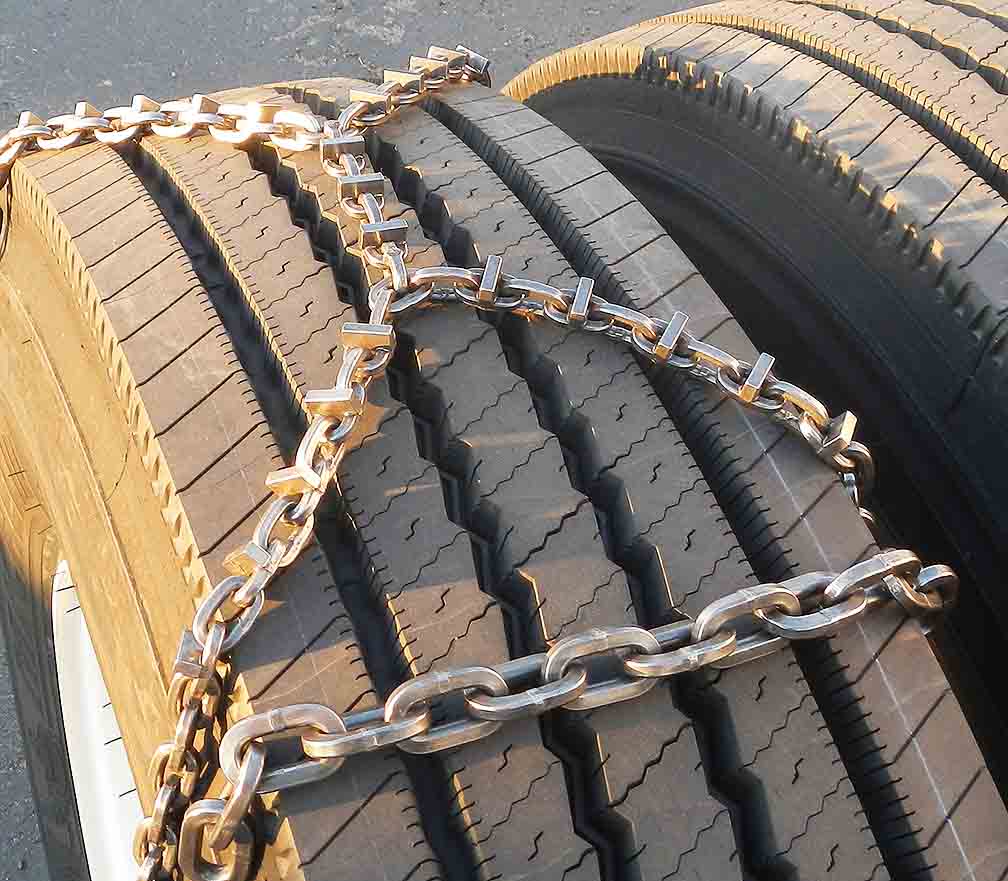
According to the New York State Department of Transportation, tire chains may be used on public highways when required for safety due to snow, ice, or other conditions tending to cause a vehicle to skid. However, the state prohibits the use of chains or studded tires if they cause damage to the road pavement. This is a critical distinction for travelers. While you are legally allowed to mount chains when conditions are truly treacherous, you are expected to remove them as soon as you reach cleared pavement.
Enforcement and “Emergency Only” Contexts
Law enforcement officials in areas like the Catskill Mountains or the Finger Lakes region have the authority to pull over vehicles that are causing excessive damage to asphalt or concrete surfaces. If a police officer determines that the current road conditions do not warrant the use of chains—meaning the road is sufficiently clear of deep ice or snow—you may be subject to a fine. It is crucial to view tire chains as a tool of necessity rather than a permanent seasonal accessory.
When Should You Consider Using Traction Devices?
While the legal status allows for their use, the practical application of tire chains is a different matter. Driving in New York State during a blizzard is significantly different from navigating the slushy streets of Buffalo.
Evaluating Road Conditions
If you are planning to travel through high-altitude corridors or remote rural routes, particularly near Lake Placid, your reliance on standard all-season tires might be insufficient. In these instances, tire chains provide an essential bite into packed snow. However, for the majority of travel on major interstates like the New York State Thruway, highway maintenance crews are incredibly efficient at salting and plowing, rendering chains unnecessary and even counterproductive.
The Alternatives to Traditional Chains
For most winter travelers, modern technology offers superior alternatives. Many rental car agencies and automotive experts recommend:
- Winter Tires (Snow Tires): These are specifically engineered with deeper treads and rubber compounds that remain flexible in freezing temperatures. They provide excellent traction without the risk of damaging road infrastructure.
- Tire Socks: A fabric-based traction device that is easier to install than traditional steel chains. These are often accepted as a compliant alternative in regions where traction is mandated.
- Studless Ice Tires: These provide high-performance grip on black ice, which is the most common hazard faced by drivers in Upstate New York.

Best Practices for Winter Driving in New York
Regardless of whether you choose to carry chains, the New York winter environment demands a proactive approach to vehicle preparation and road safety.
Essential Winter Preparation
Before embarking on a journey to destinations like Saratoga Springs or Ithaca, ensure your vehicle is equipped for the climate. This includes verifying that your battery is strong, your windshield wipers are rated for snow, and your fluid levels—especially the de-icer windshield washer fluid—are topped off.
Furthermore, carrying a winter emergency kit is a non-negotiable aspect of responsible travel. This kit should include:
- A collapsible shovel.
- A bag of sand or kitty litter for traction if you get stuck.
- Thermal blankets and extra warm clothing.
- A portable battery jumper pack.
- A flashlight with extra batteries.
Driving Techniques for Snowy Terrains
Driving in the Northeast requires a shift in mindset. When the snow starts falling, increasing your following distance is the single most important action you can take. Sudden maneuvers—such as slamming on the brakes or accelerating quickly out of an intersection—are the primary causes of winter accidents. If you find yourself driving on a snowy road, keep your movements fluid and deliberate. Should you feel the vehicle beginning to slide, ease off the accelerator and steer gently into the direction of the skid.
Navigating Through Winter Destinations Safely
If your travel itinerary includes visiting historic sites or natural landmarks, your route may take you through varied terrain. Navigating from the dense urban environment of Manhattan to the serene landscapes of the Thousand Islands can involve drastic changes in micro-climates.
Monitoring Weather Alerts
Before any long-distance travel, consult the official weather forecasts and state travel advisories. The New York State 511 system is an invaluable resource for real-time information regarding road closures, accidents, and plowing status. By checking this before you depart, you can make informed decisions about your route and timing.
Knowing Your Limits
Even the most seasoned drivers can find themselves overwhelmed by the whiteout conditions that sometimes hit the Hudson Valley. If the weather becomes too severe, the safest decision is to postpone your trip or seek refuge in a nearby town until the storm passes. There is no destination worth risking your safety or the safety of others on the road.

Conclusion on Legal Traction
To summarize, while tire chains are not explicitly banned in New York, they are restricted by their potential to damage infrastructure. They should be viewed as a last-resort safety tool for emergency situations rather than a standard driving accessory. By equipping your vehicle with high-quality winter tires and practicing mindful, defensive driving techniques, you can enjoy the stunning beauty of the New York landscape safely throughout the entire winter season. Always prioritize road conditions and local regulations over convenience, ensuring that your winter travels remain memorable for the right reasons.
LifeOutOfTheBox is a participant in the Amazon Services LLC Associates Program, an affiliate advertising program designed to provide a means for sites to earn advertising fees by advertising and linking to Amazon.com. Amazon, the Amazon logo, AmazonSupply, and the AmazonSupply logo are trademarks of Amazon.com, Inc. or its affiliates. As an Amazon Associate we earn affiliate commissions from qualifying purchases.