
For travelers seeking a reprieve from the mid-winter doldrums, the allure of the Pacific is undeniable. As the Northern Hemisphere grapples with freezing temperatures and gray skies, the archipelago of Hawaii offers a lush, vibrant alternative. February marks a fascinating intersection in the state’s seasonal rhythm, balancing peak whale-watching opportunities with the occasional tropical shower. Understanding the nuances of this month is essential for planning a trip that aligns with your expectations for weather, crowd density, and island-specific experiences.
The Seasonal Climate and Ocean Conditions
February falls within the latter half of the wet season in Hawaii. While visitors should certainly expect some rainfall, it is rarely the persistent, gloomy drizzle known to mainland winters. Instead, travelers encounter short, refreshing tropical showers that often pass as quickly as they arrive, leaving the islands’ flora even more verdant and fragrant.

Understanding Rainfall Patterns
The precipitation in February is heavily influenced by the trade winds and the dramatic topography of the islands. The windward sides—such as the eastern coast of Oahu or the Hilo side of the Big Island—experience significantly more rainfall than the leeward sides, where popular resort areas like Waikiki or Kailua-Kona remain relatively dry. If sunshine is your primary priority, focusing your itinerary on the western or southern shores of any island will likely guarantee favorable beach days.
Winter Swells and Surf Culture
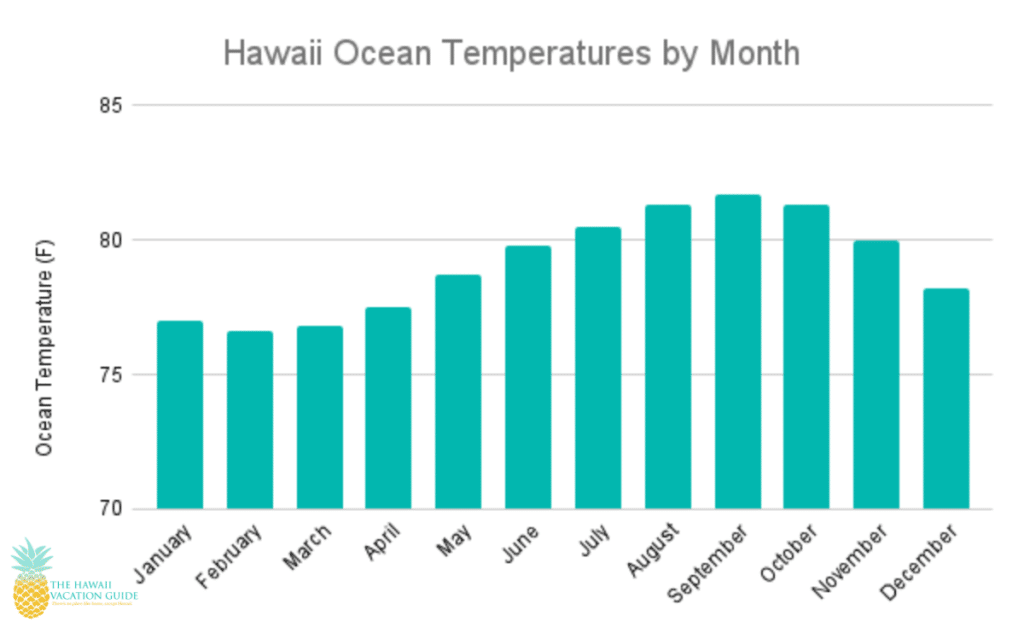
While the weather is generally mild—with temperatures hovering comfortably in the high 70s Fahrenheit—February is the height of the winter swell season. This makes the northern shores of the islands a spectacle for those who appreciate the raw power of the ocean. The legendary North Shore of Oahu becomes the epicenter of global surfing, where world-class athletes tackle massive, roaring waves. For the average visitor, these waters may be too dangerous for casual swimming, but they offer unparalleled opportunities for spectators to witness the majesty of the Pacific at iconic spots like Waimea Bay.
Peak Experiences: Whale Watching and Nature
If there is a single defining feature that makes February an elite time to visit, it is the presence of the North Pacific humpback whales. These magnificent creatures migrate from the frigid waters of Alaska to the warm, shallow channels of the Hawaiian islands to mate and give birth.

The Humpback Migration
February is arguably the best month to observe humpback whales, as the population density in the Hawaiian sanctuary reaches its apex. Whether you are viewing them from the shore—often visible from the cliffs of Poipu on Kauai—or taking a dedicated boat excursion from Lahaina on Maui, the sight of a breaching whale is a life-changing encounter. The auditory experience is equally profound; many snorkelers in the Molokini Crater report hearing the complex, haunting songs of male whales echoing through the water.
Tropical Flora and Hiking Trails
Because of the winter rains, the landscape in February is remarkably lush. This is the optimal time for exploring botanical gardens or embarking on scenic hikes. The Waimea Canyon on Kauai offers striking vistas where the red earth contrasts against the vibrant green of rain-fed vegetation. Similarly, a visit to Haleakala National Park on Maui provides a crisp, cool alternative to the beach, where you can watch the sunrise above a sea of clouds. The cooler temperatures at higher elevations in February make these strenuous treks much more manageable than during the humid summer months.
Managing Crowds and Costs
Traveling to Hawaii in February requires a strategic approach to scheduling, particularly regarding the timing of the school calendar and the President’s Day holiday weekend.
Navigating the February Calendar
Early to mid-February generally offers a “sweet spot” in terms of tourism volume. Following the conclusion of the winter holiday rush in January, visitor numbers tend to taper off, allowing for a more serene experience at popular landmarks such as Pearl Harbor National Memorial or the Polynesian Cultural Center. However, as President’s Day approaches, flight prices and accommodation demand see a noticeable spike. If your dates are flexible, aim for the first two weeks of the month to maximize value and minimize interactions with peak-season crowds.
Practical Tips for the Savvy Traveler
- Book Accommodations Early: Even during the quieter weeks of February, popular resorts like The Royal Hawaiian or the Four Seasons Resort Maui at Wailea maintain high occupancy due to their reputation and amenities. Secure your stay at least three to four months in advance.
- Pack Versatility: Given the microclimates of the islands, your packing list should be diverse. While shorts and sandals are standard for the beach, you will need a light rain shell for sudden showers and a heavier layer—such as a fleece or windbreaker—if you plan on visiting high-altitude regions like Mauna Kea.
- Embrace the Local Rhythm: February is a time when the islands feel slightly more “local.” With fewer tourists cluttering the small towns, you have better opportunities to engage with the community at farmers’ markets in Hilo or explore the charming, slow-paced streets of Hanalei.
Final Considerations for Your Trip
Deciding whether February is a “good” time depends entirely on what you seek from your vacation. If your goal is a guaranteed week of blistering sun and flat, mirror-like water for snorkeling, you might prefer the stable conditions of July or August. However, if you are looking for an immersive experience that blends cultural discovery, dramatic nature, and the once-in-a-lifetime opportunity to witness humpback whales in their natural habitat, February is arguably the most rewarding month of the year.
The islands of Hawaii are never truly “off-season,” but February offers a unique tempo that feels less like a manufactured tourist experience and more like a genuine window into the ecological heartbeat of the Pacific. By choosing the right side of the islands, packing for varied weather, and leaning into the natural events occurring throughout the month, you can craft a memorable, high-value escape that provides a much-needed breath of fresh, tropical air in the middle of winter. Whether you are wandering through the Na Pali Coast or enjoying a quiet moment on a secluded beach, the magic of the islands is as potent in February as it is at any other time of the year.
LifeOutOfTheBox is a participant in the Amazon Services LLC Associates Program, an affiliate advertising program designed to provide a means for sites to earn advertising fees by advertising and linking to Amazon.com. Amazon, the Amazon logo, AmazonSupply, and the AmazonSupply logo are trademarks of Amazon.com, Inc. or its affiliates. As an Amazon Associate we earn affiliate commissions from qualifying purchases.