
The transition from the neon-soaked energy of Las Vegas to the majestic, red-rock wilderness of Utah represents one of the most rewarding road trips in the United States. Travelers often underestimate the proximity of these two distinct worlds. While the drive can be as short as two hours to reach the state line, the true magic lies in understanding the distances to the iconic national parks that define the Beehive State. Whether you are looking for a quick weekend escape or a deep dive into geological wonders, planning your route is the essential first step to a successful adventure.
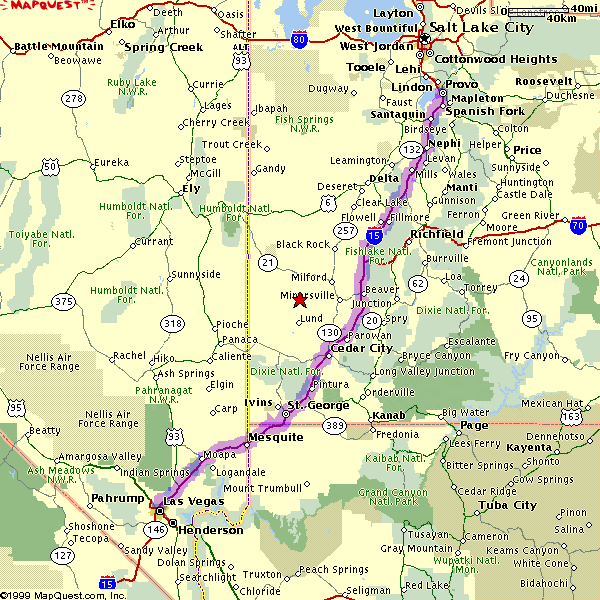
Understanding the Geography and Drive Times
When travelers ask how far it is from Las Vegas to Utah, the answer depends heavily on your specific destination. Because Utah is a large state with diverse topography, the travel time varies significantly between the southwestern corner and the northern reaches.
The Proximity to St. George
The most common gateway from Nevada into Utah is the city of St. George. Located in the extreme southwestern corner of the state, this city is a mere 120 miles from the Las Vegas Strip. Under normal traffic conditions, this drive takes approximately two hours. This short distance makes the region incredibly accessible for those wanting a change of pace from the city’s artificial glitz to the natural beauty of the Mojave Desert.
Reaching the National Parks
For most tourists, the destination is not just the state, but the spectacular “Mighty 5” national parks. The drive times to these locations from Las Vegas are as follows:
- Zion National Park: Approximately 160 miles, requiring about 2.5 to 3 hours of driving.
- Bryce Canyon National Park: About 260 miles, typically taking 4 to 4.5 hours.
- Capitol Reef National Park: Roughly 350 miles, which generally takes 5.5 to 6 hours.
- Arches National Park and Canyonlands National Park: Located near Moab, these are the most distant, sitting approximately 450 miles away, necessitating a 7 to 8-hour drive.
Optimal Routes and Scenic Highlights
Taking the direct route via Interstate 15 is the most efficient way to travel, but there are several scenic detours worth considering if time allows.
The Interstate 15 Corridor
The main arterial route from Las Vegas heads northeast on Interstate 15. This highway takes you through the Virgin River Gorge, an engineering marvel where the road carves through towering limestone cliffs. As you climb in elevation, you will notice the landscape shifting from the sandy, scrub-brush environment of Arizona into the high-desert landscapes of Utah.
Scenic Byways and Detours
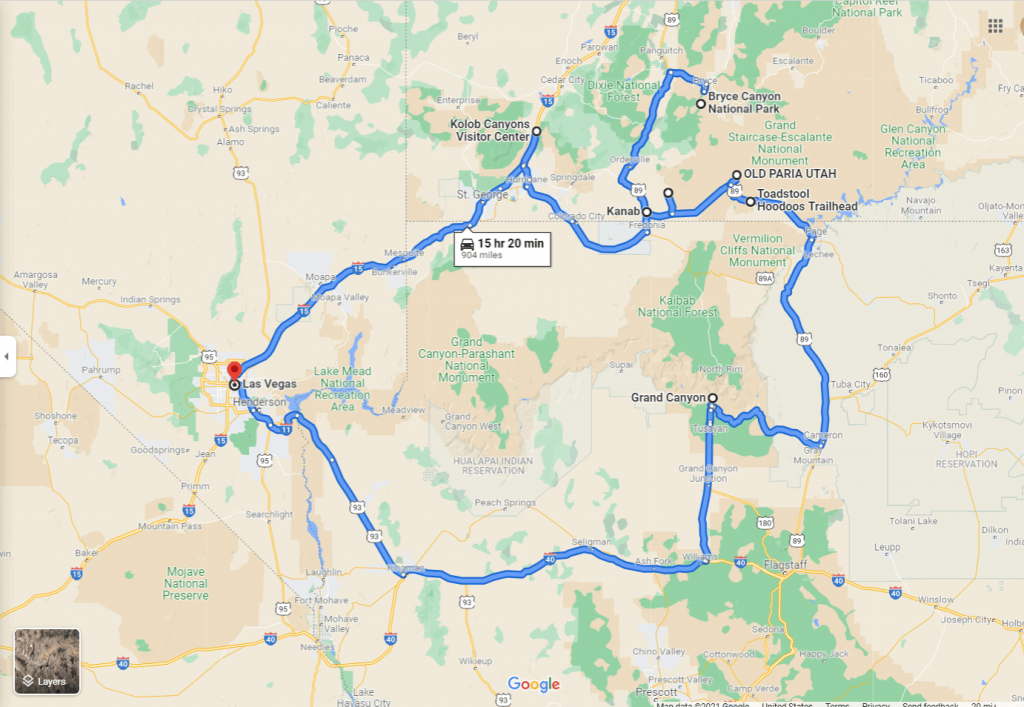
If your goal is to reach Bryce Canyon National Park, you have the opportunity to take Utah State Route 9. This road offers a breathtaking entrance into Zion National Park via the Zion-Mt Carmel Tunnel. While this route may add time to your trip compared to staying strictly on the freeway, the view of the sandstone cliffs and switchbacks is unparalleled.
Travel Tips for the Road Trip
Crossing state lines into the desert environment of the American Southwest requires preparation. Whether you are driving a rental car or your own vehicle, keep these logistical tips in mind.
Weather and Seasonal Considerations
The desert climate of Utah can be extreme. In the summer months, temperatures in low-lying areas like St. George can easily exceed 100 degrees Fahrenheit. Conversely, higher elevations near Bryce Canyon National Park remain cool even in mid-July. If you are traveling in the winter, be prepared for snow and ice, particularly at higher altitudes along Interstate 15, which can impact travel times significantly.
Essential Supplies and Infrastructure
While the stretch between Las Vegas and St. George is well-serviced with gas stations and rest stops, rural areas near Capitol Reef National Park have much more limited infrastructure. Ensure you:
- Maintain at least a half-tank of fuel, especially when heading toward remote areas like the San Rafael Swell.
- Carry extra water, as the dry air leads to rapid dehydration.
- Download offline maps. Cell phone service is unreliable in the deep canyons of Southern Utah.
Choosing Your Base of Operations
Deciding how far you want to drive from Las Vegas will dictate where you should stay. Many visitors prefer to stay in Springdale, which sits at the doorstep of Zion National Park. This eliminates the need for long daily drives if you intend to explore the park over several days.
Alternatively, those chasing the unique landscape of Moab should plan for a multi-day itinerary. Because the city is located nearly 450 miles from the Las Vegas Strip, it is rarely a day-trip destination. Most travelers choose to stop overnight in Cedar City or Richfield to break up the journey and maximize their time spent hiking and sightseeing.

Why the Distance is Worth the Effort
While the drive from Las Vegas to Utah requires a commitment of time, the rewards are immense. You are essentially traveling from a modern urban entertainment hub into some of the most protected and visually stunning public lands in the world.
The proximity allows for a “best of both worlds” experience. You can enjoy the fine dining and shows of Las Vegas before heading out early the next morning to witness the sunrise over the hoodoos of Bryce Canyon National Park. Whether you choose to focus on the southwestern corner of the state or commit to the full cross-state odyssey to Moab, the road trip itself—with its changing geology, vast skies, and sense of discovery—is an essential part of the American travel experience. With a little planning and respect for the distances involved, your journey from the neon of Nevada to the red rocks of Utah will be a highlight of your travels.
LifeOutOfTheBox is a participant in the Amazon Services LLC Associates Program, an affiliate advertising program designed to provide a means for sites to earn advertising fees by advertising and linking to Amazon.com. Amazon, the Amazon logo, AmazonSupply, and the AmazonSupply logo are trademarks of Amazon.com, Inc. or its affiliates. As an Amazon Associate we earn affiliate commissions from qualifying purchases.