
January in New York is a transformative experience. As the festive glow of the holiday season fades, the city settles into the quiet, crystalline beauty of mid-winter. For travelers planning a trip to the United States, the most pressing question often revolves around the weather. To put it simply: yes, it does snow in New York in January, and these snowfall events are what define the quintessential aesthetic of the city during the first month of the year.
The Reality of Winter Weather in New York
Understanding the climate of the Northeast requires looking at the typical atmospheric patterns that dictate the city’s winter. January is statistically one of the coldest months in the region, with temperatures frequently hovering near or below freezing.
Average Temperature and Precipitation Patterns
Throughout January, daytime temperatures typically peak around 38°F (3°C), while nighttime lows often plummet to 26°F (-3°C). Because the city sits on the edge of the Atlantic Ocean, moisture levels remain high. When cold arctic air fronts collide with this moisture, the result is almost inevitably snow. Visitors should expect a mix of sunny, crisp days and gray, overcast afternoons that frequently culminate in flurries or heavier accumulations.
What to Expect During a Snowfall
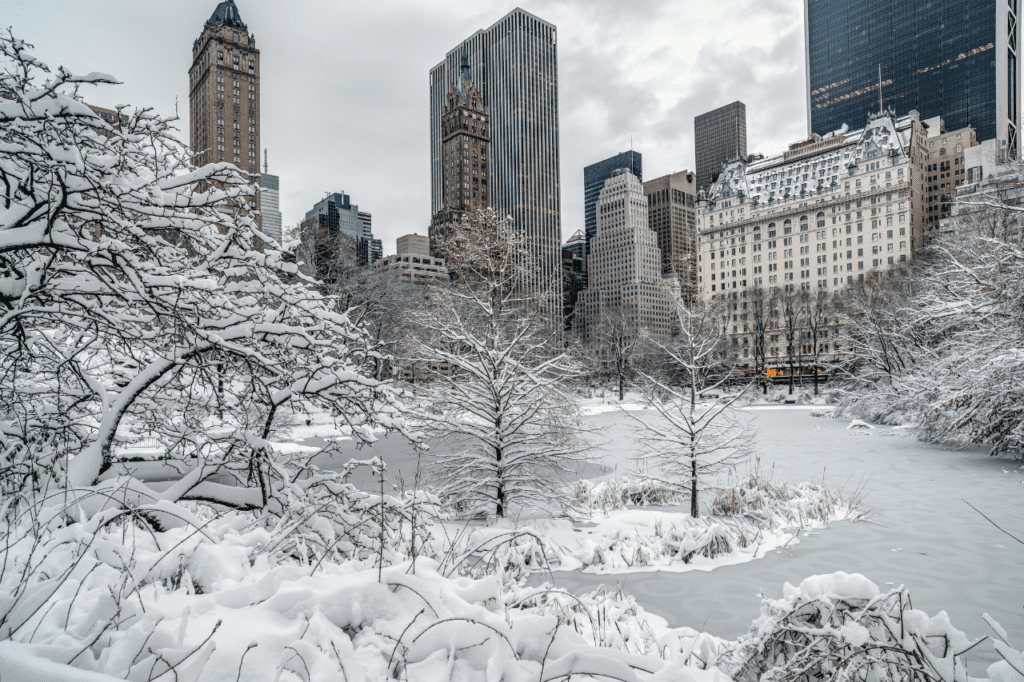
Snow in New York City is rarely predictable. You might encounter light, powdery dustings that turn the streets into a scene from a movie, or you could witness a major “nor’easter,” a powerful storm system that brings significant accumulation. These events transform the urban landscape, blanketing the concrete jungle in a layer of white that muffles the relentless hum of traffic and creates a fleeting sense of serenity.
Iconic Locations Transformed by Winter
While the city is bustling year-round, certain landmarks offer a unique visual narrative when draped in snow. Exploring these sites in January provides a perspective on the city that most summer tourists never see.
Central Park Under a Winter Blanket
Perhaps no location in the city captures the magic of winter quite like Central Park. When snow falls, the winding paths and rolling meadows take on an ethereal quality. The trees, stripped of their leaves, frame the skyscrapers of Manhattan in a stark, beautiful contrast. For the active traveler, January offers the chance to go ice skating at Wollman Rink, where the combination of cold air and falling snow makes for a quintessential New York memory.

The Architectural Beauty of Fifth Avenue
Walking along Fifth Avenue after a fresh snowfall is a highlight of any winter trip. The sophisticated storefronts of the luxury shops are often less crowded, allowing for a more deliberate pace as you move toward Rockefeller Center. The iconic statue of Prometheus stands out vividly against the white backdrop, and the surrounding architecture seems to gain a certain gravity and elegance when viewed through a light dusting of winter precipitation.
Navigating the City During Snowy Conditions
Experiencing snow in a major metropolis like New York requires preparation. While the city’s Department of Sanitation is world-class in its ability to clear major thoroughfares, the conditions can still impact your itinerary.
Packing for the Elements
The key to enjoying a snowy January trip is layering. Start with a thermal base layer, add a warm mid-layer, and finish with a wind-resistant, waterproof outer coat. Because the sidewalks can become slushy, investing in high-quality, waterproof boots with good traction is non-negotiable. You want to remain warm without sacrificing the comfort necessary for walking long distances, as walking remains the best way to explore the various boroughs of the city.
Transportation Adjustments
When snow starts to accumulate, the city’s infrastructure adjusts. While the subway system is generally reliable during light to moderate snow, surface-level bus travel can experience delays due to road conditions. Always keep a digital transit app handy to monitor service updates. Interestingly, taking the subway to areas like Brooklyn or Queens during a snowfall can be a surreal experience—moving from the bustling, heated underground to the hushed, white-out conditions of an elevated station platform provides a stark and memorable contrast.
The Upside of January Travel
Many travelers avoid the winter months, but those who brave the cold are often rewarded with a more authentic and less congested version of the city.
Fewer Crowds at Major Landmarks
During the height of summer, attractions like the Empire State Building or the Museum of Modern Art are packed with visitors. In January, you will find significantly shorter lines and a more relaxed atmosphere. This allows for a deeper appreciation of the exhibits and the architecture. You can enjoy a quiet morning at the Metropolitan Museum of Art without the usual shuffle of thousands of people, making the experience feel personal and exclusive.

Cozy Culinary Experiences
There is no better time to indulge in the city’s legendary food scene than when it is snowing outside. A warm bowl of ramen in the East Village, a classic New York bagel from a neighborhood deli, or a decadent hot chocolate in Greenwich Village takes on a new level of satisfaction when the wind is howling outside. The contrast between the frigid outdoor air and the warm, inviting interiors of the city’s countless cafes and restaurants is one of the true joys of winter travel.
Ultimately, the snow in New York City is not an inconvenience; it is a vital part of the city’s character. It softens the hard edges of the skyscrapers, slows down the frantic pace of the streets, and invites visitors to see the city in a light that is both dramatic and intimate. If you are prepared for the cold and embrace the wintry weather, January offers a truly incomparable travel experience that highlights the enduring resilience and beauty of the metropolis. Whether you are watching the flakes fall from a window overlooking Times Square or trekking through the quiet, snow-covered trails of a city park, the experience is guaranteed to be one for the books.
LifeOutOfTheBox is a participant in the Amazon Services LLC Associates Program, an affiliate advertising program designed to provide a means for sites to earn advertising fees by advertising and linking to Amazon.com. Amazon, the Amazon logo, AmazonSupply, and the AmazonSupply logo are trademarks of Amazon.com, Inc. or its affiliates. As an Amazon Associate we earn affiliate commissions from qualifying purchases.