
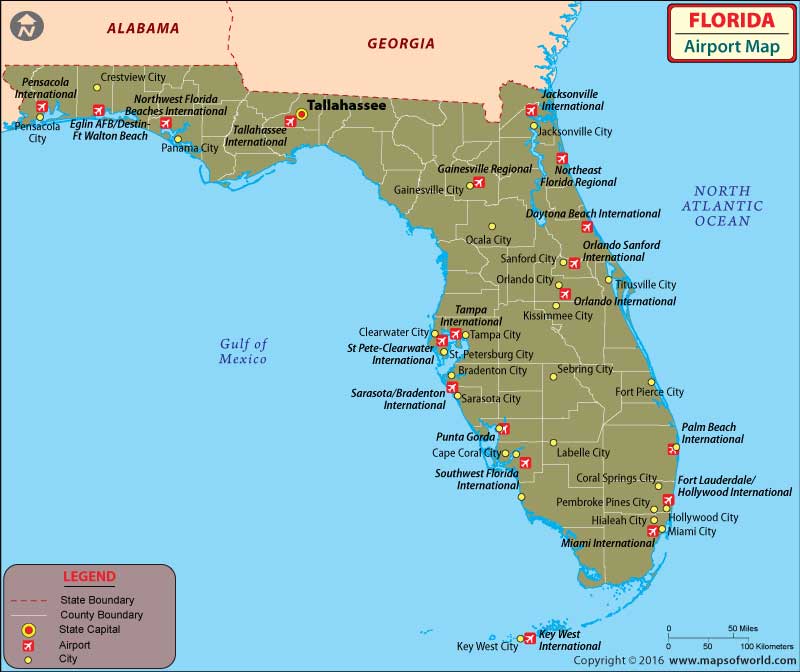
Planning a trip to Miami, the sun-drenched gateway to Florida, often begins with a fundamental logistical question: how many airports serve this vibrant metropolis? Understanding the aviation landscape of South Florida is essential for any traveler, as the choice of airport can significantly influence your transit time, ground transportation costs, and overall experience. While the region is served by a complex network of hubs, the primary destination for the majority of domestic and international travelers is Miami International Airport. However, a comprehensive understanding of the surrounding infrastructure reveals a more nuanced picture for those visiting the United States.

The Primary Gateway: Miami International Airport
Located just a few miles northwest of downtown Miami, Miami International Airport serves as the undisputed titan of the region’s aviation infrastructure. As one of the busiest airports in the world, it acts as a primary hub for American Airlines and serves as a crucial bridge between North America and Latin America.
Strategic Advantages of MIA
Choosing to fly into Miami International Airport offers unmatched convenience for those heading to the heart of the city. The proximity to popular districts like Brickell, Downtown Miami, and Little Havana makes it the most efficient choice for business travelers and vacationers alike. Furthermore, the airport is well-integrated into the regional transit system. Travelers can easily access the Metrorail and the MIA Mover, a free automated train that connects the terminal to the Miami Airport Station, linking passengers to Tri-Rail and bus services.
Navigating the Facility
With six distinct concourses and a sprawling layout, Miami International Airport is designed to handle immense passenger volume. It features a wide range of international duty-free shopping, diverse dining options that reflect the multicultural heritage of Florida, and extensive lounge facilities. For those arriving from international destinations, the customs and immigration processes are streamlined through modern technology, though travelers should always account for peak arrival times when scheduling ground transportation.
Exploring Secondary Regional Hubs
While Miami International Airport is the most direct route, it is not the only option for those visiting Miami. Savvy travelers often look toward Fort Lauderdale-Hollywood International Airport as a strategic alternative, particularly when flying on low-cost carriers or when seeking a less congested arrival experience.
The Fort Lauderdale Alternative
Located approximately 30 miles north, Fort Lauderdale-Hollywood International Airport is a popular secondary choice for residents and visitors of Miami. It is frequently utilized by travelers flying with JetBlue, Spirit Airlines, and Southwest Airlines. Although it requires a longer commute—often involving a 45-minute to hour-long drive via Interstate 95—the smaller scale of the terminals can lead to shorter security lines and faster baggage retrieval.

Connectivity Between Hubs
Transportation between Fort Lauderdale-Hollywood International Airport and Miami has become increasingly efficient. Beyond traditional ride-sharing apps and private car services, the Brightline high-speed rail service offers a premium, comfortable way to travel between the two regions. The Fort Lauderdale Station provides easy access to the MiamiCentral station, situating passengers directly in the center of the city’s burgeoning urban core.
Smaller General Aviation Airports
Beyond the two major commercial airports, Miami is supported by a network of general aviation airports that cater to private pilots, corporate jets, and flight training schools. These facilities play an essential, albeit quieter, role in the region’s total airport count.
Opa-Locka Executive Airport
The Opa-Locka Executive Airport is a significant facility located in Miami-Dade County. It specializes in corporate and executive travel, serving as a primary base for private aircraft owners who wish to avoid the heavy traffic of Miami International Airport. Its proximity to Miami Gardens and Hard Rock Stadium makes it a preferred landing point for high-profile events and private visitors.
Miami-Opa Locka and Kendall-Tamiami
Another key player is the Miami Executive Airport, formerly known as Kendall-Tamiami Executive Airport. Situated in the southwestern part of the county, it supports the local business community and aviation enthusiasts. While these airports do not host scheduled commercial flights for the public, they are integral to the economic health and logistical versatility of Southern Florida.
Travel Planning Tips for Miami Visitors
When determining which airport to choose, consider the broader scope of your trip. Factors such as your final hotel destination, the time of day of your arrival, and your budget for ground transportation should guide your decision-making process.
Selecting the Right Arrival Point
If your primary itinerary revolves around visiting South Beach or Ocean Drive, Miami International Airport is undeniably the most convenient option. However, if your trip includes plans to explore the wider region, such as Boca Raton or the northern reaches of Broward County, the Fort Lauderdale-Hollywood International Airport might actually result in a shorter overall travel time.
Assessing Transportation Costs
Always factor in the price of transit. A ride from Fort Lauderdale to Miami can add significant expense if relying on taxis or private transport. Conversely, flying into Miami International Airport often means you can utilize public transport or shorter, less expensive ride-shares. Additionally, if you plan on renting a car, check rates at both locations; rental car facilities at Miami International Airport are centralized via the MIA Rental Car Center, providing a highly efficient experience compared to some regional counterparts.
Final Thoughts on Airport Logistics
Ultimately, Miami is a massive destination, and its airport infrastructure is designed to accommodate the millions of people who flock to its shores annually. Whether you prioritize the immediate connectivity of Miami International Airport or the alternative convenience of Fort Lauderdale-Hollywood International Airport, the region is well-equipped to get you to your final destination, whether that be a quiet room in a Coral Gables boutique hotel or a bustling resort on the Atlantic Ocean. By understanding the nuances of these hubs, you can navigate your arrival in Florida with the confidence and ease of a seasoned traveler.
LifeOutOfTheBox is a participant in the Amazon Services LLC Associates Program, an affiliate advertising program designed to provide a means for sites to earn advertising fees by advertising and linking to Amazon.com. Amazon, the Amazon logo, AmazonSupply, and the AmazonSupply logo are trademarks of Amazon.com, Inc. or its affiliates. As an Amazon Associate we earn affiliate commissions from qualifying purchases.