
The shadow of the “Five Families” has long hung over the cultural landscape of New York City. For decades, the mere mention of the Italian-American Mafia conjured images of dark-paneled social clubs in Little Italy, clandestine meetings in Brooklyn, and a sprawling web of illicit control that seemed to touch every corner of the metropolis. Today, for the millions of tourists who flock to Manhattan or wander the historic streets of Queens, the Mob feels like a relic of a celluloid past, immortalized by filmmakers and authors rather than a living, breathing force. Yet, the question remains: does the legacy of organized crime still shape the local culture and reality of the city?

The Mythologized Landscape of Organized Crime
To understand the current state of the Mob, one must first look at how the city itself has been molded by the iconography of organized crime. Much of what the average visitor experiences in New York is a curated blend of history and hyperbole.
The Evolution of Little Italy
Once the undisputed heart of Mafia activity, Little Italy has undergone a radical transformation. What was once a neighborhood defined by the influence of the Genovese and Gambino families is now a primary destination for culinary tourism. While the Mulberry Street corridor remains packed with tourists seeking the perfect cannoli or plate of pasta, the “Mob presence” here is entirely theatrical. The storefronts that once served as fronts for numbers rackets are now high-end restaurants catering to visitors who want to soak in the atmosphere of a bygone era.
Cinema and the Tourism Economy
The enduring fascination with the Mob is perhaps best exemplified by the popularity of tours that highlight filming locations from iconic movies. Visitors regularly pay to see the Staten Island home used in The Godfather or the various haunts depicted in Goodfellas. This commodification of crime history has effectively decoupled the actual history of organized crime from the modern tourist experience. The Mob is now a brand—a marketable aesthetic that feeds into the city’s identity as a place of grit, danger, and intrigue.
The Reality of Organized Crime Today
While the cinematic version of the Mob has faded into the background, the reality of modern organized crime in the five boroughs has changed fundamentally. If the Mob still exists, it is not the visible, localized power structure that reigned during the mid-20th century.
Shift from Street-Level Power to White-Collar Crime
Law enforcement agencies, particularly the Federal Bureau of Investigation, effectively dismantled the traditional hierarchies through the use of the Racketeer Influenced and Corrupt Organizations Act, or RICO. The days of “made men” operating openly out of social clubs are largely over. Modern criminal enterprises in North America have pivoted toward cybercrime, large-scale fraud, and sophisticated white-collar schemes that do not require the street-level violence that once kept the Mob in the headlines.

The Decline of Territorial Control
In the past, the Mob exerted a “protection tax” over specific neighborhoods and industries, such as the Fulton Fish Market or the construction unions in The Bronx. Today, the diversification of the city’s economy and the gentrification of its boroughs have made such localized racketeering difficult to sustain. Real estate prices in areas like Williamsburg or DUMBO have reached levels where the old-school model of “neighborhood protection” is obsolete. The power structures that once kept a neighborhood under the thumb of a single family have been displaced by globalized commerce and modern corporate oversight.
A Cultural Legacy in the Modern Era
Despite the decline in structural power, the Mob remains an indelible part of the city’s cultural DNA. The influence of the Italian-American experience, often intertwined with the history of the Mob, is visible everywhere from the food scenes in Arthur Avenue to the social organizations that still maintain a footprint in neighborhoods across the region.
The Preservation of Local Culture
It is important to distinguish between organized crime and the broader Italian-American cultural heritage. Many of the institutions—restaurants, bakeries, and social clubs—that were once associated with the Mob are now simply fixtures of the local community. These places represent a commitment to tradition, craft, and immigrant resilience. When tourists visit a classic red-sauce joint in Bensonhurst, they are engaging with a legacy that transcends the sensationalized stories of the past.
The Mob as an Historical Landmark
For the urban explorer, the history of the Mob provides a lens through which to view the architectural and social history of the city. Landmarks like Coney Island, which served as a backdrop for both leisure and darker dealings in the 20th century, provide a more nuanced look at how the city has evolved. The Mob is not just a story of crime; it is a story of how marginalized groups sought power and identity in an unforgiving urban landscape. By visiting these areas, one gains a better understanding of how New York State transformed from a rough-and-tumble port city into a global center of finance and culture.
Final Observations for the Modern Traveler
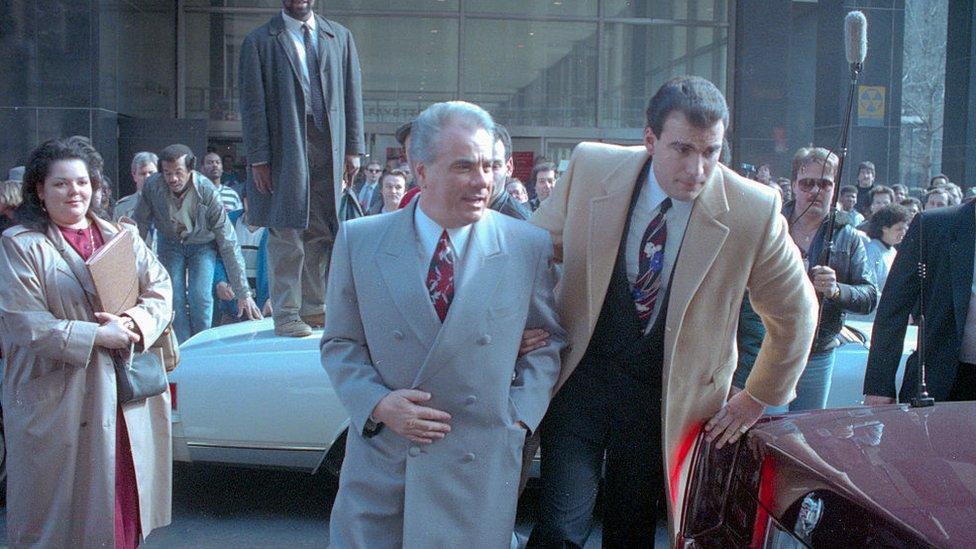
Does the Mob still exist? In the sense of the sprawling, all-powerful criminal syndicate depicted in Hollywood epics, the answer is a definitive no. The structure is fractured, the influence is diminished, and the era of the “Don” has been replaced by the era of the digital entrepreneur and the corporate boardroom.
However, the Mob remains a phantom presence that adds a layer of depth to any trip to the United States. It is a part of the city’s narrative, a shadow that reminds us of the darker, more complex underpinnings of the urban environment. As you walk through the Financial District or stroll along the Brooklyn Bridge, remember that the history of this city is written in layers. The Mafia is one such layer—a fascinating, often misunderstood piece of a mosaic that continues to change.
If you are looking for the “real” Mob, you will likely find only ghosts. But if you are looking for the history of how a city rose, wrestled with its demons, and eventually reshaped itself into the modern marvel we see today, the remnants of that era offer a compelling, if cautionary, chapter in the story of New York. Travelers should focus on the culture, the architecture, and the resilient communities that have outlasted the criminal elements that once sought to define them. The city is defined not by those who lurked in its shadows, but by the vibrancy of the millions who built its bright, bustling streets.
LifeOutOfTheBox is a participant in the Amazon Services LLC Associates Program, an affiliate advertising program designed to provide a means for sites to earn advertising fees by advertising and linking to Amazon.com. Amazon, the Amazon logo, AmazonSupply, and the AmazonSupply logo are trademarks of Amazon.com, Inc. or its affiliates. As an Amazon Associate we earn affiliate commissions from qualifying purchases.