
Understanding the economic landscape is a vital component for those navigating the vibrant lifestyle of New York. Whether you are a digital nomad, a business traveler, or an expatriate looking to settle into the fast-paced rhythm of the United States, knowing the local wage standards provides essential insight into the cost of living and the service economy. In a city where the cost of a daily latte or a theater ticket in Broadway can fluctuate, the minimum wage serves as a benchmark for the overall fiscal health of the region.
The Current State of Minimum Wage in New York
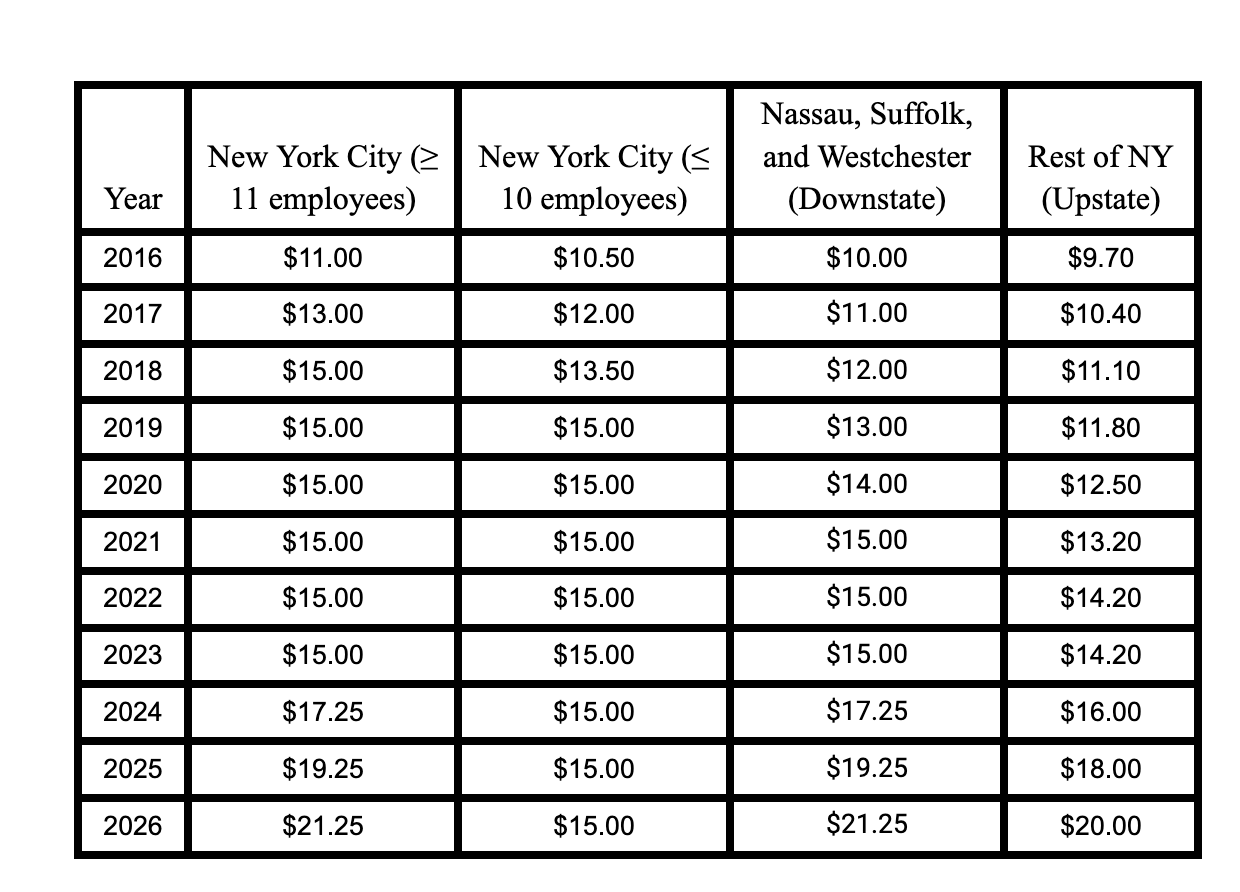
As of late 2023 and moving into 2024, New York State has implemented significant adjustments to its minimum wage laws. These changes are designed to keep pace with the rising costs of housing, transportation, and consumer goods.
Understanding Regional Tiers
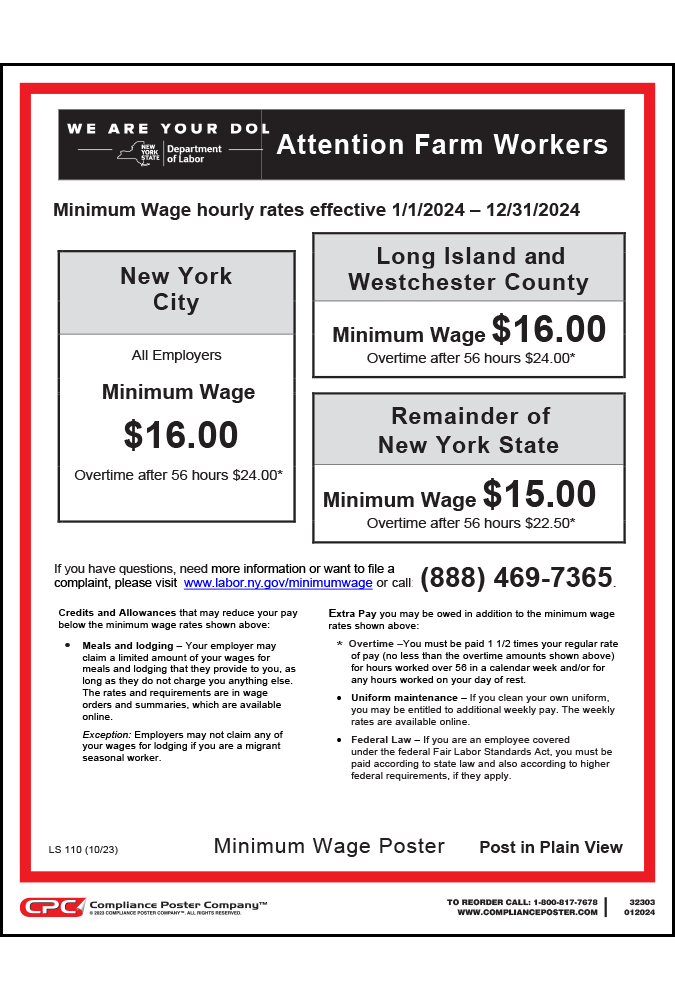
The minimum wage in New York City, Long Island, and Westchester differs slightly from the rate in the “Remainder of New York State.” For employees working within the five boroughs, the hourly rate has climbed to $16.00. This tier-based system acknowledges the vastly different economic realities between the dense urban environment of Manhattan and the more rural landscapes found in regions like the Catskill Mountains or Upstate New York.
The Impact of Scheduled Increases
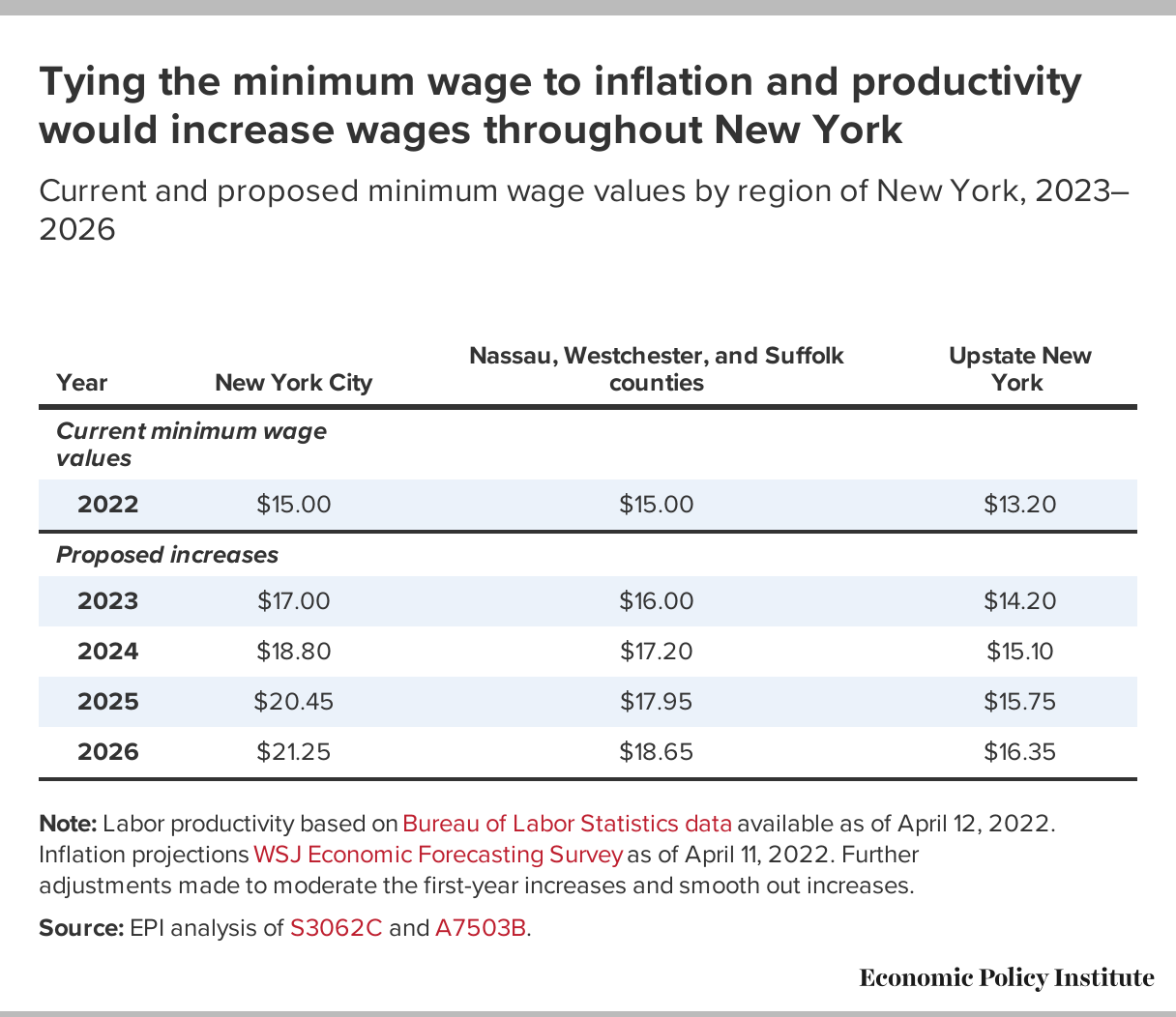
The current wage floor is not stagnant. Under recent legislation, the state has scheduled annual increases to reach $17.00 per hour in the metropolitan area by 2026. This tiered approach allows local businesses to adjust their operational models, including pricing for Central Park tours or Fifth Avenue retail experiences, ensuring that the economy remains competitive while providing a livable wage for the workforce.
Implications for the Lifestyle and Service Economy
For visitors and those observing the local culture, the minimum wage influences far more than just payroll. It dictates the accessibility of services and the price points of local amenities.
Service Industry and Tipping Culture
The United States has a unique approach to gratuity, which is intrinsically tied to the wage floor. While minimum wage laws continue to rise, the expectation for tipping remains a cornerstone of the service sector in hubs like Brooklyn and Queens. When you dine at a restaurant near Times Square or grab a coffee in Greenwich Village, the service charge—or lack thereof—is often factored into the total cost of your experience.
Cost of Living vs. Wages
For those considering a long-term stay in New York City, comparing the wage to the cost of luxury and essential services is critical. The high minimum wage is a direct response to the high cost of rent and groceries. Travelers who enjoy a high-end lifestyle in The Hamptons or seek out affordable housing options in other parts of the state will find that the wage floor acts as a reliable metric for understanding local purchasing power.
Navigating the Costs of a New York Lifestyle
Living or staying in New York requires a strategic approach to budgeting. Whether you are funding your trip through business ventures or leisure, the wage data provides a clear picture of the fiscal environment.
Budgeting for Leisure and Activities
If you are planning an itinerary that includes visits to the Metropolitan Museum of Art or a ferry ride to the Statue of Liberty, the local wage laws indirectly affect the cost of these admissions. As wages rise, venues often adjust their ticket prices to cover labor costs. Keeping this in mind helps in setting realistic expectations for your travel budget.
Comparing Wages Across Different States
For those who travel between New York and neighboring states like New Jersey or Connecticut, it is interesting to note the regional variations in labor laws. New York State maintains one of the most aggressive minimum wage schedules in the nation, reflecting its commitment to its residents’ well-being. This creates a distinct economic atmosphere, especially when compared to more southern regions such as Florida or Texas, where cost of living dynamics differ significantly.
Future Projections and Economic Trends
The economic trajectory of New York is closely monitored by economists and travelers alike. As the state moves toward higher wage mandates, we can expect to see shifts in how businesses operate and how tourists consume goods and services.
Adaptations in Local Businesses
Small businesses, such as family-owned bistros in Little Italy or boutique shops in SoHo, often feel the most pressure from wage hikes. Many have pivoted toward automation—such as self-service kiosks—or have restructured their staffing models to maintain profitability. For the visitor, this means that the experience of interacting with the local culture is constantly evolving.
The Balancing Act
The goal of these periodic wage increases is to ensure that the workforce can afford to live in the same city where they work, maintaining the vibrancy that makes New York City a world-class destination. Whether you are navigating the bustle of Grand Central Terminal or taking in the skyline from a rooftop bar in Williamsburg, the minimum wage acts as an invisible hand guiding the pricing and availability of the experiences you enjoy.
By keeping an eye on these economic shifts, you can gain a deeper appreciation for the complex, fast-moving society of the Empire State. Whether you are a casual tourist or a seasoned traveler, understanding the minimum wage landscape provides a nuanced perspective on the incredible machinery that keeps this city running day and night. The intersection of labor laws and consumer experience is where the true heartbeat of New York can be felt, making every visit an opportunity to engage with a city that is as economically dynamic as it is culturally rich.
LifeOutOfTheBox is a participant in the Amazon Services LLC Associates Program, an affiliate advertising program designed to provide a means for sites to earn advertising fees by advertising and linking to Amazon.com. Amazon, the Amazon logo, AmazonSupply, and the AmazonSupply logo are trademarks of Amazon.com, Inc. or its affiliates. As an Amazon Associate we earn affiliate commissions from qualifying purchases.