
Navigating the educational landscape of New York City can be as complex as traversing the intricate subway map of the five boroughs. For families relocating to this bustling metropolis, understanding the academic structure is essential. The city’s Department of Education oversees one of the largest school systems in the world, and while it shares commonalities with the rest of the United States, the specific terminology and administrative milestones are unique to the local culture of this urban giant.
The Architectural Foundation of Academic Progression
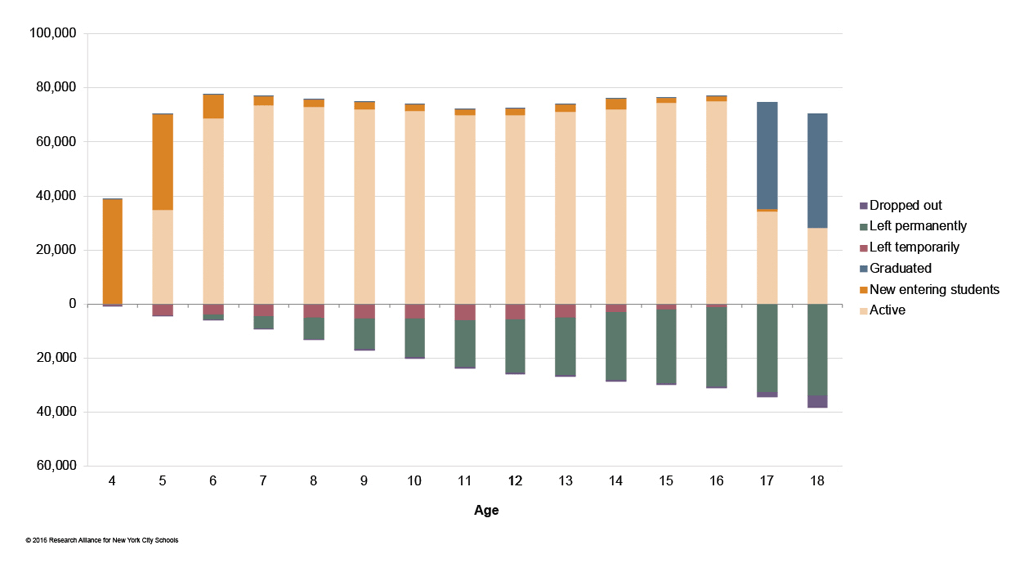
The academic journey in New York City is built upon a rigid but logical progression of grades. Unlike some international systems that group students by age in a more fluid manner, the city adheres to a standardized numbered system, spanning from Kindergarten through Grade 12.

Primary Education: The Early Years
The journey typically begins with Pre-K, which is widely available and strongly encouraged across the city. Following this, children enter Kindergarten at age five. This stage focuses on foundational literacy, numeracy, and social integration. Following Kindergarten, students move through elementary school, which generally encompasses grades 1 through 5. These are the formative years where students in neighborhoods ranging from Brooklyn to Queens learn the core competencies that will support their future academic endeavors.
The Middle School Transition
Middle school represents a significant shift in the student experience. In the city, middle school usually covers grades 6 through 8. This is a period of transition where students move from having a single primary teacher for most subjects to a departmentalized structure, rotating between different instructors for mathematics, science, social studies, and English language arts. This structure prepares students for the autonomy required in high school.
High School and The Path to Graduation
High school in New York City is a distinct entity. It covers grades 9 through 12, often referred to as Freshman, Sophomore, Junior, and Senior years respectively. The grading and graduation requirements are governed by the New York State Regents exams, which serve as a standardized benchmark for academic achievement.
Earning Credits and Meeting Standards
Unlike elementary or middle school, where promotion is often based on the completion of a curriculum, high school promotion and graduation are tied strictly to the accumulation of credits. Students must earn a specific number of credits in core subjects to be eligible for their diploma. This system allows for a degree of flexibility, enabling students to pursue advanced placement courses or vocational pathways that align with their long-term interests.

The Role of Regents Exams
The New York State Regents examinations are a hallmark of the local educational culture. These state-wide assessments are administered in various subjects. Achieving a passing score on these exams is a prerequisite for graduation. This ensures that regardless of whether a student attends a specialized high school in Manhattan or a neighborhood school in The Bronx, they are held to a consistent, high standard of academic performance.
Cultural Context and the Local Education Experience
Education in the city is deeply tied to the local culture and the diverse community fabric of New York. Understanding how schools grade years is as much about understanding the demographic shifts as it is about pedagogy.
Community Integration
Schools often serve as community hubs. In neighborhoods like Staten Island, the school is often the primary site for local engagement, voting, and civic participation. The grading system and academic expectations are frequently topics of conversation at town halls and community board meetings. Parents often find that being involved in the school’s parent-teacher association (PTA) provides a much better understanding of the nuanced “grading” that occurs—not just through report cards, but through portfolios and community contributions.
The Impact of Diversity on Academic Programming
The city’s schools reflect the global nature of its population. Consequently, the way years are graded often involves support for English Language Learners (ELL) and students with diverse learning needs. This inclusive approach to assessment ensures that the grading structure is not a hurdle, but a roadmap for success. Schools adapt their grading rubrics to ensure they are capturing growth across a spectrum of linguistic and cultural backgrounds.
Navigating Challenges and Resources for Families
For those new to the city, the system can feel overwhelming. However, the New York City Department of Education provides extensive resources to help families understand how progression works.
Understanding Progress Reports
At the end of each marking period, families receive reports that detail a student’s performance. These reports do more than assign a letter grade; they provide qualitative insights into a student’s behavior, social-emotional development, and academic effort. Educators in the city emphasize a holistic view of the child, meaning that a “grade” for a year is an aggregate of multiple data points, including projects, class participation, and standardized assessment results.
Seeking Guidance and Support
If a student struggles, the city provides various avenues for intervention. From summer school programs—often termed “Extended School Year”—to personalized learning plans, the goal is to ensure that no student falls behind due to the complexities of the system. Whether a family resides in a luxury apartment overlooking Central Park or a historic brownstone, the fundamental structure of the school year remains a reliable, standardized constant.
The educational infrastructure of this iconic city is designed to provide structure while accommodating the sheer scale of its student body. By understanding the standard progression from grade to grade, the importance of credit accumulation in high school, and the critical role of standardized assessments like the Regents, families can successfully navigate their academic journey. The schools here are not merely institutions for learning; they are part of the vibrant, evolving culture that makes New York City a singular experience for students and parents alike. Whether one is preparing for the transition from elementary to middle school or navigating the final stretch toward high school graduation, the path is clearly marked for those who know how to read the map of the city’s educational standards.
LifeOutOfTheBox is a participant in the Amazon Services LLC Associates Program, an affiliate advertising program designed to provide a means for sites to earn advertising fees by advertising and linking to Amazon.com. Amazon, the Amazon logo, AmazonSupply, and the AmazonSupply logo are trademarks of Amazon.com, Inc. or its affiliates. As an Amazon Associate we earn affiliate commissions from qualifying purchases.