
When travelers plan a visit to the sprawling metropolis of Los Angeles, safety and local infrastructure often become common points of curiosity. As one of the largest cities in the United States, the sheer scale of the Los Angeles Police Department—commonly known as the LAPD—is a testament to the complex nature of policing a city of nearly four million residents. Understanding the size and scope of the force provides a unique lens through which to view the daily life and security of this iconic California destination.
The Scale of the Los Angeles Police Department
The LAPD is one of the most recognizable law enforcement agencies in the world, frequently depicted in cinema and television. However, the reality of its numbers is defined by the logistical demands of covering 469 square miles.
Current Staffing Levels
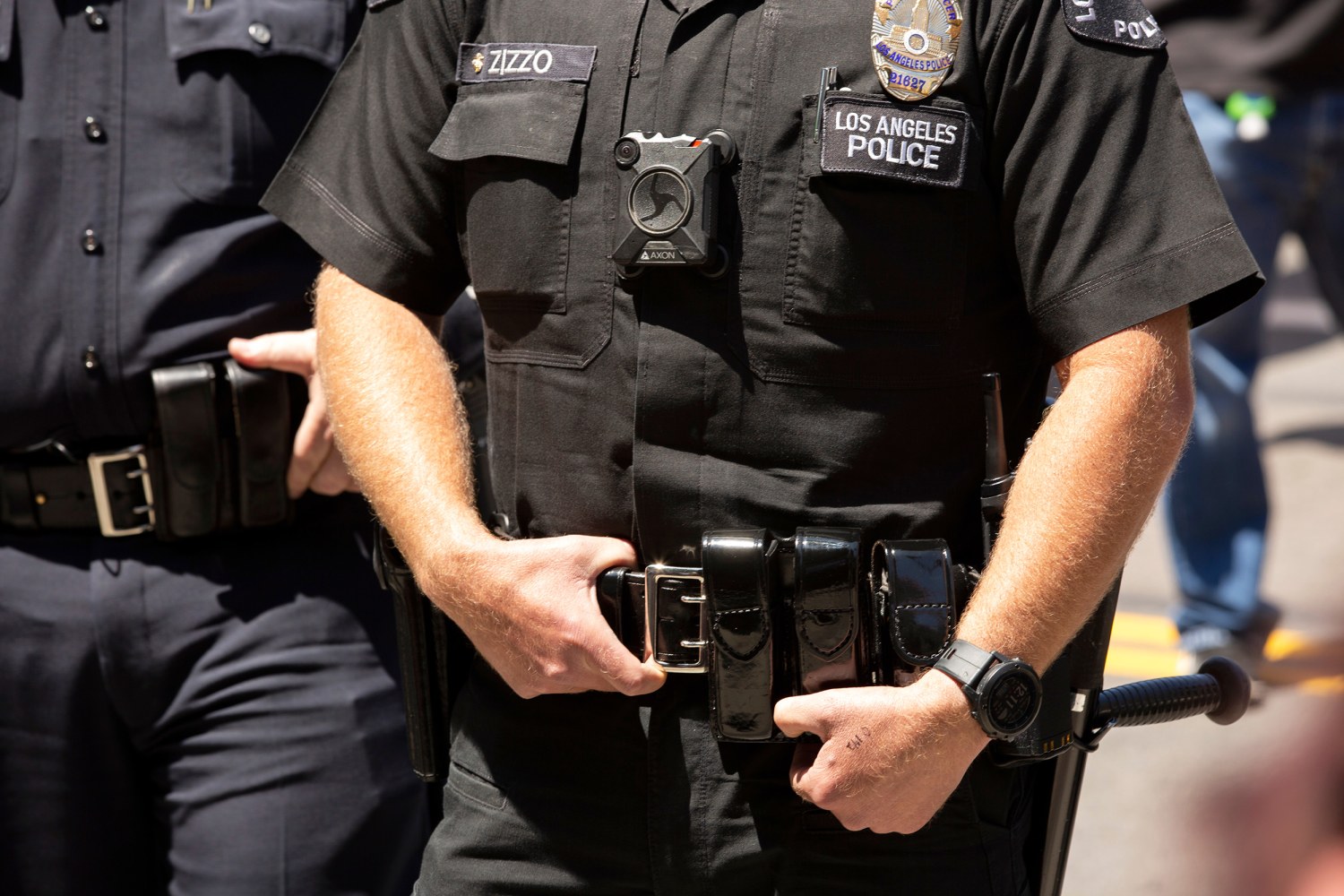
Currently, the department operates with a sworn force numbering approximately 9,000 officers. While these numbers fluctuate due to recruitment cycles, attrition, and budgetary shifts, the force remains one of the largest in the country, second only to the New York City Police Department. This workforce is supported by thousands of civilian personnel who manage administrative, dispatch, and forensic duties, ensuring that the agency functions effectively across diverse neighborhoods.
Geographic Distribution
The city is divided into 21 geographic patrol divisions, ranging from the beach-front communities of Venice and Pacific Palisades to the bustling urban core of Downtown Los Angeles. Each division is staffed to handle the specific needs of its area, acknowledging that the security requirements of Hollywood differ significantly from the quiet residential expanses of the San Fernando Valley.
Public Safety for Tourists and Residents
For those visiting Los Angeles, the presence of law enforcement is most visible in major tourist hubs. Understanding how the city manages safety allows visitors to navigate popular sites with greater peace of mind.
Patrolling Major Landmarks
In areas like the Hollywood Walk of Fame or the Santa Monica Pier, the density of officers is often higher due to the sheer volume of foot traffic. Specialized units, including bicycle patrols and foot beats, are employed to maintain visibility and accessibility. Whether you are exploring the Griffith Observatory or shopping along Rodeo Drive, the department maintains a strategic presence designed to facilitate a smooth experience for both locals and international visitors.

Community Policing Initiatives
The modern approach to policing in Southern California emphasizes community engagement. Many officers are tasked with building relationships within their assigned districts. This helps ensure that popular cultural corridors, such as Olvera Street or the Arts District, remain welcoming environments for tourists. This approach focuses on preventative measures and community visibility, which contributes to the overall stability of the city’s vibrant tourism sector.
Navigating the City Safely
While the LAPD works to maintain order, travelers should always practice situational awareness regardless of the city’s staffing levels.
Helpful Tips for Visitors
- Stick to Well-Traveled Areas: During your stay, prioritize visiting established tourist destinations. Places like The Getty Center and Beverly Hills are well-patrolled and designed with visitor safety in mind.
- Utilize Reliable Transportation: Whether using rideshare apps or public transit like the Los Angeles Metro, stick to documented routes. The transit system is monitored, and security presence is standard, particularly during peak travel hours.
- Emergency Preparedness: In the event of an emergency, the universal number 911 is the primary point of contact for all police, fire, and medical needs throughout Los Angeles County.
Understanding Local Jurisdictions
It is important to note that Los Angeles is a massive county composed of many independent cities. While the LAPD serves the city limits, neighboring cities like Burbank, Pasadena, and Santa Monica operate their own independent police departments. If you are traveling through the region, you may cross multiple jurisdictional boundaries, each with its own police force dedicated to the safety of that specific municipality.
The Future of Public Safety in Los Angeles
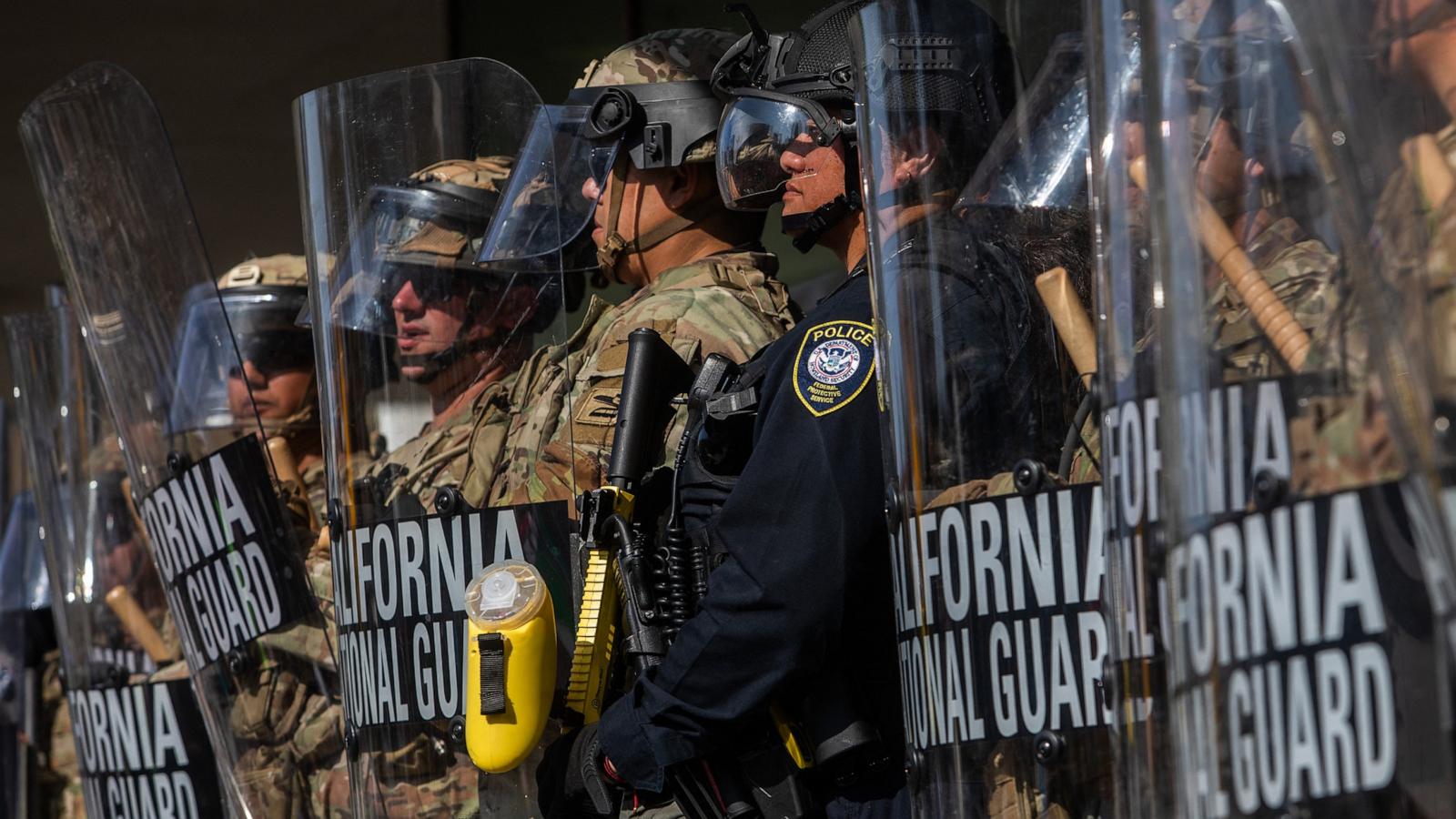
As technology and urban growth continue to reshape California, the way the city handles public safety is also evolving. The Los Angeles Police Department is increasingly integrating data-driven policing to allocate its resources more effectively. By analyzing crime statistics and traffic patterns, the department aims to deploy its 9,000 officers where they are needed most, rather than relying solely on static patrols.
Technology and Tourism
For the modern traveler, this means that even when you don’t see an officer on the street corner, the city is using sophisticated monitoring tools to ensure public spaces remain safe. From surveillance systems in public plazas to rapid-response protocols for major events at venues like Dodger Stadium or Crypto.com Arena, the infrastructure of safety in Los Angeles is expansive and highly organized.
A Welcoming Environment
Ultimately, Los Angeles remains one of the world’s premier tourism destinations. The commitment to maintaining a safe environment is a foundational element of the city’s ability to host millions of guests every year. Whether you are coming to see the Hollywood Sign or to attend a conference in the city center, you can rest assured that the infrastructure—and the workforce behind it—is working to keep the city accessible and secure.
By understanding the scale of the LAPD and the layered nature of local law enforcement, you gain a better appreciation for the management of such a complex, sprawling urban environment. It allows you to focus on what truly matters during your trip: exploring the diverse neighborhoods, enjoying the world-class culinary scene, and experiencing the unique culture that defines this quintessential American city.
LifeOutOfTheBox is a participant in the Amazon Services LLC Associates Program, an affiliate advertising program designed to provide a means for sites to earn advertising fees by advertising and linking to Amazon.com. Amazon, the Amazon logo, AmazonSupply, and the AmazonSupply logo are trademarks of Amazon.com, Inc. or its affiliates. As an Amazon Associate we earn affiliate commissions from qualifying purchases.