
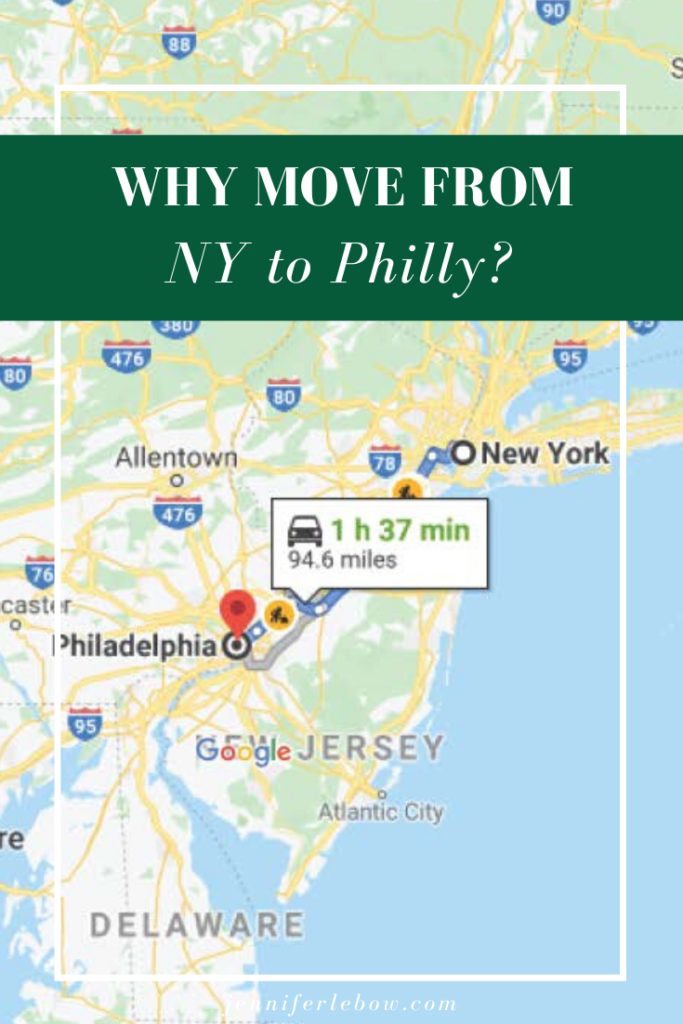
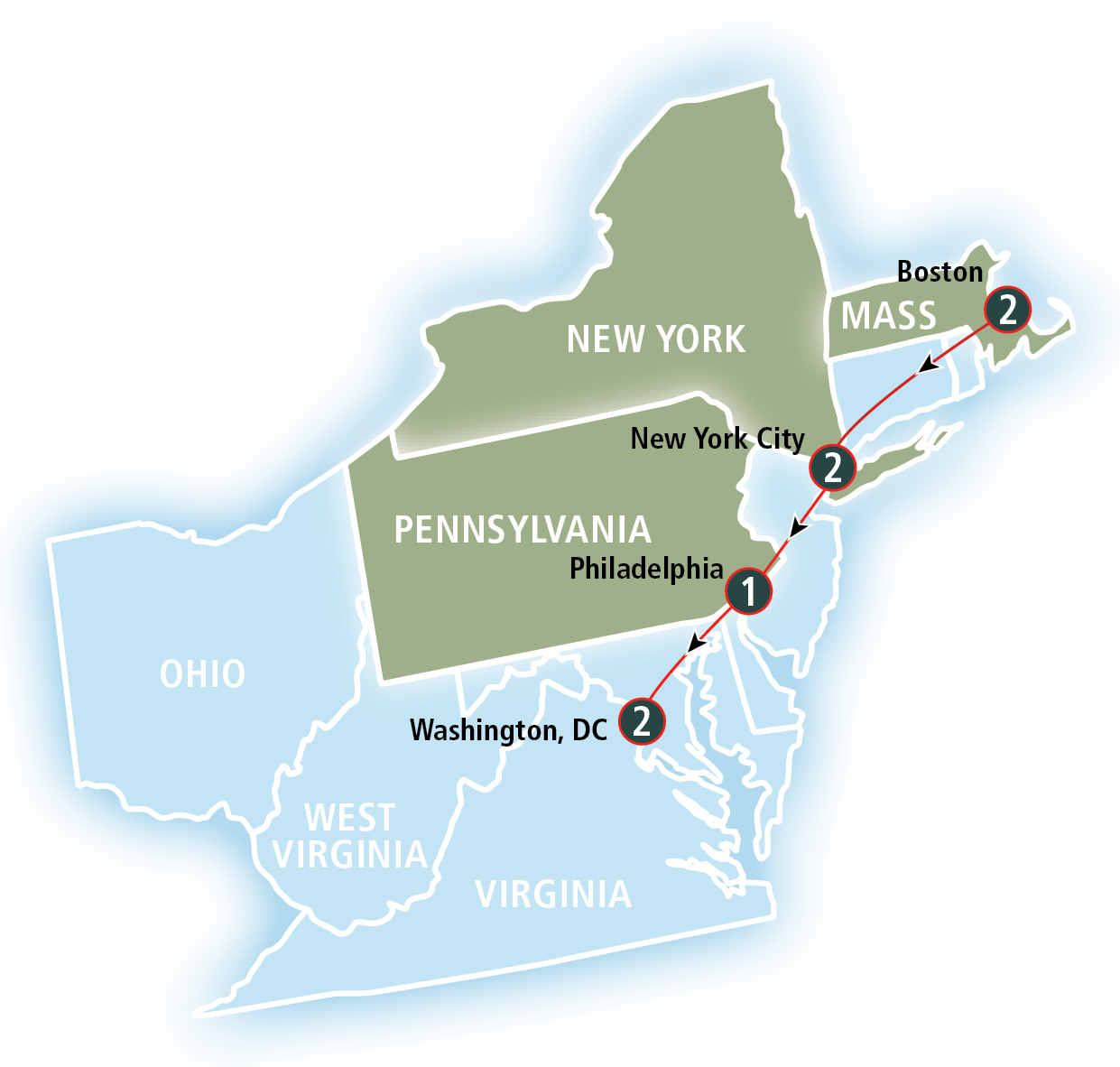
Traveling between Philadelphia and New York City is one of the most common transit routes in the United States. Separated by a mere 95 to 100 miles, these two titans of the Northeast Corridor are deeply intertwined by history, culture, and commerce. Whether you are a business traveler heading to Wall Street for a meeting or a tourist looking to swap a Philly Cheesesteak for a New York slice, understanding the logistics of this journey is essential for a seamless experience.
Navigating by Rail: The Most Efficient Route
For the vast majority of travelers, the train is the gold standard of transit between Pennsylvania and the Big Apple. The infrastructure connecting 30th Street Station in Philadelphia to Moynihan Train Hall at Penn Station is among the most reliable in the country.
Amtrak: Speed and Comfort
The Amtrak service offers two primary tiers: the high-speed Acela and the Northeast Regional. Acela service can whisk you from city center to city center in approximately 70 to 80 minutes. The Northeast Regional is slightly slower, usually taking between 90 minutes and two hours, but it provides a consistent, comfortable experience with plenty of legroom and power outlets, making it a favorite for commuters.
The SEPTA and NJ Transit Alternative
For those on a budget, a popular “hack” involves taking the SEPTA regional rail to Trenton Transit Center and transferring to an NJ Transit train bound for Manhattan. While this route lacks the direct speed of Amtrak, it is significantly more affordable and offers a flexible schedule for those who are not in a rush. This multi-leg journey typically takes about two and a half to three hours depending on transfer times.
Taking to the Road: Driving Dynamics
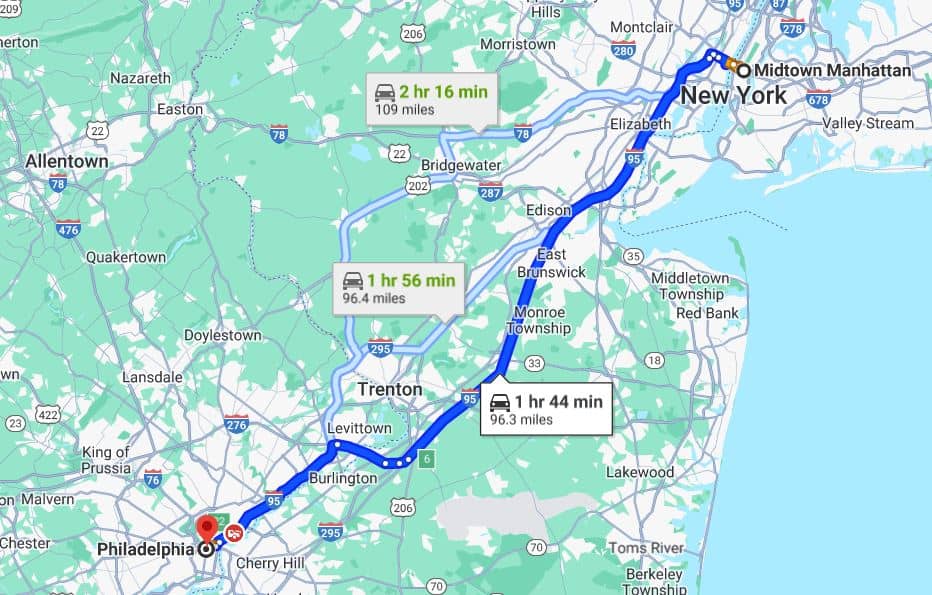
Driving between these two cities offers the most freedom, but it is also the most unpredictable method of travel. The distance is short, but the traffic density between New Jersey and the entry points into New York can turn a two-hour drive into a four-hour ordeal.
The Route via the New Jersey Turnpike
Most motorists take the New Jersey Turnpike, which serves as the primary artery connecting the Mid-Atlantic region. The drive is relatively straightforward, but travelers should be prepared for significant tolls at the George Washington Bridge or the Lincoln Tunnel.
Essential Driving Tips
- Time Your Departure: Avoid the “rush hour” windows between 7:00 AM – 9:00 AM and 4:00 PM – 7:00 PM. Weekends can also see heavy congestion during peak summer months as travelers head toward the Jersey Shore.
- Parking Considerations: If you are driving into the city, remember that parking in Midtown Manhattan is notoriously expensive and difficult. Many travelers opt to park in Hoboken or Jersey City and take the PATH Train into the city to avoid the headache of navigating dense urban traffic.
Bus Travel: The Budget-Friendly Choice
The intercity bus market has seen a resurgence in quality and availability. For those looking to save money without the complexity of train transfers, bus travel is an excellent category of transit that balances cost and convenience.
Carriers and Terminals
Operators like Megabus, Greyhound, and FlixBus operate frequent departures throughout the day. Most buses depart from designated pick-up points near Philadelphia City Hall and arrive at the Port Authority Bus Terminal.
Travel Time Expectations
While the bus is technically “cheaper,” travel times are heavily dependent on road conditions. On a clear day, the trip can take about two hours. During peak traffic hours or inclement weather, however, you should budget at least three hours for the commute. Many modern buses offer Wi-Fi and seat-back entertainment, allowing travelers to work or relax during the journey.
Comparative Overview: Which Mode to Choose?
Choosing the right way to travel depends entirely on your priorities. Here is a breakdown to help you make your decision:
| Mode | Pros | Cons | Best For |
|---|---|---|---|
| Train | Fastest, most reliable, city-center access | More expensive | Business travelers, tourists |
| Car | Privacy, door-to-door convenience | Traffic, parking costs | Groups, families, flexible schedules |
| Bus | Lowest cost | Variable arrival times | Budget-conscious solo travelers |
The Value of Time vs. Cost
When evaluating the distance, consider the “total travel time” rather than just the time spent on the vehicle. For instance, while driving might appear to have a shorter “in-car” time on a map, the time spent searching for parking in Brooklyn or Queens often negates the perceived efficiency.
Conversely, taking the train allows you to arrive directly in the heart of the city, steps away from the Subway system. For visitors, this proximity is invaluable, as it eliminates the need for expensive ride-shares or taxis upon arrival.
Final Thoughts for Your Trip
No matter how you choose to make the journey, the trip between Philadelphia and New York City is a quintessential American travel experience. You are moving from a city defined by the Liberty Bell and the Independence Hall—where the seeds of the nation were sown—to a global hub of finance, media, and art.
If you plan your transit in advance and remain mindful of the peak congestion times, the distance of roughly 100 miles will feel like a quick transition between two of the most significant urban centers on the East Coast. Always double-check your schedules, book your tickets early to secure the best rates, and enjoy the ride as you traverse the bustling landscape of the Northeast. Whether you are headed north for a Broadway show or south for a history tour of Old City, the connection between these two cities ensures that your destination is never more than a short trip away.
LifeOutOfTheBox is a participant in the Amazon Services LLC Associates Program, an affiliate advertising program designed to provide a means for sites to earn advertising fees by advertising and linking to Amazon.com. Amazon, the Amazon logo, AmazonSupply, and the AmazonSupply logo are trademarks of Amazon.com, Inc. or its affiliates. As an Amazon Associate we earn affiliate commissions from qualifying purchases.