
Checking into a new place to stay should be an exciting moment of relaxation, whether you are arriving at the Marriott Marquis in New York City or settling into a boutique property in Paris. However, seasoned travelers know that peace of mind requires a brief moment of vigilance before unpacking your bags. Bed bugs are an unwelcome reality of modern global travel, capable of hitchhiking home in your luggage regardless of how luxurious or pristine your accommodation appears. Knowing how to systematically inspect your room can save you from a deeply uncomfortable experience and prevent a costly infestation upon your return home.

The Golden Rule: Keep Your Luggage Elevated
Before you even touch the bedding or pull back the sheets, you must establish a safe zone for your personal belongings. Bed bugs are notoriously efficient travelers, and they love dark, enclosed spaces like suitcases, backpacks, and duffel bags.
Utilize the Luggage Rack
Most properties, from the grand rooms at the Ritz-Carlton to standard airport motels, provide a folding metal or wooden luggage rack. Inspect this rack quickly for any signs of bugs or stains, and if it looks clean, place your suitcase there. Never leave your bags on the floor, on upholstered armchairs, or directly on the bed during your initial inspection. If a luggage rack is unavailable, placing your suitcase in the bathtub or on a hard-surface desk is a safer alternative until you have cleared the room.
Unpack Strategically
If you are staying for an extended period in cities known for high hospitality traffic, such as London or Tokyo, consider keeping your clothes inside sealed packing cubes or directly inside ziplock bags within your luggage. This minimizes the exposed surface area of your garments and provides an extra physical barrier against any stray pests that might wander into the closet or drawers.
Strip and Inspect the Bedding
The bed is the primary habitat for these nocturnal parasites. Because they feed on blood, they naturally congregate close to their food source. Conducting a thorough examination of the mattress and its surrounding components is the most critical step in your defensive routine.
Grab a Flashlight
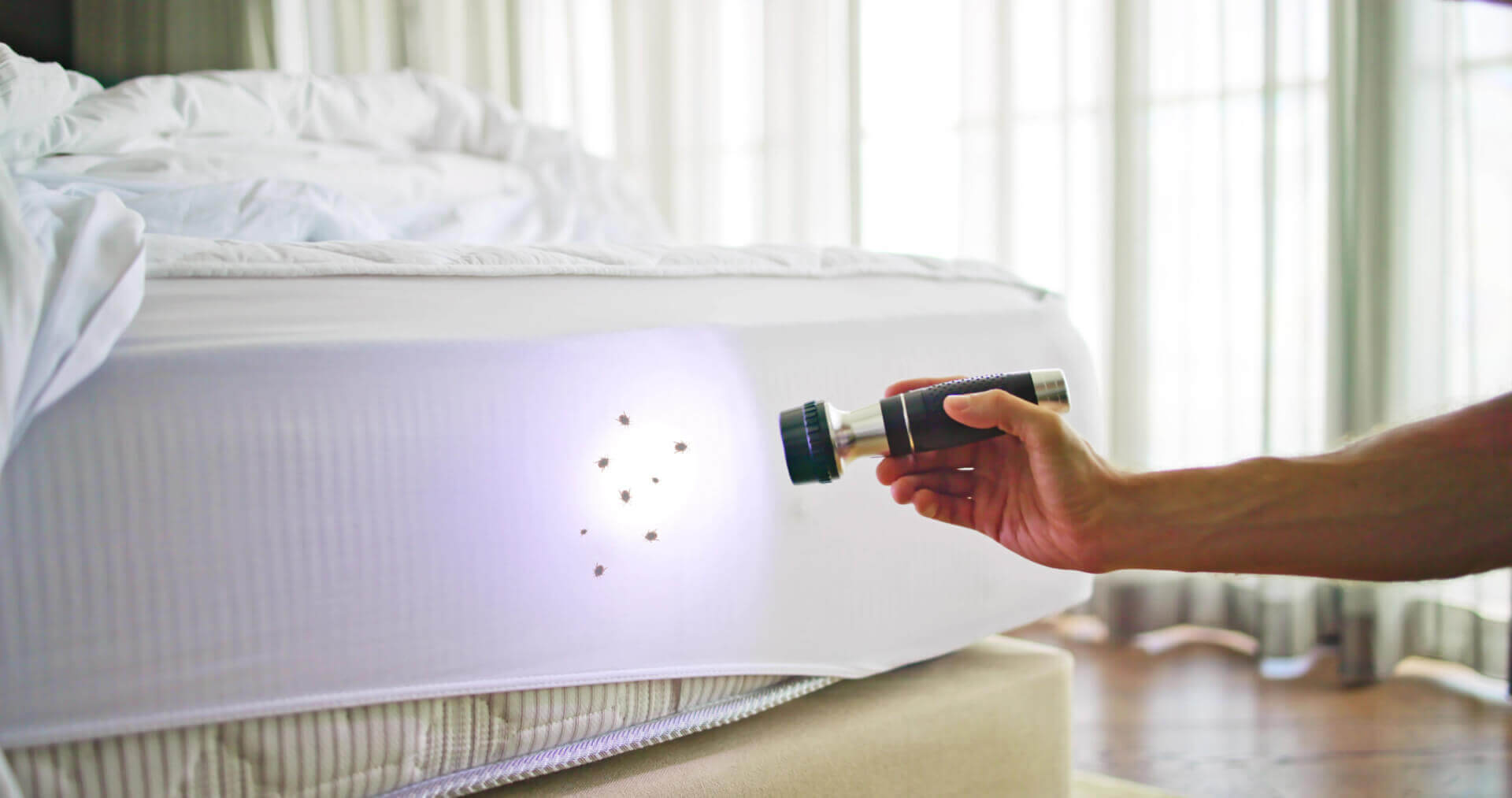
Turn off the main overhead lights and use the flashlight on your smartphone. Bright, direct light forces these tiny insects out of the shadows and helps illuminate the dark crevices where they love to hide. Pull back the duvet, blankets, and top sheets entirely, exposing the bare mattress and box spring.
Check the Seams and Piping
Carefully run your fingers along the piping, seams, and tufts of the mattress. Bed bugs are small, flat, reddish-brown insects about the size of an apple seed. Pay special attention to the corners and the underside of the mattress. If the bed has a dust ruffle or dust skirt, inspect the pleats and hems closely, as these fabric folds offer ideal hiding spots away from direct light.
Look for the Telltale Signs
You may not always spot a live bug during your search, but they leave distinct physical evidence behind. Look for the following markers:
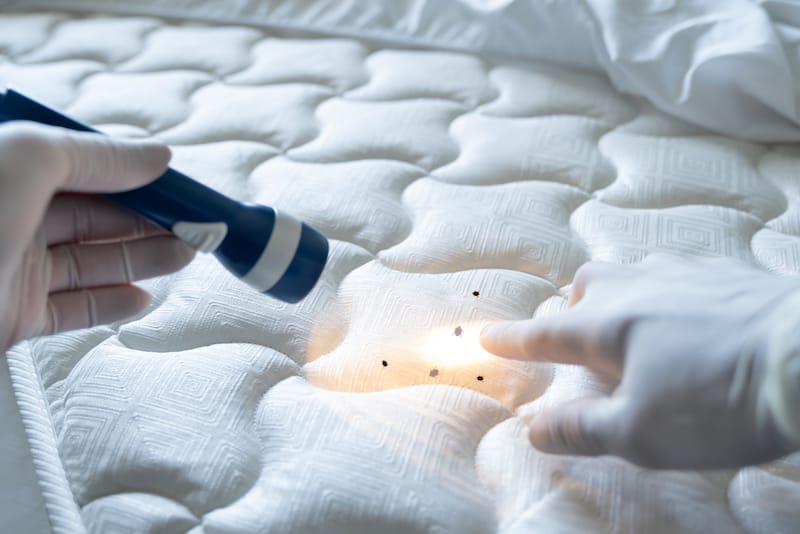
- Dark fecal spots: These look like small ink dots left by a ballpoint pen and often smear slightly if touched with a damp tissue.
- Blood stains: Small reddish smudges on the sheets or mattress casing can indicate where a bug was accidentally crushed during the night.
- Shed skins: As bed bugs grow through their nymph stages, they molt, leaving behind translucent, yellowish exoskeletons.
- Tiny white eggs: Rarely visible without close inspection, these are sometimes found tucked into the deepest creases of fabric.
Inspect Beyond the Mattress
While the mattress is the most obvious hotspot, adult pests and their eggs can migrate to other parts of the room. If they have run out of space on the bed, they will quickly spread to nearby wooden and upholstered furniture.
Examine Upholstered Furniture and Headboards
Check any armchairs, sofas, or fabric headboards in the room. Slide your fingers along the seams of upholstered chairs and look behind wall-mounted headboards. Many upscale chains, such as properties managed by Four Seasons Hotels and Resorts, implement rigorous preventative pest control protocols, but a stray bug can still occasionally make its way in from a previous guest’s luggage.
Check Surrounding Wooden Surfaces
Bed bugs actually prefer wood and paper surfaces over fabric when they are not actively feeding. Take a quick look behind the wooden nightstands, inside the drawers, and along the baseboards closest to the bed. Check behind picture frames hanging directly above the sleeping area, as they frequently use these quiet gaps as daytime harborages.
What to Do If You Find Evidence
Discovery of a pest does not have to ruin your trip, provided you handle the situation calmly, firmly, and immediately.
Notify Management and Request a Room Change
If you find live insects or undeniable evidence of an infestation, gather your belongings without delay and report the issue to the front desk immediately. Request a room change, but ensure the new room is not directly adjacent to, above, or below the infested room, as bed bugs can travel through wall voids or electrical outlets. Ideally, ask for a room located on an entirely different floor.
Relocate to a Different Property
If management is uncooperative or if multiple rooms show signs of poor maintenance, consider checking out entirely and booking a stay at an alternative location, such as a trusted property in Las Vegas or Sydney. Document everything with clear, well-lit photographs so you can easily secure a full refund through your booking platform or credit card company. Prevention is always easier than treating an infestation once you return home.
LifeOutOfTheBox is a participant in the Amazon Services LLC Associates Program, an affiliate advertising program designed to provide a means for sites to earn advertising fees by advertising and linking to Amazon.com. Amazon, the Amazon logo, AmazonSupply, and the AmazonSupply logo are trademarks of Amazon.com, Inc. or its affiliates. As an Amazon Associate we earn affiliate commissions from qualifying purchases.