
Crossing the Atlantic Ocean between New York and London is one of the most iconic journeys in global travel. Whether you are a business professional navigating the financial corridors of these two world-class hubs or a leisure traveler seeking to bridge the cultural gap between North America and Europe, understanding the logistics of this route is essential. While the distance remains constant, the way we perceive the gap—measured in time, altitude, and miles—continues to evolve with modern aviation technology.
The Geographical Distance and Flight Mechanics
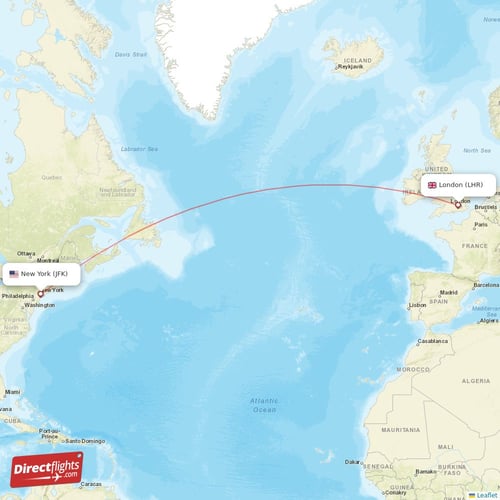
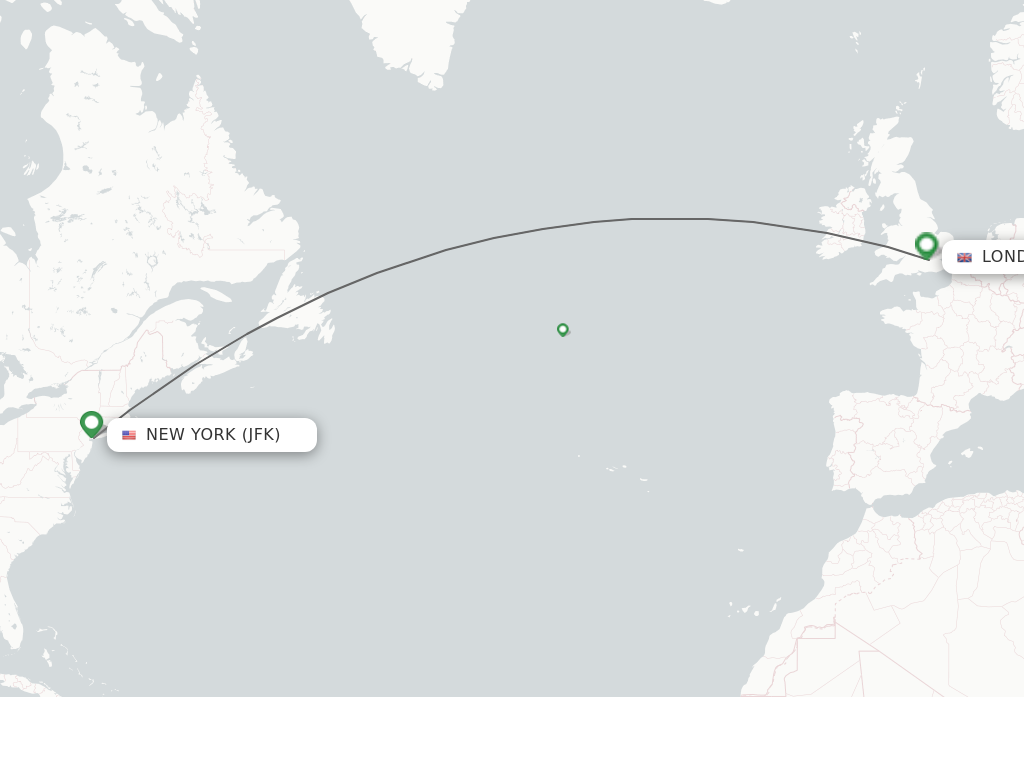
At its most literal level, the distance between New York City and London is approximately 3,450 miles (roughly 5,550 kilometers). This measurement represents the “great circle” route, which is the shortest path between two points on the surface of a sphere.
Why Flight Times Differ
The reason you often feel that the journey to England is shorter than the return trip to the United States comes down to the influence of the jet stream. This powerful ribbon of air moves from west to east across the Atlantic. When flying east from JFK International Airport to Heathrow Airport, pilots utilize these tailwinds to increase ground speed, often cutting the flight duration to under seven hours. Conversely, the westward journey faces headwinds, typically extending the duration to eight hours or more.
The Evolution of Aviation Speed
In the golden age of aviation, the distance seemed much larger. Today’s wide-body aircraft, such as the Boeing 787 Dreamliner or the Airbus A350, offer an efficiency that makes crossing the pond feel routine. While we are currently in an era of subsonic travel, the historical benchmark set by the Concorde remains a fascination for travelers who dream of bridging this distance in under four hours.
Planning Your Transit Between Major Hubs
Navigating the journey between Manhattan and the United Kingdom requires more than just booking a ticket. Travelers must consider the logistical nuances of their departure and arrival points to ensure a seamless experience.
Choosing Your Gateway
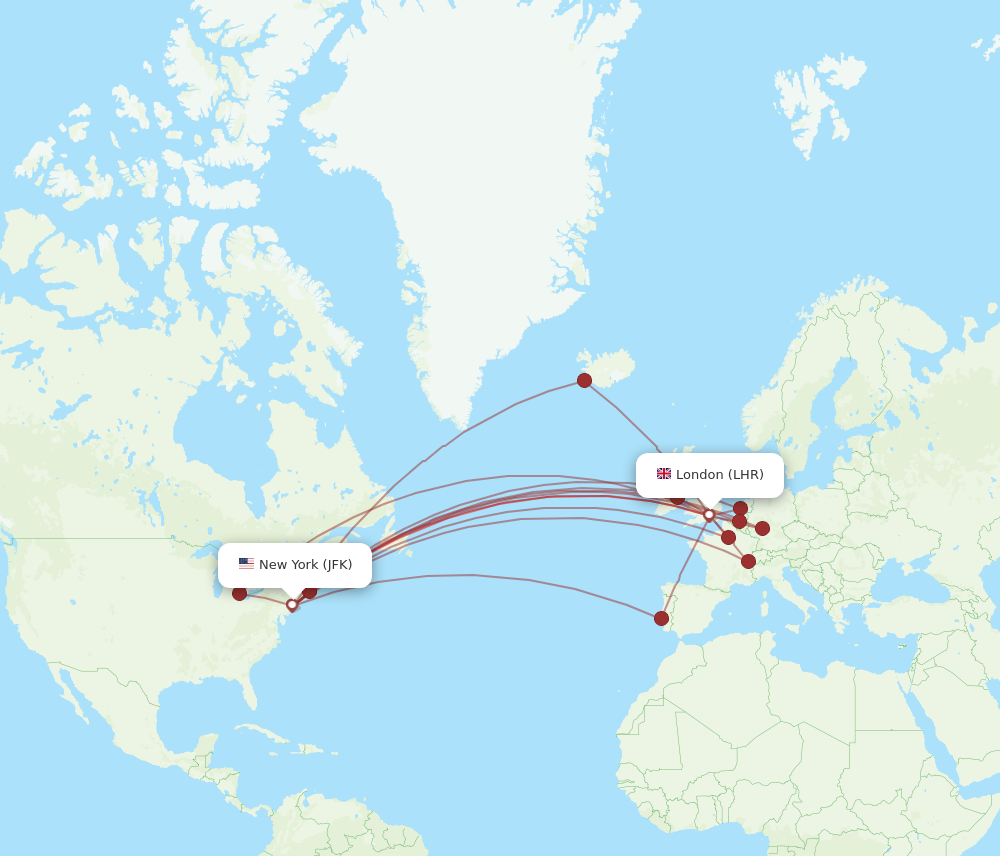
Most travelers flying from New York utilize John F. Kennedy International Airport, though Newark Liberty International Airport serves as a vital alternative, particularly for those based in New Jersey. Upon arrival in London, Heathrow remains the primary international gateway, offering the most connectivity. However, Gatwick Airport also provides excellent service for transatlantic flights, and London City Airport offers a more boutique, streamlined arrival for those focusing on business in the City of London.
Time Zone Management
One of the most significant “distances” to overcome is the five-hour time difference. Because the flight is relatively short—often occurring overnight—the challenge is not just the physical miles but the physiological impact of jet lag. Strategic hydration, minimizing alcohol intake, and attempting to align your sleep schedule with Greenwich Mean Time as soon as you board the aircraft can significantly mitigate the feeling that London is a world away.
Seasonal Considerations for the Atlantic Crossing
The distance does not change with the seasons, but the experience of the journey certainly does. The atmospheric conditions over the North Atlantic Ocean vary throughout the year, impacting flight paths and potential turbulence.
Summer Travel
During the summer months, the Atlantic skies are generally more stable, though passenger demand peaks. If you are traveling during the height of the season, the distance remains the same, but the logistical pressure on airports like JFK can increase wait times. It is advisable to book well in advance to secure preferred seating, which can make those 3,450 miles feel much more manageable.
Winter and Atmospheric Dynamics
Winter travel brings a different set of variables. The intensity of the jet stream increases during the colder months, which can lead to more significant variations in flight times between the American coast and Britain. While modern weather forecasting ensures that flights are rerouted for safety, travelers should be prepared for the possibility of minor delays caused by winter storms affecting the Northeast United States or the British Isles.
Beyond the Flight: Cultural Distance
While we measure the distance in miles or kilometers, the true “length” of the journey is often defined by the shift in culture and atmosphere. Transitioning from the vibrant, high-energy bustle of Times Square to the historic, storied streets surrounding Westminster Abbey creates a sense of spatial displacement that is far greater than the physical geography suggests.
Bridging Two Worlds
The United States and the United Kingdom share a deep, historical link, yet the transition from the grid-like structure of New York to the organic, winding street patterns of London is immediate upon landing. Whether you are traveling for the arts in Broadway or the West End, or for the financial districts of Wall Street and Canary Wharf, the journey across the Atlantic is a bridge between two of the most influential societies in human history.
Maximizing the Experience
Regardless of how far you believe New York to London to be, the journey is meant to be enjoyed. With advancements in in-flight entertainment, connectivity, and cabin comfort, the modern traveler can bridge this vast distance with ease. Whether you view the trip as a necessary commute or an adventurous transit between two iconic landmarks, the Atlantic passage remains the most traveled corridor in the sky, connecting the heart of the New World to the enduring heritage of Old World charm. Always remember to check your airline’s specific routes and potential stopovers, as these can add distance to your journey while providing opportunities to explore secondary destinations before arriving at your final stop in England.
LifeOutOfTheBox is a participant in the Amazon Services LLC Associates Program, an affiliate advertising program designed to provide a means for sites to earn advertising fees by advertising and linking to Amazon.com. Amazon, the Amazon logo, AmazonSupply, and the AmazonSupply logo are trademarks of Amazon.com, Inc. or its affiliates. As an Amazon Associate we earn affiliate commissions from qualifying purchases.