
The journey from the neon-soaked boulevards of Las Vegas to the sun-drenched coastline of Los Angeles is one of the most popular short-haul routes in the United States. For travelers looking to transition from the high-octane energy of the desert to the coastal breeze of the Pacific, the flight path is remarkably brief. Understanding the nuances of this aerial commute—from flight duration to the logistical realities of air travel—is essential for planning an efficient and stress-free trip.
The Aerial Reality: Flight Duration and Logistics
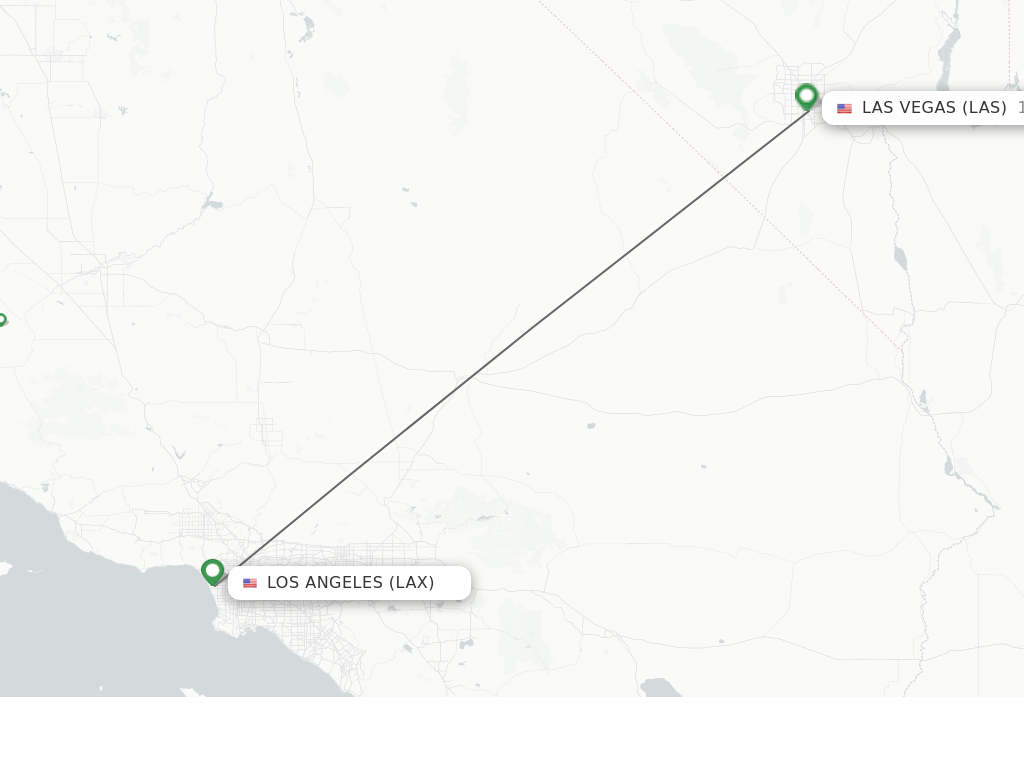
While the distance between these two iconic cities is relatively small, the actual time spent in the air is often shorter than the time required for pre-flight preparations. On average, a non-stop flight between Harry Reid International Airport and Los Angeles International Airport lasts approximately 60 to 75 minutes.
The Math of Short-Haul Aviation
Although the flight time is frequently cited as “just over an hour,” this figure refers specifically to time in the air—from the moment the aircraft lifts off the runway to the moment the wheels touch down at the destination. When accounting for taxiing, takeoff sequences, and landing procedures, the total “gate-to-gate” time typically falls between 80 and 90 minutes.
Why Flight Times Vary
Several external factors can influence the duration of your flight:
- Air Traffic Control: Both Nevada and California are home to some of the busiest airspaces in the world. Delays at departure or arrival gates are often due to heavy congestion at major hubs.
- Weather Patterns: While rare, seasonal shifts, specifically wind patterns known as jet streams, can slightly alter the duration of the flight. Flying against a strong headwind on the return leg from the coast back to the desert can add a few extra minutes to the schedule.
- Flight Path Efficiency: Pilots may take slightly longer routes to avoid turbulence or to accommodate specific traffic patterns mandated by regional control towers.
Navigating the Travel Experience
Choosing to fly between these two destinations is often a tactical decision. Whether you are flying for business, leisure, or as a connection to an international flight from a major hub, the experience requires a strategic approach to time management.
The Departure: Harry Reid International Airport
Harry Reid International Airport is highly efficient, but because of the immense volume of tourists, the terminals can become quite crowded during peak travel times. For domestic flights, it is generally recommended to arrive at least 90 minutes before your scheduled departure. This provides a comfortable buffer for security screening, particularly if you do not have expedited clearance like TSA PreCheck.
The Arrival: Los Angeles International Airport
Landing at Los Angeles International Airport brings its own set of logistical considerations. As one of the world’s most expansive airports, navigating to ground transportation can take as much time as the flight itself. Travelers should be mindful of the infamous Southern California traffic, which can turn a short drive into a multi-hour ordeal. Utilizing the LAX FlyAway or ride-sharing services requires pre-planning, as the sheer size of the terminal complex can make locating your pickup point somewhat daunting for first-time visitors.

Comparing Travel Modalities: Air vs. Land
While flying is undoubtedly the fastest way to bridge the gap between Las Vegas and the coast, it is not the only option. Travelers often weigh the benefits of a one-hour flight against the autonomy of a road trip.
The Case for Flying
The primary advantage of flying is speed. If you are starting your journey near the Las Vegas Strip, you can be in the heart of Santa Monica or Beverly Hills within a few hours of leaving your hotel room. For business travelers, the reduction in travel time is invaluable, allowing for a morning meeting in the desert and an afternoon session in the city.
The Appeal of the Desert Drive
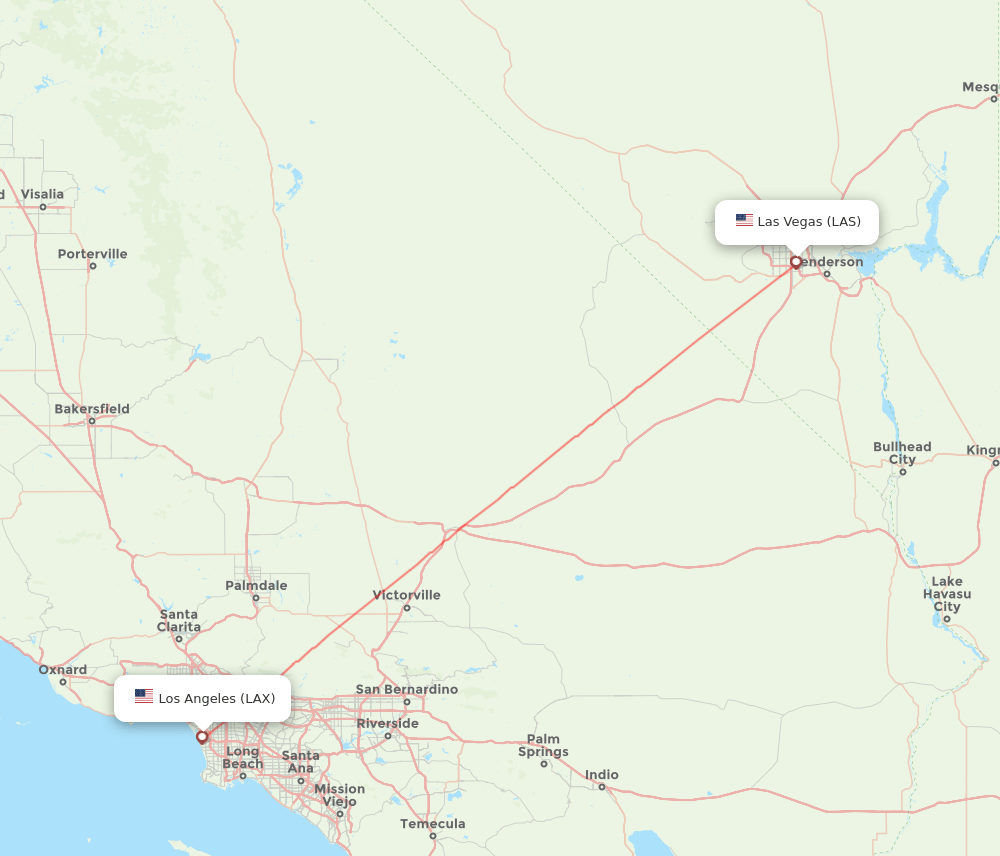
Alternatively, driving via Interstate 15 offers a landscape that aviation cannot replicate. The drive, which takes approximately four to five hours depending on traffic, allows for stops at unique locations like Seven Magic Mountains or the quirky roadside stops in the Mojave Desert. For those who enjoy the journey as much as the destination, the car provides a sense of freedom that the rigid schedule of an airline simply cannot offer. However, travelers should be warned that the Cajon Pass can become a significant bottleneck on Sunday afternoons and holiday weekends, often adding hours of frustration to an otherwise scenic drive.
Strategic Planning for the Modern Traveler
To ensure your transition between these two iconic cities is as smooth as possible, consider these professional travel tips.
Scheduling and Timing
Flight frequency between Las Vegas and Los Angeles is exceptionally high, with dozens of daily non-stop departures. If you have the flexibility, mid-week flights are almost always cheaper and less prone to the delays associated with the heavy Friday and Sunday travel surges.
Luggage and Connectivity
Since the flight duration is so short, many frequent flyers opt for “carry-on only” travel. Minimizing your luggage eliminates the time spent at baggage claim, which is a major factor in the total duration of your travel day. Additionally, be aware that because of the short duration of the flight, inflight entertainment and Wi-Fi services may not be fully available or may be interrupted by the rapid ascent and descent phases of the flight.
Connecting Through Major Hubs
Many travelers utilize Los Angeles as a gateway for international travel to Asia or Australia. If you are using this flight as a leg of a larger journey, always ensure your layover at LAX is substantial. The airport’s infrastructure, while impressive, requires passengers to move between different terminals, which can be an extensive walk or a shuttle ride. Protecting your connection with at least three hours of cushion is highly advisable, as even a minor delay on your initial flight could impact your international itinerary.
Ultimately, whether you choose the efficiency of the skies or the scenic route on the ground, the transition from the arid beauty of Nevada to the urban sophistication of California is a quintessential American travel experience. By understanding the timing and logistical requirements of your chosen path, you can maximize your time spent enjoying the attractions of these two vibrant, world-class destinations.
LifeOutOfTheBox is a participant in the Amazon Services LLC Associates Program, an affiliate advertising program designed to provide a means for sites to earn advertising fees by advertising and linking to Amazon.com. Amazon, the Amazon logo, AmazonSupply, and the AmazonSupply logo are trademarks of Amazon.com, Inc. or its affiliates. As an Amazon Associate we earn affiliate commissions from qualifying purchases.