
New York City is a metropolis defined by its rhythm, its towering skyline, and its distinct seasonal shifts. For travelers and locals alike, the question of “how hot is it” is not merely a query about a thermometer reading; it is a vital consideration for navigating the concrete jungle. Understanding the nuances of New York City weather is essential for planning an itinerary that balances outdoor exploration with the comfort of climate-controlled environments.
The Dynamics of the Urban Heat Island Effect
When discussing temperatures in a massive urban environment, one must account for the unique phenomenon known as the Urban Heat Island (UHI) effect. While the national weather report might suggest a moderate temperature, the reality on the ground in Manhattan can feel significantly more intense.
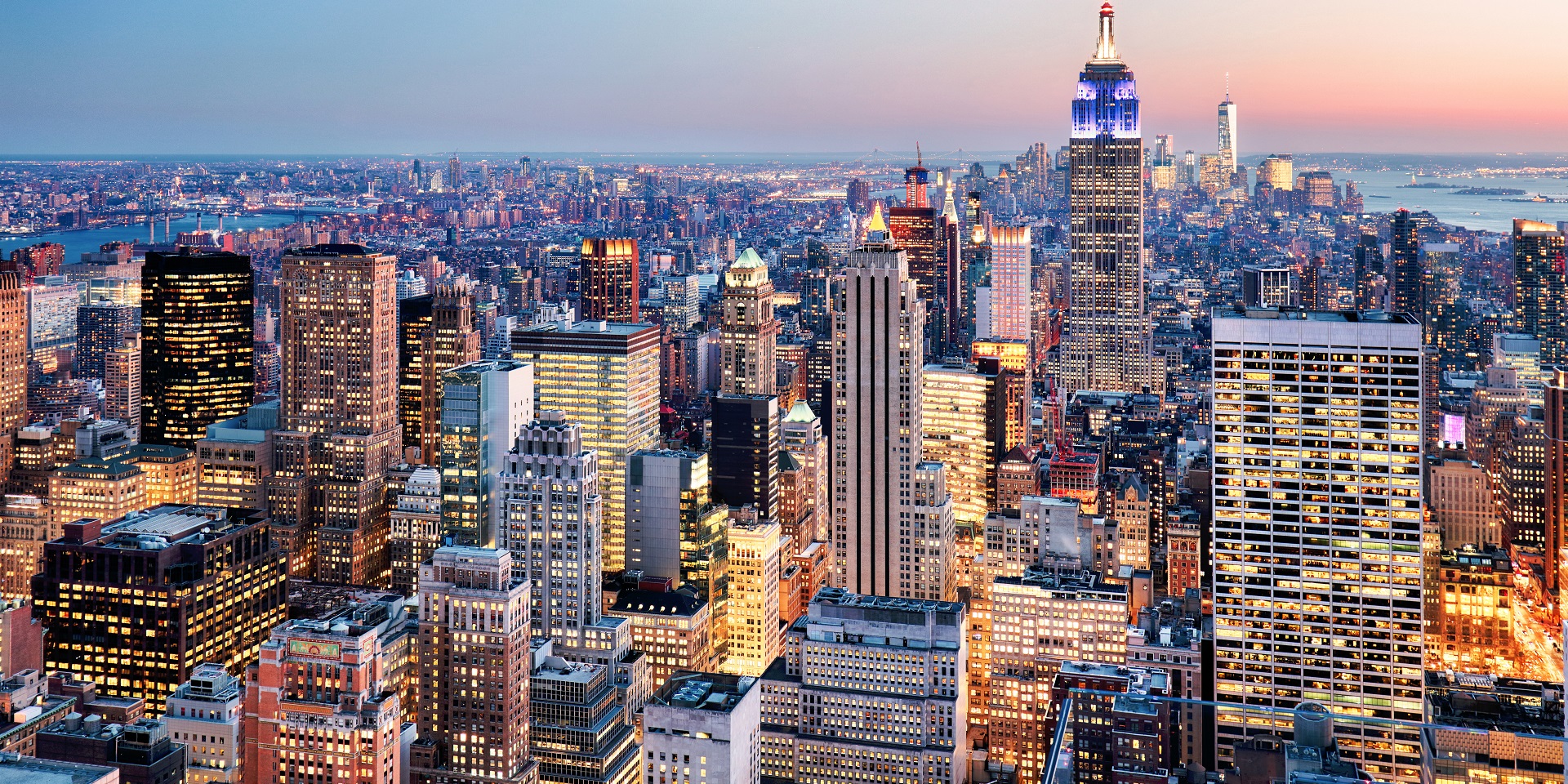
Why Manhattan Feels Like an Oven
The density of steel, glass, and asphalt creates a heat-retention trap. Buildings in Midtown Manhattan absorb solar radiation throughout the day and slowly release it during the night, preventing the city from cooling down effectively. When you walk past the Empire State Building on a mid-July afternoon, the ambient temperature can easily be five to ten degrees higher than in the surrounding suburban areas or the green lungs of Central Park.
Humidity and the “Real Feel”
Humidity is the silent thief of comfort in New York. During the peak of summer, moisture levels from the Atlantic Ocean often collide with the city’s heat. This creates a high dew point, making the air feel thick and heavy. A temperature of 88°F (31°C) can quickly reach a “real feel” or heat index of 98°F (37°C), making it challenging to traverse the city’s grid without careful planning.
Seasonal Fluctuations and Tourism Planning
New York City’s climate is humid continental, meaning it experiences all four seasons in stark contrast. Timing your visit requires an understanding of how these temperature swings influence your ability to enjoy the city’s myriad attractions.
The Peak Heat of Summer
From late June through August, New York enters its high-temperature phase. This is arguably the most challenging time for travelers who are not accustomed to stifling humidity. However, this is also when the city comes alive with outdoor festivals, rooftop bar sessions, and vibrant street life. If you are visiting during this window, prioritize visiting the High Line early in the morning to avoid the midday sun, and spend your afternoons wandering through the climate-controlled galleries of the Metropolitan Museum of Art.
Shoulder Seasons: The Sweet Spot
Many seasoned travelers prefer the shoulder months of May/June or September/October. During these periods, the thermometer typically rests in the comfortable 65°F to 78°F (18°C to 25°C) range. This is the perfect climate for walking across the Brooklyn Bridge or enjoying a ferry ride to see the Statue of Liberty. The air is crisp, the humidity is manageable, and the city’s walkability reaches its peak.

Dealing with Winters and Sudden Cold
Conversely, winter in United States can be brutally cold. While the question of “how hot is it” dominates summer planning, winter visitors must prepare for wind chill factors that make temperatures drop well below freezing. When the wind funnels through the canyons of Wall Street, the temperature can plummet, requiring high-quality thermal layers regardless of what the digital forecast might suggest.
Strategies for Staying Comfortable in the City
Regardless of whether you are visiting during a heatwave or a mild autumn day, navigating a city as expansive as New York requires a strategy to maintain your physical comfort.
Leveraging Public Spaces and Indoor Retreats
The city is equipped with an extensive underground network and vast indoor public spaces. If the heat becomes overwhelming, ducking into the Grand Central Terminal provides not only a reprieve from the temperature but also a masterclass in Beaux-Arts architecture. Similarly, the Rockefeller Center concourse offers numerous cooling options and dining experiences that are perfectly shielded from the elements.
The Importance of Hydration and Footwear
When temperatures rise, the city demands more from your body. Walking several miles a day—a standard expectation for tourists in New York—can be grueling in 90-degree heat.
- Hydration: Always carry a reusable water bottle. While you can purchase water anywhere, the convenience of refilling at public fountains is a lifesaver.
- Clothing: Choose breathable, lightweight fabrics like linen or moisture-wicking synthetics. Dark colors absorb heat; opt for lighter shades to stay cool.
- Footwear: Your feet will swell in the heat. Ensure your walking shoes provide adequate ventilation and support to prevent blisters, which are far more common when the pavement is radiating heat.
Utilizing Green Spaces
When the concrete feels like it is closing in, the city offers several tactical retreats. Prospect Park in Brooklyn is significantly cooler than the downtown core due to its expansive tree canopy and lack of high-rise obstruction. Similarly, a quick trip to Governors Island allows you to catch the harbor breeze, which is often the only way to escape the stifling stillness of a city heatwave.
Weather Awareness for a Better Travel Experience
Ultimately, the temperature in New York City is a factor that dictates the flow of your day. It determines whether you should opt for a crowded subway car—where the platforms can be significantly hotter than the surface—or a scenic bus ride, or perhaps a leisurely stroll through one of the boroughs.
Checking the Local Forecast
Never rely solely on generalized national weather apps. Utilize local news outlets or the official National Weather Service site for New York, which provides specific data on the UHI and heat advisories. If an advisory is issued, it is wise to pivot your plans toward indoor activities, such as exploring the diverse collections at the American Museum of Natural History or catching a show in the Broadway district, where the theater air conditioning is legendary for its reliability.

Embracing the Elements
New Yorkers are experts at adapting to their climate. In the summer, they flock to Coney Island to enjoy the ocean breeze, and in the winter, they cozy up in Greenwich Village cafes. By observing how locals move through the city, you can learn to predict the best times to be outdoors.
The heat of New York is part of its character—a fierce, energetic force that mirrors the spirit of the people who live here. By preparing for it, staying hydrated, and knowing when to retreat to a shaded park bench or a cool museum gallery, you ensure that your trip remains an enjoyable exploration rather than a test of endurance. Whether you are climbing to the top of the One World Trade Center or walking the streets of SoHo, remember that in New York, the weather is just another layer of the city’s complex and captivating personality.
LifeOutOfTheBox is a participant in the Amazon Services LLC Associates Program, an affiliate advertising program designed to provide a means for sites to earn advertising fees by advertising and linking to Amazon.com. Amazon, the Amazon logo, AmazonSupply, and the AmazonSupply logo are trademarks of Amazon.com, Inc. or its affiliates. As an Amazon Associate we earn affiliate commissions from qualifying purchases.