
When contemplating a major life transition while residing in New York, the legal process of dissolution can often feel as daunting as planning a cross-continental expedition. Much like organizing a complex itinerary through the bustling streets of Manhattan or seeking tranquility in the Catskill Mountains, navigating the timeline of a New York divorce requires patience, preparation, and a clear understanding of the regulatory landscape. While many hope for a swift resolution, the actual duration is contingent upon a variety of factors, ranging from the complexity of assets to the emotional state of the parties involved.

Understanding the Legal Timeline and Mandatory Waiting Periods
The journey toward finalizing a divorce in the Empire State does not begin with a sprint, but rather a structured procedural framework. Unlike some jurisdictions where a “quick fix” might be available, New York maintains specific statutory requirements designed to ensure that both parties have ample time to consider the gravity of the decision.
The Residency Requirement
Before the clock even begins to tick on the divorce process itself, one must satisfy the jurisdictional requirements. To file for divorce in New York State, at least one spouse must have resided in the state for a continuous period of at least two years immediately preceding the commencement of the action. Alternatively, if both parties were married in the state and lived there as a married couple, the residency requirement is reduced to one year. This initial hurdle is the “check-in” phase of the process; without satisfying this, the legal journey cannot commence, much like being unable to board a flight without a valid passport.
The Grounds for Divorce
The timeline is heavily influenced by the chosen grounds for divorce. New York transitioned to “no-fault” divorce, allowing parties to cite an “irretrievable breakdown” of the marriage for a period of at least six months. Choosing the no-fault route is akin to booking a direct flight; it is generally the most straightforward path. Conversely, seeking a fault-based divorce—citing cruelty, abandonment, or adultery—requires the production of evidence and testimony, which can significantly extend the timeline, much like opting for a multi-stop train journey across the United States that involves several unplanned layovers.
Factors That Prolong the Resolution Process
Just as an unexpected storm might delay a ferry departure from Staten Island or a transit strike could disrupt travel plans in Brooklyn, several variables can turn a relatively simple divorce into a protracted affair.
Asset Valuation and Division
High-net-worth divorces or those involving complex property portfolios—such as brownstones in Park Slope or vacation homes in The Hamptons—naturally require more time. Forensic accounting, property appraisal, and the division of retirement accounts or business interests are meticulous tasks. When couples cannot agree on the fair market value of their shared lifestyle assets, the legal proceedings expand to include expert witnesses and extensive discovery, pushing the completion date further into the future.

Custody and Support Disputes
The most significant time-consuming elements are almost always related to children. When parents are unable to reach an agreement regarding custody, visitation schedules, or child support, the court must intervene. This often involves appointing a law guardian, conducting home visits, and scheduling multiple court appearances. Much like planning a family vacation with conflicting schedules and destination preferences, the need to prioritize the best interests of the children adds layers of complexity that cannot be rushed.
Expediting the Process: Strategies for Efficiency
While the legal system in Albany or Buffalo may seem rigid, there are ways to ensure that the process moves at a steady pace, similar to utilizing expedited security lanes at a major airport like JFK International Airport.
The Power of Mediation and Settlement
The most effective way to shorten the timeline is through out-of-court settlement. Mediation allows couples to bypass the adversarial nature of litigation. By working with a neutral third party, couples can craft a custom separation agreement that addresses their unique needs. When both parties are committed to a resolution, the court’s role shifts from a judge overseeing a battle to a clerk processing a finalized agreement. This path is often comparable to a pre-arranged, all-inclusive luxury getaway—everything is planned in advance, minimizing the friction and confusion that usually accompany independent travel.
Collaborative Law
Another alternative is the collaborative law approach. In this setting, each party is represented by an attorney trained in collaborative processes, and both agree to settle the case out of court. If the process breaks down, the attorneys must withdraw, which provides a strong incentive for all parties to keep the process moving efficiently. This structured cooperation significantly reduces the time spent waiting for court dates, which can be the most significant source of delay in the traditional litigation calendar.
Managing Expectations in the New York Legal Climate
When reflecting on the timeline of a divorce, it is important to remember that the geography of the court system matters. A divorce filing in Queens might experience a different pace than one in Westchester County. Local court congestion, the availability of judges, and the volume of pending cases all contribute to the “travel time” of your case.
Realistic Timelines
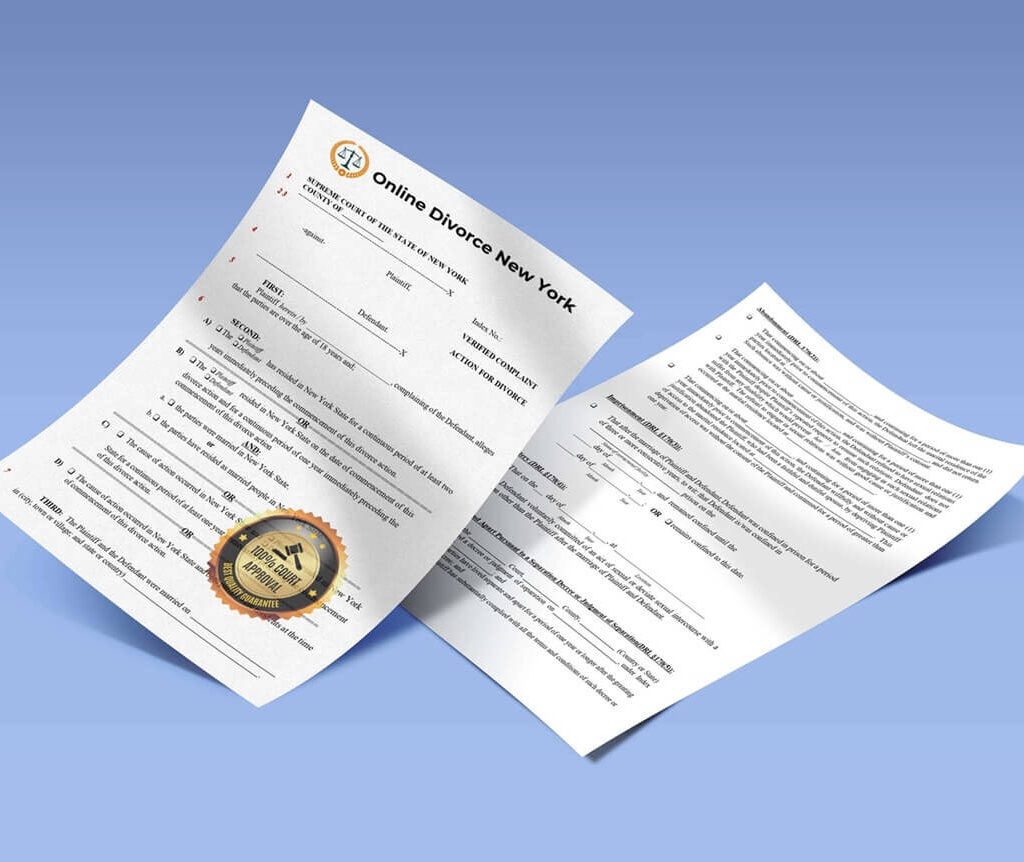
For an uncontested divorce where all terms are settled, the process can take anywhere from three to six months. This accounts for the drafting of documents, the mandatory waiting period for the court to review the paperwork, and the administrative processing time. If the divorce is contested and requires litigation, the process can easily stretch into a year or even two. Expecting a rapid resolution in a complex contested case is often unrealistic, much like expecting to traverse the entire Hudson Valley on foot in a single afternoon.
The Role of Professional Guidance
Just as one might consult a travel expert when navigating a trip to a foreign destination, engaging a qualified matrimonial attorney is essential. An experienced professional understands the nuances of the local judiciary and can advise on whether your expectations align with the reality of the court’s calendar. They can assist in preparing the necessary documentation correctly the first time, preventing the common administrative “lost luggage” scenarios that cause unnecessary delays.
In conclusion, while the question of “how long” remains fluid, the answer largely resides in the choices made by the individuals involved. By choosing transparency over conflict and mediation over litigation, the transition period can be navigated with the same level of poise and efficiency required for any well-planned journey through the diverse and vibrant landscapes of New York City. Whether your destination is a new beginning or simply the end of a chapter, approaching the process with preparation and a clear strategy is the surest way to reach the finish line.
LifeOutOfTheBox is a participant in the Amazon Services LLC Associates Program, an affiliate advertising program designed to provide a means for sites to earn advertising fees by advertising and linking to Amazon.com. Amazon, the Amazon logo, AmazonSupply, and the AmazonSupply logo are trademarks of Amazon.com, Inc. or its affiliates. As an Amazon Associate we earn affiliate commissions from qualifying purchases.