
Traveling between the expansive landscapes of Texas and the vibrant urban corridors of New York is a journey that links two of the most significant cultural and economic hubs in the United States. Whether you are heading to the financial canyons of Manhattan for a high-stakes business meeting or seeking the soulful barbecue pits of Austin, understanding your transit time is the first step in successful trip planning. While the term “Texas to New York” implies a straightforward route, the reality involves varying departure points, weather patterns, and flight configurations that influence your time in the air.

Understanding Flight Durations Between Major Hubs
The duration of your flight is primarily determined by which cities you are departing from and arriving at. Texas is a massive state, and New York serves multiple major airports, meaning your experience can range from a comfortable three-hour hop to a more taxing four-hour journey.
From Dallas-Fort Worth to the Big Apple
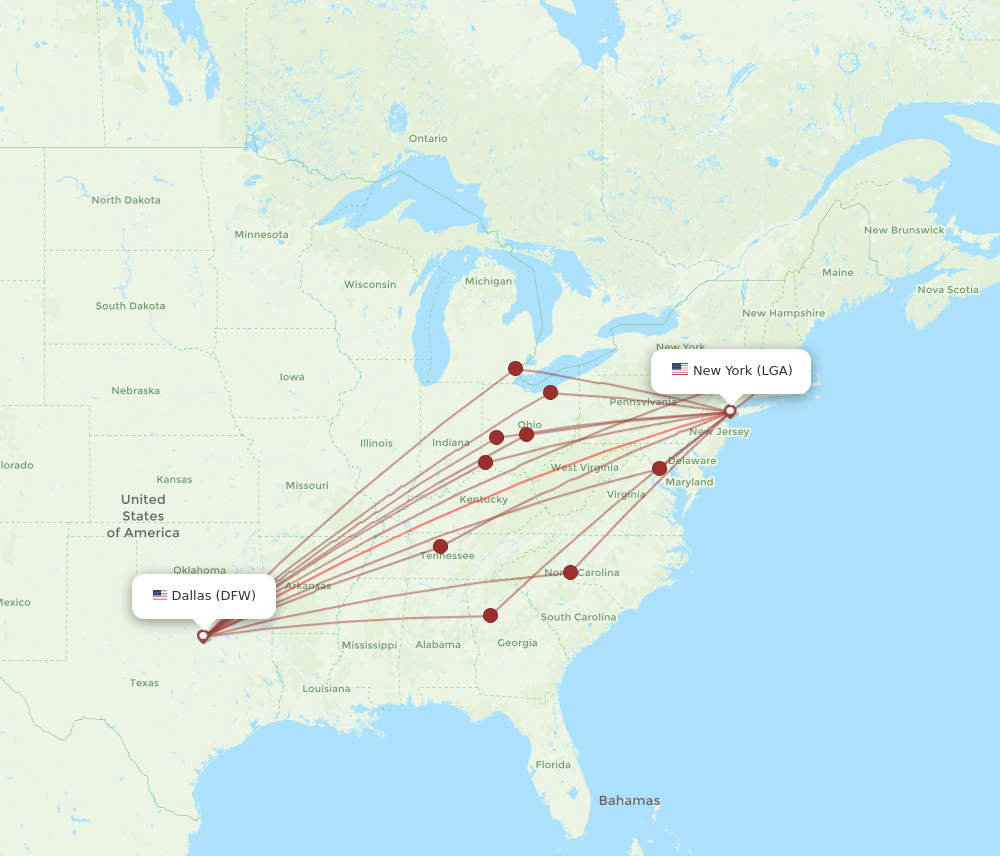
The route between Dallas-Fort Worth International Airport and the airports serving New York City—John F. Kennedy International Airport, LaGuardia Airport, and Newark Liberty International Airport—is one of the most frequently traveled paths in the country. On average, a non-stop flight from Dallas to any of these New York terminals takes approximately 3 hours and 15 minutes. This timeframe accounts for typical taxiing and flight patterns, though prevailing winds can sometimes shorten this duration by twenty minutes or extend it depending on the season.
The Houston Connection
Travelers departing from George Bush Intercontinental Airport in Houston will find that the flight time is slightly longer compared to Dallas. Due to the added geographic distance, passengers can expect an average flight time of roughly 3 hours and 30 minutes to 3 hours and 45 minutes. When you are flying from Texas, these flights are usually categorized as medium-haul domestic routes, providing enough time to enjoy a standard in-flight service or catch up on work before landing in the bustling Northeast.
Factors That Influence Your Time in the Air
While the scheduled time on your ticket is your baseline, several external variables can shift your arrival time. Understanding these factors allows for better expectation management and more efficient scheduling for your ground transportation or meetings upon arrival.
Atmospheric Conditions and Jet Streams
The jet stream—a high-altitude, fast-moving wind current—plays a significant role in aviation. When flying from Texas to New York, aircraft often fly with a tailwind. This boost can significantly decrease your time in the air, sometimes resulting in early arrivals. Conversely, return flights often face a headwind, which is why your return trip from New York to Texas might feel like it takes a bit longer, even over the same physical distance.

The Impact of Air Traffic Control
New York City airspace is among the most congested in the world. Even if your flight makes excellent time during the cruise phase, it is not uncommon to experience “holding patterns” as your pilot waits for a landing slot at airports like LaGuardia Airport or Newark Liberty International Airport. During peak travel times, such as the early morning rush or late evening, these delays can add anywhere from 15 to 45 minutes to your total travel time.
Direct vs. Connecting Flights
Choosing a non-stop flight is the most efficient way to travel between these two regions. However, if your budget or itinerary requires a connecting flight—perhaps through a hub like Atlanta or Charlotte—your total travel time will increase substantially. A connection can easily turn a 3.5-hour journey into a 6-to-8-hour ordeal. It is essential to weigh the cost savings of a connecting flight against the loss of time, especially for time-sensitive business trips to Manhattan.
Optimizing Your Travel Experience
Maximizing your efficiency when flying from the Lone Star State to the Empire State requires a blend of smart booking and an understanding of airport dynamics.
Choosing the Right Airport in New York
Your choice of destination airport in New York depends heavily on where you intend to stay or conduct business.
- John F. Kennedy International Airport: Generally better for international connections or access to Brooklyn and parts of Queens.
- LaGuardia Airport: The closest option to Midtown Manhattan, often preferred by business travelers, though it lacks direct train access to the New York City Subway.
- Newark Liberty International Airport: Located in New Jersey, this hub offers excellent train connectivity directly into Penn Station, making it a convenient choice for those staying on the West Side of Manhattan.
Travel Tips for the Modern Passenger
- Prioritize Morning Flights: Early departures are statistically less likely to encounter significant air traffic delays, as the ripple effect of weather or technical issues across the national airspace system has not yet built up.
- Utilize Mobile Apps: Airlines provide real-time updates on gate changes and potential delays. Keeping an eye on your airline’s app allows you to pivot quickly if your schedule changes.
- Prepare for Ground Transit: The flight is only one part of the journey. Research your ground transport options from the airport to your final destination in New York City before you depart Texas. Traffic between JFK and Midtown Manhattan can sometimes take longer than the flight itself.
The Intersection of Culture and Transit
The flight between Texas and New York serves as a bridge between two distinct ways of life. Whether you are transitioning from the wide-open spaces of the Hill Country to the dense, electric energy of Times Square, or leaving the corporate towers of Houston for the historic brownstones of Brooklyn, the travel time is a brief intermission.
While you might only spend a few hours in the air, these hours are essential for transitioning your mindset. By selecting the right departure airport, monitoring weather conditions, and planning for your landing, you ensure that your transition between these two iconic states is as seamless as possible. The flight from Texas to New York may be relatively short, but with the right preparation, it becomes a comfortable and efficient part of your overall travel narrative.
LifeOutOfTheBox is a participant in the Amazon Services LLC Associates Program, an affiliate advertising program designed to provide a means for sites to earn advertising fees by advertising and linking to Amazon.com. Amazon, the Amazon logo, AmazonSupply, and the AmazonSupply logo are trademarks of Amazon.com, Inc. or its affiliates. As an Amazon Associate we earn affiliate commissions from qualifying purchases.