
When planning a Sunshine State getaway, travelers often find themselves weighing the vibrant energy of the Atlantic coast against the serene, sunset-drenched beauty of the Gulf of Mexico. Transitioning from the bustling, neon-lit streets of Miami to the relaxed, coastal charm of Fort Myers is a journey across the heart of Florida. Understanding the distance, the terrain, and the best ways to traverse this cross-peninsula route is the first step in curating a perfect Floridian itinerary.
The Geography of the Cross-State Journey
The physical distance between these two iconic cities is approximately 150 miles, depending on your starting point in the greater Miami-Dade County area and your specific destination within Lee County. While 150 miles might seem modest on a map, the experience of the drive is defined by the geography of the Everglades, which sits prominently between the two hubs.

Taking the Fastest Route: Alligator Alley
Most travelers opt for the most direct path, which utilizes Interstate 75. Known famously as “Alligator Alley,” this stretch of highway cuts directly across the southern tip of the state. It is a marvel of engineering that connects the Atlantic side of Florida to the Gulf side.
Driving via I-75 usually takes between two and a half to three hours under normal traffic conditions. The beauty of this route lies in its stark, raw simplicity. You are driving through a protected wetland ecosystem where the horizon seems to stretch infinitely. While the scenery is somewhat repetitive—dominated by sawgrass, canals, and the occasional sighting of local wildlife—it is arguably the most efficient way to bridge the gap between the urban jungle of South Florida and the tranquil beaches of the Gulf Coast.
Taking the Scenic Route: Tamiami Trail
For those who are not in a rush and prefer to avoid the high-speed monotony of the interstate, Tamiami Trail, or U.S. Route 41, offers an alternative. This route takes you through the heart of Everglades National Park. It is significantly slower, often adding an extra hour or more to your travel time, but the trade-off is unparalleled access to nature. Along this path, you might stop at the Shark Valley Visitor Center or explore the quiet boardwalks that define the Big Cypress National Preserve. This option is ideal for travelers who view the journey itself as a primary component of their vacation.
Logistics and Travel Tips for the Road
Driving between two major metropolitan areas requires a bit of logistical planning, especially in a state known for its unpredictable weather and seasonal tourist traffic. Whether you are driving your own vehicle or opting for a rental, having a plan will ensure your trip remains stress-free.
Managing Traffic and Timing
The route between Miami and Fort Myers is heavily influenced by the time of day and the time of year. During the winter months, specifically between January and April, Florida experiences a surge in “snowbird” traffic. During these peak periods, I-75 can become congested, particularly around Naples, a popular stop-over point between the two cities.
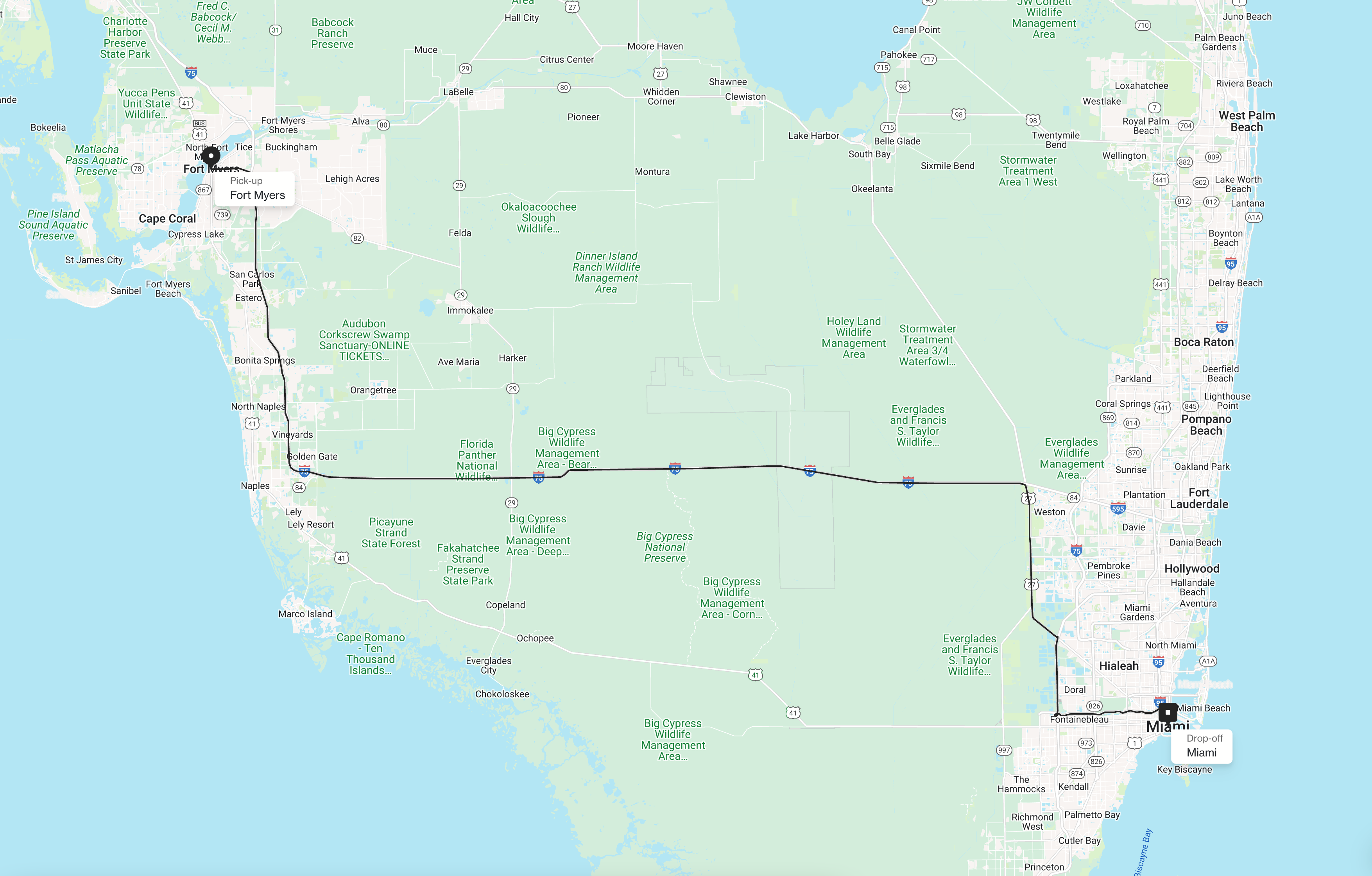
To minimize travel time, aim to depart outside of the morning and evening rush hours of the major hubs. If you are leaving from Downtown Miami, the congestion leading up to the highway entrance can be significant. Leaving early in the morning—around 9:00 AM—or mid-afternoon often allows for a smoother, faster transition into the open stretches of the drive.
Fuel and Convenience Stops
Because much of the direct route involves traveling through protected environmental areas, services such as gas stations and restaurants are infrequent. Once you leave the urban sprawl of Broward County and enter the stretches of Collier County, the number of exits decreases drastically. It is highly recommended to fill your tank before exiting the more populated areas. If you do find yourself needing a break, Naples serves as the perfect mid-way point to grab lunch or stretch your legs before the final leg of the drive into the Fort Myers region.
From Urban Energy to Coastal Serenity
The transition from the Miami metropolitan area to the shores of the Gulf of Mexico is more than just a change in location; it is a shift in rhythm. Understanding the distance helps you prepare for the psychological adjustment from the high-octane lifestyle of South Beach to the laid-back, shell-collecting culture of Sanibel Island or Fort Myers Beach.
Why the Travel Distance is Worth It
Many travelers wonder if the distance justifies the journey. The answer lies in the distinct difference between the two coastlines. While Miami offers world-class dining, nightlife, and a high-energy urban experience, Fort Myers provides a more grounded, family-friendly, and nature-focused retreat.
By driving across the state, you gain the opportunity to experience the “Old Florida” charm that remains preserved in areas like the Edison and Ford Winter Estates. The distance acts as a gateway; by the time you reach the Caloosahatchee River, you feel a distinct departure from the frenetic pace of the East Coast.
Planning Your Arrival
Upon arriving in Fort Myers, the geography of the area encourages exploration. Unlike the grid-locked urban landscape of Miami, the Fort Myers area is spread out, with various islands and coastal towns connected by bridges. Having your own vehicle is advantageous here, as it allows you to easily travel between Captiva Island, the downtown river district, and the quiet residential neighborhoods that define the region.

Final Considerations for Your Itinerary
Whether you are looking for a weekend escape or a longer vacation, factoring in the travel time is essential for a well-balanced trip. While you can technically make the trip in a single morning, consider stopping at the Corkscrew Swamp Sanctuary or exploring the shops of Third Street South in Naples to turn a simple drive into a memorable excursion.
Always check local traffic apps before you depart, as accidents on the major expressways or unexpected construction can easily add an hour to your trip. By respecting the distance and understanding the unique landscape you are traversing, you can maximize your time on the road and arrive at your destination refreshed and ready to enjoy the unique coastal lifestyle that defines Florida. Whether you are a fan of the vibrant nightlife of the Atlantic or the golden sunsets of the Gulf, the 150-mile span between these two destinations offers a perfect cross-section of what the state has to offer.
LifeOutOfTheBox is a participant in the Amazon Services LLC Associates Program, an affiliate advertising program designed to provide a means for sites to earn advertising fees by advertising and linking to Amazon.com. Amazon, the Amazon logo, AmazonSupply, and the AmazonSupply logo are trademarks of Amazon.com, Inc. or its affiliates. As an Amazon Associate we earn affiliate commissions from qualifying purchases.