
When planning a journey from the bustling streets of New York to the vibrant, sun-drenched landscapes of Brazil, the flight duration is one of the most critical logistical factors to consider. As one of the most popular long-haul routes connecting North America to South America, this trip requires careful preparation. Understanding the nuances of flight times, stopovers, and route variations ensures a smoother transition from the temperate climate of the United States to the tropical rhythms of South America.
Understanding Flight Duration Expectations
The duration of a flight between New York and Brazil is significantly influenced by your specific destination within the massive South American nation. Because Brazil covers a vast geographical area, the time spent in the air can vary based on whether you are landing in the northern hubs or the southern metropolitan centers.

Direct Flight Realities
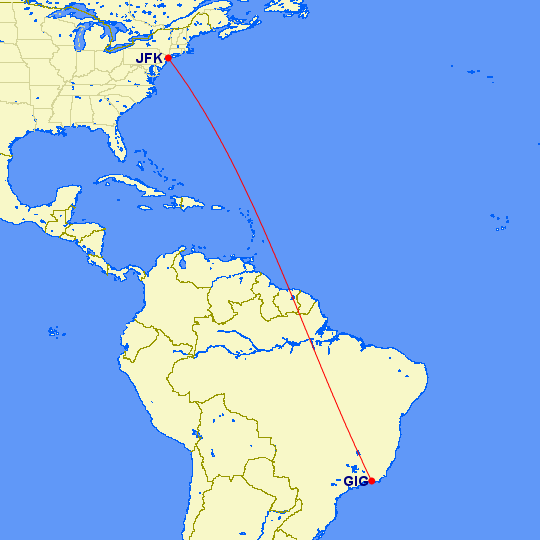
Direct flights from New York—specifically departing from John F Kennedy International Airport—typically service major gateways like Sao Paulo and occasionally Rio de Janeiro. On average, a non-stop flight from New York to Guarulhos International Airport in Sao Paulo takes approximately 9 to 10 hours. This timeframe is consistent for overnight flights, which are standard for this route to maximize daylight hours upon arrival.
Factors Influencing Flight Time
While the distance between New York and Brazil remains constant, several variables can fluctuate the actual time spent in the air:
- Jet Streams: Prevailing winds can either accelerate or slightly lengthen the flight time depending on the direction of travel.
- Flight Pathing: Air traffic control routing and weather patterns over the Atlantic Ocean or Caribbean Sea can cause minor deviations in the flight trajectory.
- Aircraft Performance: Different aircraft models, such as the Boeing 777 or the Airbus A350, have varying cruise speeds that can influence the total duration by several minutes.
Navigating Connecting Flights and Layovers
For travelers not flying directly, or for those heading to secondary cities like Brasilia, Salvador, or Recife, the journey will naturally extend. Connecting flights introduce variables that can turn a 10-hour trip into a 15- to 20-hour expedition.
Strategic Layover Hubs
Connecting flights from New York to Brazil often route through major aviation hubs. Common transit points include:
- Miami International Airport: A primary gateway for Latin American travel, Miami offers frequent connections to multiple Brazil destinations.
- Panama City, specifically through Tocumen International Airport, is another popular transit point that provides efficient access to Northern and Eastern Brazil.
- Bogota at El Dorado International Airport serves as an alternative route, particularly for travelers flying with regional carriers.
Minimizing Travel Fatigue
If you are booking a flight with a layover, consider the total travel time rather than just the air time. A short 45-minute connection may save time but increases the risk of missing a flight, while a longer layover can provide a necessary break from the aircraft cabin. When flying from New York, look for layovers that allow for enough time to clear customs or switch terminals without unnecessary stress.

Seasonal Considerations and Scheduling
Travelers often find that the time of year impacts both the flight experience and the schedule efficiency. Brazil is located in the Southern Hemisphere, meaning its seasons are the inverse of those in New York.
High Season and Peak Travel
During the southern summer—particularly around December and January—flight demand spikes due to holidays and summer vacations. During these peak periods, direct flights from New York may be more expensive and harder to secure, leading many travelers to opt for connecting flights that might extend their overall journey time.
The Impact of Scheduling on Jet Lag
One of the advantages of the route from New York to Brazil is the relatively minor time zone difference. Brazil spans several time zones, but the major business and tourism hubs are usually only one to three hours ahead of Eastern Standard Time. This makes the trip physically easier than flying across the Pacific Ocean or to Europe, as the disruption to the circadian rhythm is minimal.
Tips for a Comfortable Long-Haul Experience
Regardless of whether your flight is 9 hours or 14 hours, preparing for a long-haul flight is essential for arriving refreshed in South America.
Cabin Comfort and Cabin Hygiene
- Hydration: The dry air in aircraft cabins can lead to rapid dehydration. Aim to drink water throughout the flight.
- Movement: On a flight from New York to Brazil, it is important to stand and stretch every few hours to maintain circulation.
- Noise Cancellation: Investing in high-quality noise-canceling headphones can significantly improve your comfort during the long crossing over the Atlantic Ocean.
Choosing the Right Seat
For long-distance flights, seat selection is paramount. If you value sleep, a window seat provides a surface to lean against and ensures you won’t be disturbed by other passengers. If you prefer frequent movement, an aisle seat is the logical choice. Many airlines operating this route offer premium economy or business class options, which provide extra legroom and lie-flat seats that can make the 10-hour journey feel substantially shorter.
Arrival Logistics
Once you land in Brazil, remember to factor in time for immigration and customs. Even with a direct 9-hour flight, getting from the gate to the exit can take an additional hour or more, especially at high-traffic terminals like Guarulhos International Airport. By managing your expectations regarding the total time from “door-to-door,” you can better plan your arrival activities, whether you are heading straight to a hotel in Ipanema or taking a connecting flight to the Amazon Rainforest.
By understanding the flight duration, the role of layovers, and the influence of seasonal patterns, you can effectively plan your transit from New York to the spectacular diverse geography of Brazil. Whether you are traveling for business in Sao Paulo or leisure in Rio de Janeiro, a well-prepared traveler makes the journey a seamless part of the adventure.
LifeOutOfTheBox is a participant in the Amazon Services LLC Associates Program, an affiliate advertising program designed to provide a means for sites to earn advertising fees by advertising and linking to Amazon.com. Amazon, the Amazon logo, AmazonSupply, and the AmazonSupply logo are trademarks of Amazon.com, Inc. or its affiliates. As an Amazon Associate we earn affiliate commissions from qualifying purchases.