
As the hospitality industry evolves to meet changing guest preferences and stringent health regulations, the internal environment of a hotel room has become a focal point of technological innovation. For the modern traveler, understanding the amenities and policies of a stay is paramount. Among the most pressing inquiries for those who enjoy vaping is whether their habits will trigger alarms or incur fines. With non-smoking policies becoming the universal standard across major chains like Marriott International and Hilton Worldwide, the implementation of advanced detection systems has moved from a rarity to a logistical necessity.
The Evolution of Hotel Surveillance and Air Quality Monitoring
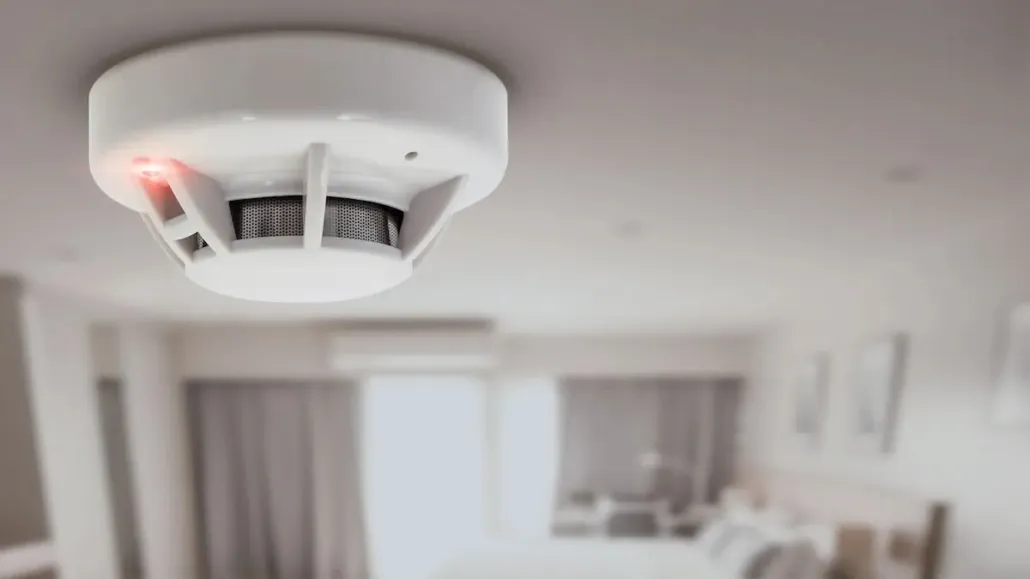
In the past, hotel security primarily relied on traditional smoke detectors that were programmed to identify high concentrations of particulates associated with combustion. However, the rise of e-cigarettes, which produce aerosolized vapor rather than thick, particulate-heavy smoke, necessitated a shift in how hotels monitor indoor air quality.
From Traditional Detectors to Smart Sensors
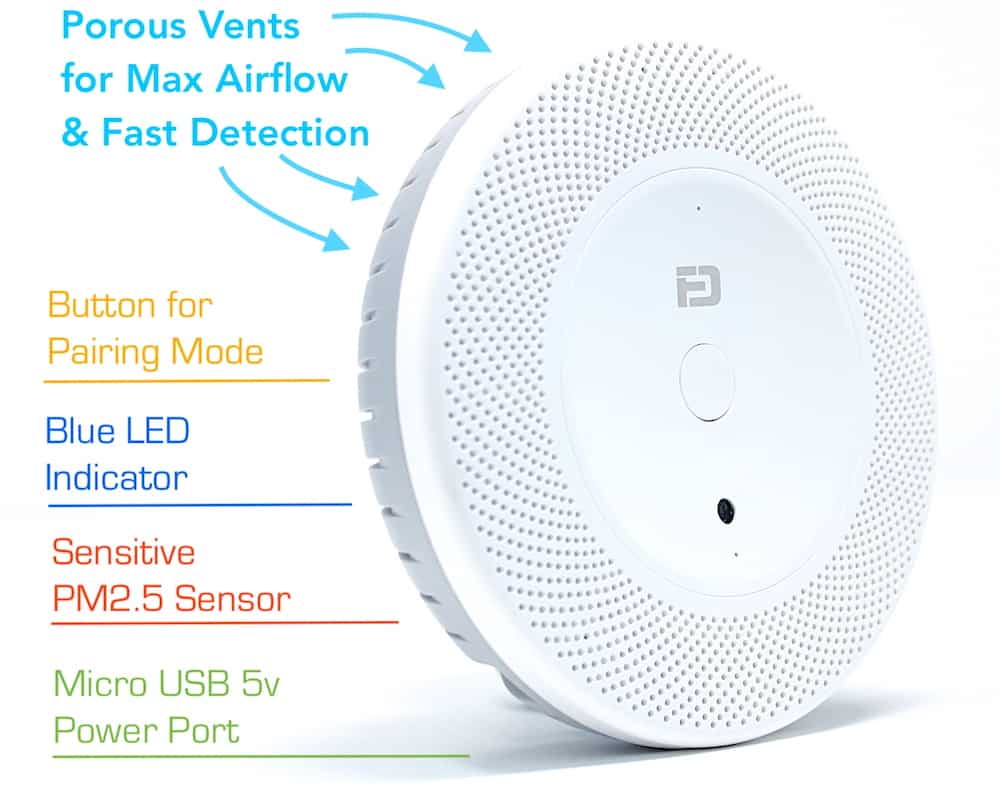
Traditional smoke detectors are often incapable of picking up the finer particles emitted by vapes. This led to a “blind spot” for property managers, particularly in high-end properties like the Four Seasons Resort or the Ritz-Carlton. Modern properties are now increasingly installing specialized smart sensors, such as the Halo Smart Sensor. Unlike legacy systems, these devices monitor for chemicals like propylene glycol, vegetable glycerin, and nicotine, providing real-time data to hotel management if unauthorized vaping occurs.
Where Are These Devices Typically Located?
If a hotel chooses to implement these systems, they are rarely placed in obvious view. You will typically find them mounted on ceilings or high on walls, designed to blend in with standard fire safety equipment. In cities with strict indoor air quality laws, such as New York City or Singapore, the integration of these devices is often part of a broader building management system that monitors humidity, temperature, and carbon dioxide levels alongside particulate matter.
Understanding Hotel Policies and Enforcement
The presence of a detector does not necessarily mean the hotel is actively trying to entrap guests, but it does mean they are actively protecting their asset. The policies regarding vaping are almost always outlined in the fine print of your booking agreement.
The Financial Consequences of Triggering an Alarm
For guests staying in luxury accommodations, such as the Waldorf Astoria, the consequences of vaping in a non-smoking room can be severe. Most properties maintain a strict “no-vaping” policy under the same umbrella as “no-smoking.” If a sensor detects vape residue, the hotel is within its rights to levy a significant cleaning fee. These fees are designed to cover the cost of deep-cleaning carpets, curtains, and upholstery to remove the lingering scent—a process that can force a room out of inventory for several days.
Privacy Concerns vs. Property Management
A common question arises regarding whether these sensors violate guest privacy. Manufacturers of these devices emphasize that they do not record audio or video; they function solely as environmental air monitors. In locations like London or Paris, where data protection laws are robust, hotels must ensure that their sensor systems comply with local privacy regulations while still maintaining a smoke-free environment. For the guest, this means that while your actions are not being recorded, the chemical composition of the air in your room is being analyzed to ensure it meets the hotel’s safety standards.

Best Practices for Travelers
Whether you are checking into a boutique hotel in Tokyo or a massive resort in Las Vegas, the best way to avoid conflict is to understand the house rules before you unpack your bags.
Check the Terms of Service
Before finalizing your reservation, take a moment to review the hotel’s “Guest Policies” or “Terms and Conditions.” Most major brands explicitly state that vaping is treated with the same severity as cigarette smoking. If you see a “No Smoking” icon, assume that this includes all forms of electronic cigarettes, regardless of whether they produce an odor.
Use Designated Areas
If you find yourself staying at a property where the rules are unclear, the safest approach is to utilize the designated smoking or vaping areas. These are often located outside the main building, sometimes near a courtyard or a specific smoking zone. Resorts like Atlantis Paradise Island provide clearly marked areas that allow guests to enjoy their habits without the risk of triggering sensitive indoor alarms or incurring hefty cleaning surcharges.
When in Doubt, Ask
If you are unsure about the policy, a quick call to the front desk or an inquiry during check-in at properties like the Hyatt Regency can save you from a stressful experience. Front desk staff are well-versed in their property’s specific sensor capabilities and can direct you to the nearest outdoor area. Being proactive demonstrates respect for the property and prevents any ambiguity that could lead to financial penalties.
The Future of Hotel Amenities and Air Quality
As sensor technology continues to shrink and improve in accuracy, we can expect to see them become standard in virtually every hotel globally, from the Sheraton to smaller, independent boutique hotels.
The Role of Technology in Sustainability
Beyond just detecting vape smoke, these sensors are part of a larger trend toward “smart hotels.” By monitoring air quality, hotels can optimize their HVAC systems to reduce energy consumption, contributing to more sustainable operations. This technology allows hotels in regions like Dubai to manage their environmental footprint more effectively, ensuring that high-quality air is maintained while minimizing the waste of energy.
A Balancing Act
The goal for modern hotels is to find a balance between guest freedom and the maintenance of a pristine, high-value asset. While the idea of a vape detector may feel intrusive to some, it is essentially a tool used to ensure that the room you check into is as fresh and clean as the room the previous guest checked into. Whether you are visiting the Burj Al Arab or a modest highway hotel, the trend is clear: air quality is a luxury that hotels are investing in heavily, and they have the technology to enforce it.
By staying informed about the policies at your chosen destination and respecting the communal nature of hotel lodging, you can ensure that your stay remains stress-free and that you avoid any unexpected charges. Remember that these policies are not designed to target the individual, but rather to uphold the standards of comfort and health that define the premium hospitality experience. Always prioritize transparency with hotel staff, and when you are in doubt, always step outside to ensure compliance with the property’s guidelines.
LifeOutOfTheBox is a participant in the Amazon Services LLC Associates Program, an affiliate advertising program designed to provide a means for sites to earn advertising fees by advertising and linking to Amazon.com. Amazon, the Amazon logo, AmazonSupply, and the AmazonSupply logo are trademarks of Amazon.com, Inc. or its affiliates. As an Amazon Associate we earn affiliate commissions from qualifying purchases.