
When travelers and weather enthusiasts set their sights on Oklahoma, the conversation almost inevitably shifts toward the state’s powerful atmospheric reputation. Located in the heart of what is globally recognized as “Tornado Alley,” this region serves as a fascinating study in nature’s raw power. Understanding the frequency of tornadoes is not merely a matter of safety; for many, it is a point of intrigue regarding the dynamic climate of the Great Plains.
The Statistical Reality of Oklahoma Twisters
Determining exactly how many tornadoes strike Oklahoma each year requires a look at long-term meteorological data. On average, the state records between 60 and 70 tornadoes annually. However, this number is far from static. Meteorological conditions can vary wildly from one season to the next, influenced by complex interactions between the cold, dry air from the Rocky Mountains and the warm, moist air surging upward from the Gulf of Mexico.
Historical Variance and Volatility
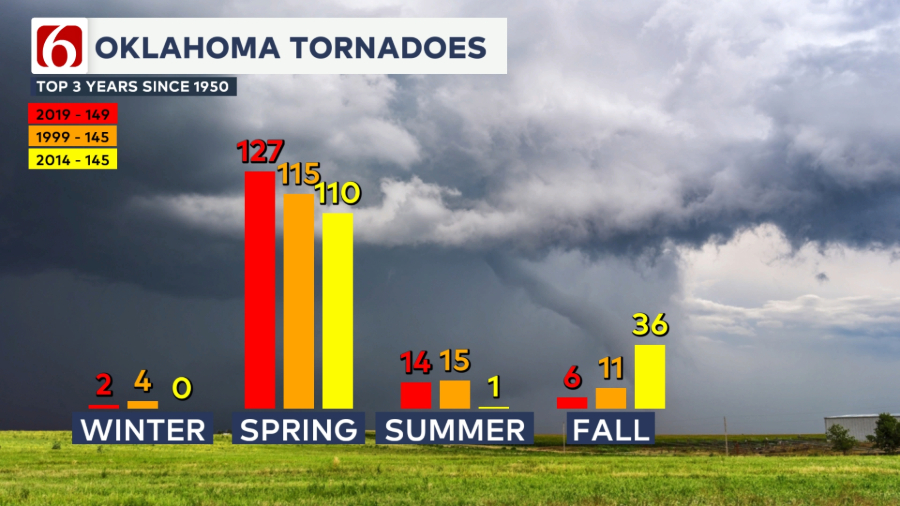
It is important to note that the term “average” is misleading in the context of extreme weather. In a quiet year, the state might experience fewer than 30 confirmed touchdowns. Conversely, during active La Niña or El Niño cycles, that number can surge well past 100. The variability makes Oklahoma a primary laboratory for storm researchers and a destination for those interested in the science of meteorology.
The Seasonal Peak
While tornadoes can occur at any time of year, the “peak” season typically aligns with the spring transition. May is historically the most active month. During this period, the atmospheric instability is at its highest, leading to the development of supercell thunderstorms that define the local landscape. For those visiting during the spring months, understanding these weather patterns is a fundamental part of the regional experience.
Navigating the Geography of Storms
The geography of Oklahoma plays a decisive role in why it experiences such high tornado activity. The state’s flat terrain, particularly in the western and central portions, offers little resistance to the clashing air masses. This creates a corridor where wind shear—the change in wind speed or direction with height—is often significant enough to trigger rotation within storms.
Central Oklahoma: The Bullseye
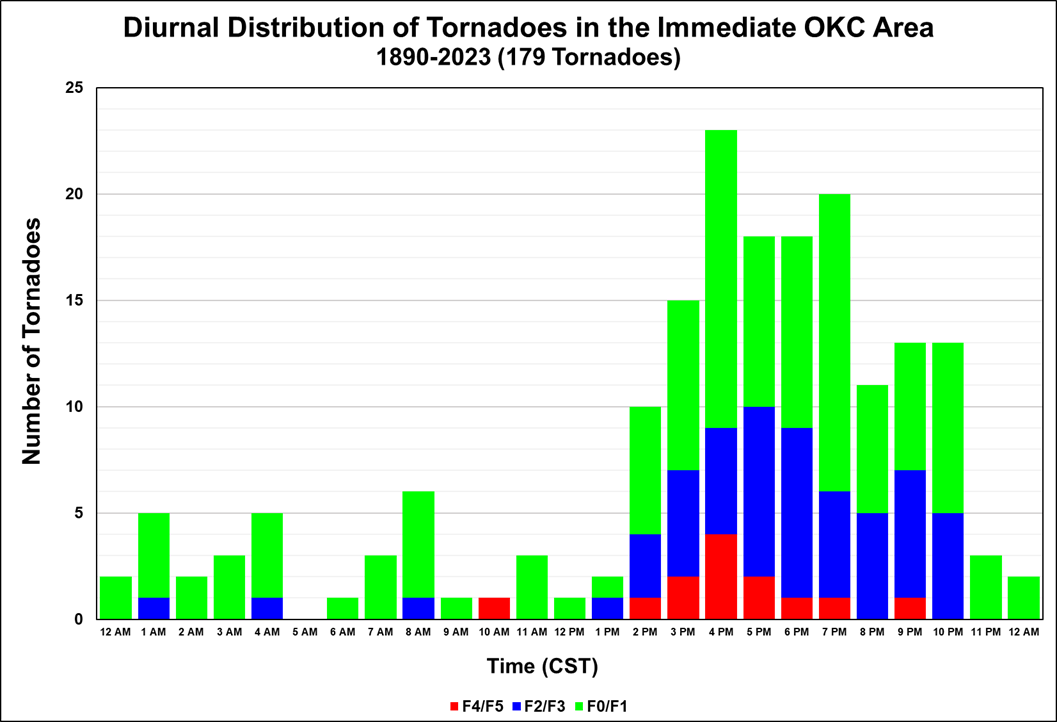
Regions surrounding Oklahoma City frequently find themselves at the center of weather alerts. Because this area sits squarely in the path of the moisture gradient, it sees a high density of convective activity. Notable events have historically occurred near Moore and El Reno, drawing international attention to the meteorological profile of the region.
The Diverse Climate Zones
Not all of the state experiences the same level of risk. As you move eastward toward the Ozark Mountains, the topography changes significantly. While tornadoes still occur in the eastern parts of the state, the rugged terrain and dense forests can sometimes disrupt the surface-level conditions necessary for long-track, intense tornadoes. Visitors exploring the eastern trails or the Green Country region will notice a marked difference in the climate feel compared to the wide-open spaces of the panhandle.
Meteorological Tourism and Safety Education
For many, the mention of tornadoes evokes a sense of awe rather than fear. This has given rise to a specific niche of tourism centered around education and storm observation. Professional storm chasers often base their operations out of hubs like Norman, which is home to the National Weather Center.
The Role of the National Weather Center
The National Weather Center is a beacon for those interested in the science behind the storms. It houses research facilities that advance the accuracy of tornado warnings, which has undoubtedly saved countless lives over the last few decades. Travelers who make a stop here gain a deeper appreciation for the work that goes into predicting these volatile events. It serves as a reminder that Oklahoma is not just a place where tornadoes happen; it is a global leader in understanding them.
Safety Preparedness for Visitors
If your travel itinerary includes a trip through the Great Plains during the spring, safety should be a priority. Local infrastructure is highly advanced, with siren systems and mobile alert technology being standard in most municipalities.
- Stay Informed: Keep a weather radio handy or download a reliable weather app specific to the region.
- Know Your Shelter: If you are staying in a hotel or a rental property, take two minutes to identify the designated interior safe space.
- Monitor Local News: Stations in cities like Tulsa provide exhaustive coverage during severe weather outbreaks, offering the most accurate, ground-level information.
Living with the Sky
The culture of Oklahoma is inextricably linked to the sky. From the vast sunsets that paint the prairies in hues of gold and violet to the sudden, towering cumulonimbus clouds that signal a change in pressure, the environment demands respect. The frequency of tornadoes is a recognized part of life here, fostering a sense of community resilience that is palpable.
Resilience and Rebuilding
One cannot look at the history of these storms without acknowledging the spirit of the people. Communities have consistently proven their ability to recover and rebuild, often emerging stronger and better prepared. This resilience is a hallmark of the Great Plains identity. Visitors often find that the local stories shared in diners and cafes are filled with as much hope and humor as they are tales of past weather events.

A Land of Contrast
Oklahoma remains one of the most intriguing states to explore. It offers a unique blend of Native American history, pioneer heritage, and a modern, high-tech approach to atmospheric science. Whether you are traveling for business, visiting family, or embarking on a road trip across the Route 66 corridor, the state’s weather is a constant, dramatic companion.
While the numbers—60 to 70 tornadoes a year—might seem intimidating on paper, they represent only a tiny fraction of the state’s massive surface area. For the vast majority of days, the weather is clear, the winds are manageable, and the landscape is as beautiful as anywhere else in the United States. By understanding the statistics and respecting the nature of the region, travelers can fully enjoy the unique, wide-open splendor of this corner of the world. The tornadoes are a fleeting, albeit powerful, part of a larger story—a story about the land, the people, and the ever-changing atmosphere of the Southern Plains.
LifeOutOfTheBox is a participant in the Amazon Services LLC Associates Program, an affiliate advertising program designed to provide a means for sites to earn advertising fees by advertising and linking to Amazon.com. Amazon, the Amazon logo, AmazonSupply, and the AmazonSupply logo are trademarks of Amazon.com, Inc. or its affiliates. As an Amazon Associate we earn affiliate commissions from qualifying purchases.