
When planning a trip to New York State, travelers often focus on the glittering skyline of New York City, the mist of Niagara Falls, or the serene beauty of the Adirondack Mountains. However, savvy travelers and those considering long-term stays understand that knowing the medical infrastructure of a region is a vital component of travel safety and logistics. Whether you are navigating the bustling streets of Manhattan or trekking through the Catskill Mountains, understanding the accessibility and distribution of healthcare facilities provides peace of mind.
New York State boasts one of the most robust and sophisticated healthcare networks in the world. With over 200 hospitals ranging from world-renowned academic medical centers to essential community health outposts, the state is uniquely equipped to serve both its permanent residents and the millions of visitors who flock to its borders each year.
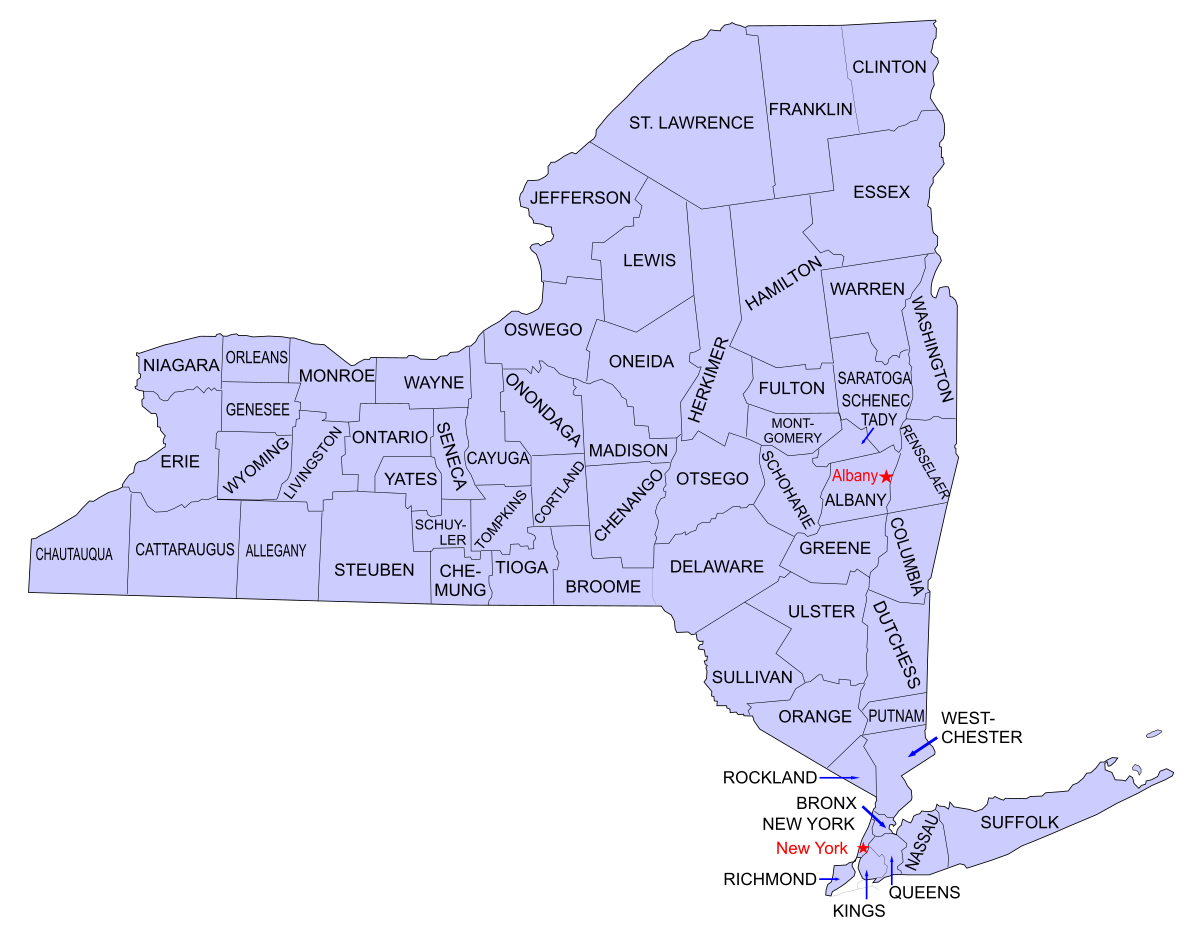
The Landscape of Healthcare in New York
The healthcare infrastructure in New York is defined by its diversity and geographic spread. From the high-density urban centers of Brooklyn and Queens to the rural expanses of the Finger Lakes region, the state ensures that care is never far from where visitors choose to explore.
Urban Concentration and Specialized Care
In major metropolitan hubs, the concentration of hospital beds and specialized trauma centers is significantly higher. Visitors staying in luxury hotels near Central Park or business travelers attending conferences at the Javits Center benefit from proximity to globally recognized institutions. These facilities do more than just provide emergency services; they are hubs of medical innovation. Many of the hospitals in Albany, the state capital, and Buffalo act as regional pillars, supporting the complex needs of a large population.
Rural Access and Community Vitality
Beyond the city lights, the hospitals in the Hudson Valley and Long Island serve a dual purpose. They are not only vital for the local economy and population health but also provide critical access for tourists engaged in outdoor activities. Whether you are skiing in Lake Placid or boating on Lake George, these community hospitals are prepared to handle the unique needs of visitors, ensuring that a minor injury does not derail your vacation.
Navigating Medical Services as a Visitor
For the modern traveler, the “where” is just as important as the “what.” When considering a stay in Saratoga Springs or a road trip through the Thousand Islands, it is helpful to understand how these facilities are categorized.
Understanding Hospital Designations
New York State employs a rigorous system of trauma center designations. Level 1 trauma centers are the most comprehensive, capable of providing total care for every aspect of injury. You will find these concentrated in larger cities like Rochester and Syracuse. For the average traveler, understanding that specialized care is readily available in major hubs allows for more adventurous travel planning, knowing that high-level intervention is reachable regardless of where you are in the state.

Integration with Tourism Infrastructure
In tourist-heavy areas like the Hamptons, the hospital network scales seasonally to meet the influx of visitors. These facilities have adapted to the ebbs and flows of tourism, ensuring that staffing and emergency resources are proportional to the population density at any given time of year. This proactive approach by the state’s healthcare administrators is one of the many reasons New York remains a premier destination for both domestic and international travelers.
Planning for Peace of Mind
Travel safety is a pillar of any successful journey. While we hope for uneventful vacations, knowing the medical resources of your destination adds a layer of comfort.
Tips for Travelers with Medical Needs
- Research Before You Depart: Before heading to a remote area like the Catskills, identify the closest medical facility on a digital map.
- Insurance Preparedness: Ensure your health insurance provider has a network that includes providers in the state. Even in an emergency, knowing if your preferred hospital system is in-network can save significant stress later.
- Emergency Identification: For those traveling with pre-existing conditions, carrying a physical or digital record of your health history is recommended. Many hospitals in cities like Ithaca or Cooperstown utilize advanced digital record-sharing, but having your own information is always a best practice.
The Intersection of Tourism and Public Health
Tourism in New York is not just about the sites; it is about the entire experience. The state has invested heavily in creating a healthcare environment that can support its status as a global tourism leader. When you visit places like Fire Island or explore the historical sites in West Point, you are supported by a state that recognizes that safe, accessible healthcare is fundamental to the traveler’s experience.
Ensuring a Seamless New York Experience
New York State is vast, encompassing a wide range of climates, terrains, and cultures. From the coastal beauty of Montauk to the dense urbanity of the Bronx, the medical landscape is as varied as the geography itself.
A Reliable Network for Every Itinerary
The strength of New York’s healthcare system lies in its interconnected nature. Large hospital systems often have satellite clinics in smaller towns, meaning that specialized care in a city like Binghamton can be seamlessly integrated with primary care elsewhere. For the traveler, this means that wherever you choose to stay—whether it is a boutique hotel in Greenwich Village or a resort in the Catskill Mountains—you are never truly disconnected from high-quality medical support.

Looking Ahead: The Future of Visitor Safety
As tourism continues to evolve in New York, the medical system is also advancing. Telehealth and mobile urgent care units are becoming more common, providing a flexible layer of support for those traveling in the Finger Lakes or attending festivals in Woodstock. These innovations reflect a commitment to ensuring that every visitor feels secure.
Whether you are here for the world-class museums, the breathtaking natural parks, or the vibrant nightlife of Times Square, New York State provides more than just memories. It provides the assurance that comes with a world-class healthcare infrastructure. Knowing that there are over 200 facilities dedicated to public health throughout the state allows you to focus on what truly matters: enjoying your trip to the fullest.
By familiarizing yourself with the distribution of these services, you are not just a visitor; you are an informed traveler, prepared to enjoy the diverse offerings of New York with confidence.
LifeOutOfTheBox is a participant in the Amazon Services LLC Associates Program, an affiliate advertising program designed to provide a means for sites to earn advertising fees by advertising and linking to Amazon.com. Amazon, the Amazon logo, AmazonSupply, and the AmazonSupply logo are trademarks of Amazon.com, Inc. or its affiliates. As an Amazon Associate we earn affiliate commissions from qualifying purchases.