
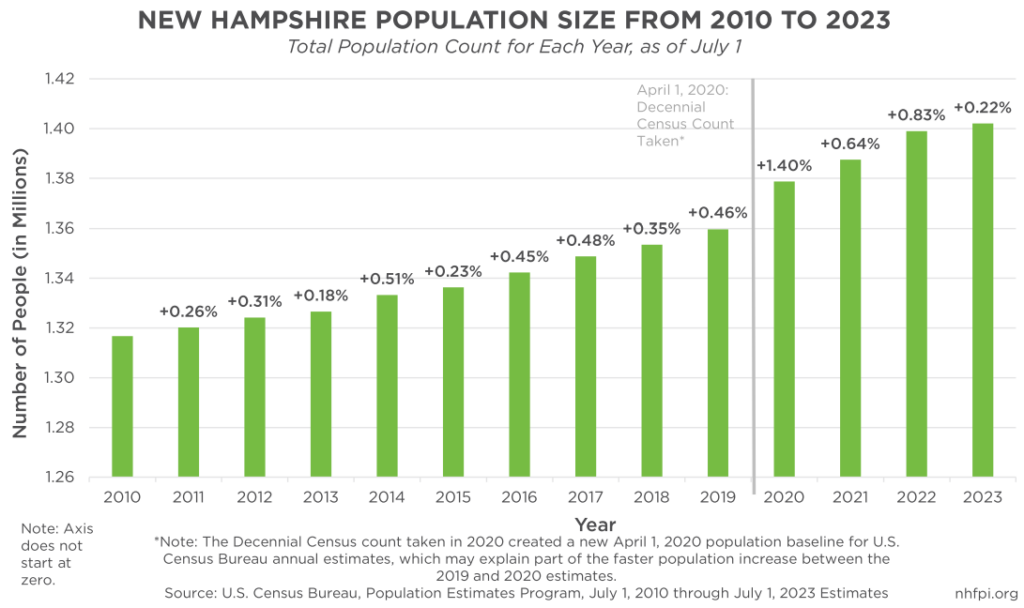
Understanding the demographic landscape of New Hampshire requires more than a simple headcount. Nestled in the heart of New England, this state—often celebrated for its rugged White Mountains and quaint colonial charm—maintains a population that reflects a balance between rural tranquility and suburban expansion. As of recent census data and subsequent projections, the population of the “Granite State” stands at approximately 1.4 million residents. While this figure may seem modest compared to neighboring Massachusetts, the density and distribution of these people offer a unique glimpse into the regional lifestyle and the economic pull of the Northeast.
Demographic Shifts and Population Growth Trends
The population of New Hampshire has experienced steady, albeit controlled, growth over the past several decades. Unlike the rapid urbanization seen in other parts of the United States, this state has prioritized a measured approach to development, preserving its vast tracts of forest and protected natural landscapes.
The Influence of Migration Patterns
A significant driver of the current population count is the influx of residents moving north from the Boston metropolitan area. As remote work becomes a permanent fixture in the modern economy, many professionals are opting for the lower tax burden and higher quality of life found in towns like Nashua and Manchester. This migration has not only bolstered the population numbers but has also shifted the demographic profile toward a younger, more technologically savvy workforce.
Aging Demographics and Workforce Needs
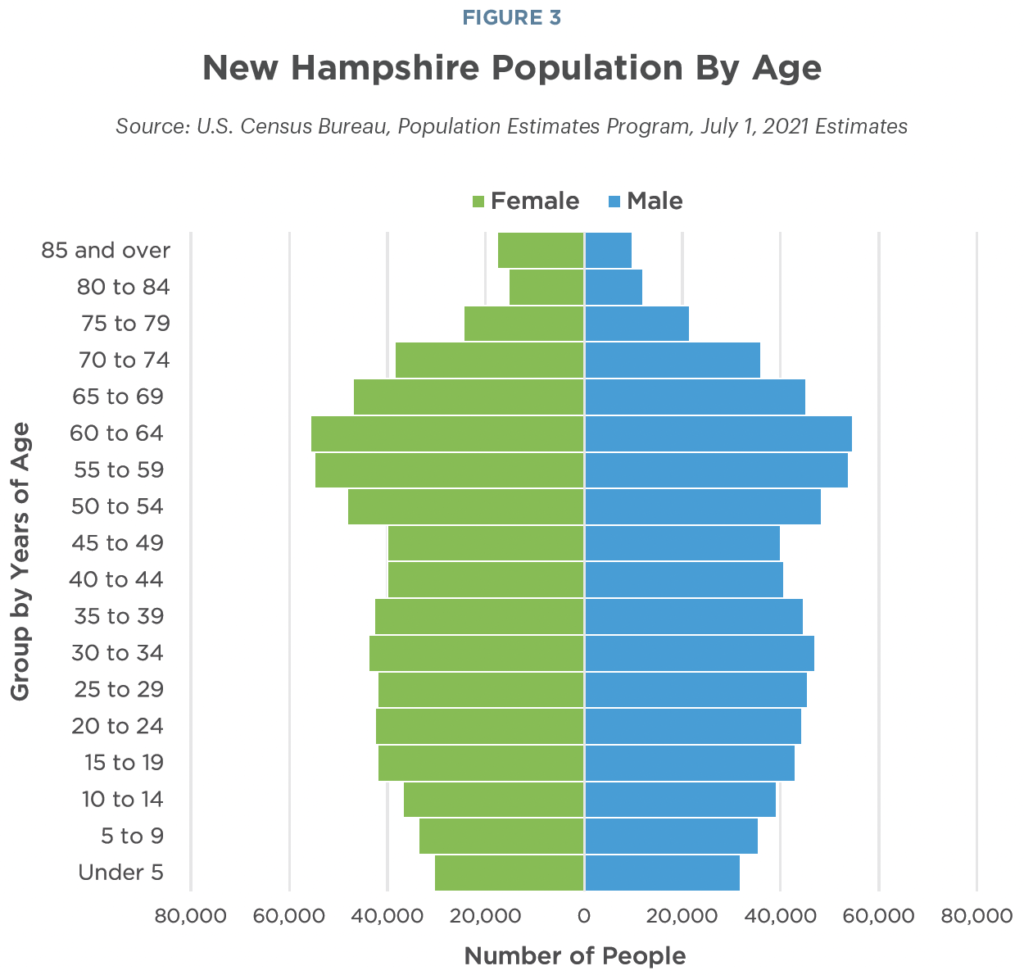
Despite the influx of young families, New Hampshire continues to grapple with an aging population. Much like Vermont and Maine, the state has seen a higher-than-average median age. This demographic reality presents a unique set of challenges for local municipalities, particularly in planning infrastructure, healthcare, and services for retirees who are drawn to the state’s picturesque lake regions and coastal towns like Portsmouth.
Geographical Distribution: Urban Centers vs. Rural Expanses
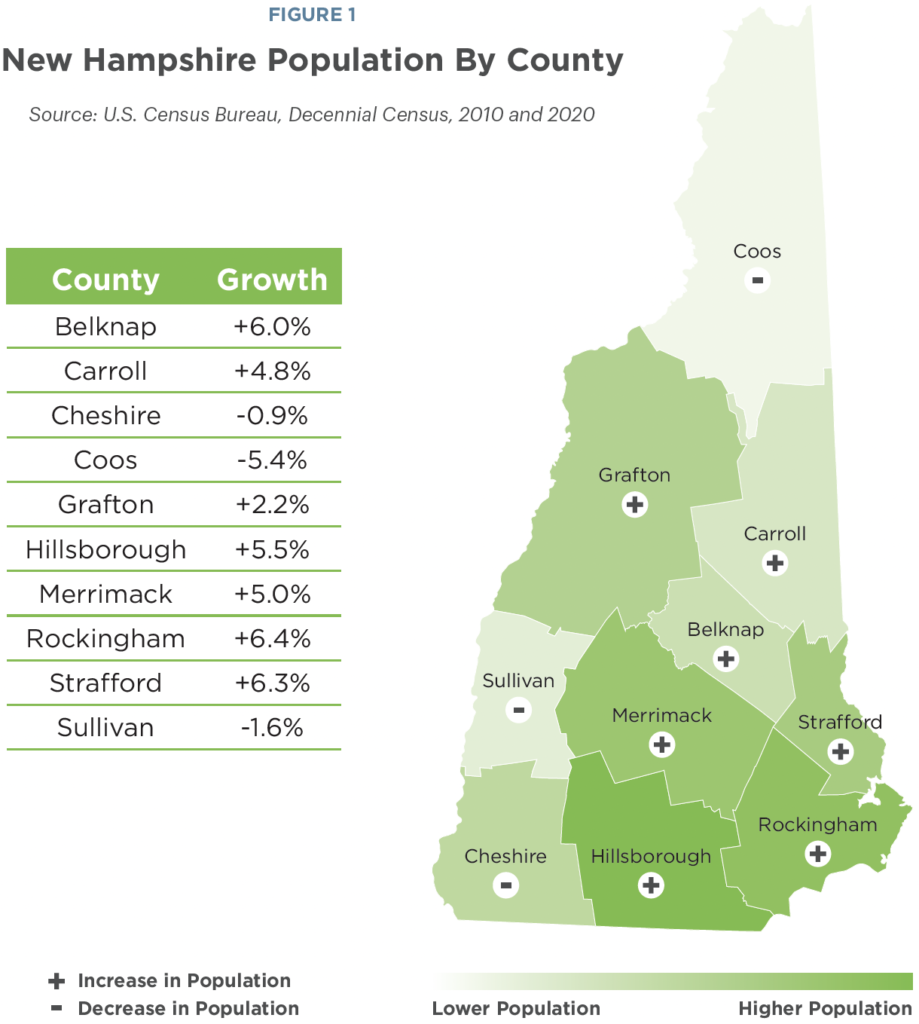
While the total population sits around 1.4 million, it is not evenly spread across the map. The geography of New Hampshire acts as a natural sieve for population density.
The Southern Tier Concentration
The vast majority of the state’s residents are concentrated in the southern tier. The proximity to the Massachusetts border serves as a major economic artery. Cities such as Concord, the state capital, and Salem function as hubs for commerce and retail. This southern corridor is where you find the highest population density, characterized by a blend of historic town centers and modern suburban developments.
The North Country and Mountain Regions
Conversely, as one moves north toward the Great North Woods and the higher elevations of the Presidential Range, the population density drops significantly. In these areas, the lifestyle is defined by isolation, seasonal tourism, and a connection to the land that has persisted for generations. Towns in these regions are essential to the state’s identity, providing the rugged aesthetic that brings millions of visitors to New Hampshire annually, yet they contribute a relatively small fraction to the overall population totals.
The Economic Impact of Population Density
The size and distribution of the New Hampshire population have a profound impact on its economy. With a relatively small but highly educated population, the state has managed to cultivate a robust tax base that supports high-quality public education and environmental conservation efforts.
Tourism as a Population Multiplier
It is important to distinguish between “residents” and “visitors” when analyzing the impact of people on the state. During peak foliage season in autumn, the number of people occupying the state increases dramatically. This “floating population” necessitates a service industry—including hotels, restaurants, and recreational guiding services—that is disproportionately large for a state with only 1.4 million permanent residents. Businesses in spots like Lake Winnipesaukee and Franconia Notch rely on this transient population to thrive throughout the year.
Infrastructure and Urban Planning
The state government often faces the challenge of balancing the needs of its permanent, tax-paying population with the infrastructure required to host millions of tourists. Maintaining roads through the harsh winters of New England is a significant expense. The population growth in the southern counties has necessitated expansions in public transportation and housing developments, ensuring that the infrastructure keeps pace with the demographic shift without sacrificing the small-town character that draws people to New Hampshire in the first place.
Future Projections and Sustainability
As the world changes, so too does the face of New Hampshire. Projections suggest that the population will continue to grow modestly over the next decade. The challenge for planners and policymakers is to manage this growth in a way that preserves the ecological integrity of the state.
The Rise of Sustainable Communities
New developments are increasingly focusing on sustainability, prioritizing energy efficiency and the preservation of open spaces. Urban centers like Dover and Rochester are revitalizing their historic districts, creating walkable, dense neighborhoods that reduce the need for vehicle dependency—a major shift for a state historically defined by its reliance on personal cars.
Retaining the “Granite” Spirit
Ultimately, the population of New Hampshire remains a reflection of the state’s motto: “Live Free or Die.” The people who choose to call this state home are often attracted to its independent spirit, its political engagement, and its commitment to individual liberty. Whether they live in the bustling urban centers near Manchester or in the quiet, forested depths of the northern regions, the residents contribute to a unique cultural tapestry that is far larger than the 1.4 million individuals who live there.
As New Hampshire moves forward into an increasingly digital and globalized future, its ability to maintain its demographic balance while welcoming new residents will remain its greatest asset. The state remains a prime example of how a relatively small population can wield significant influence through a combination of civic participation, economic resilience, and a deep, abiding love for the natural environment that surrounds them. From the shores of the Atlantic Ocean at Hampton Beach to the peaks of the White Mountains, the story of the state is written by its people—a community that remains as enduring as the granite for which their home is named.
LifeOutOfTheBox is a participant in the Amazon Services LLC Associates Program, an affiliate advertising program designed to provide a means for sites to earn advertising fees by advertising and linking to Amazon.com. Amazon, the Amazon logo, AmazonSupply, and the AmazonSupply logo are trademarks of Amazon.com, Inc. or its affiliates. As an Amazon Associate we earn affiliate commissions from qualifying purchases.