
The business model of modern media has undergone a seismic shift, moving away from traditional advertising reliance toward the subscription economy. Nowhere is this transformation more evident than at the New York Times, an institution that has successfully transitioned from a legacy newspaper in New York City to a global digital powerhouse. As travel enthusiasts and cultural observers look to understand the landscape of modern media consumption, the numbers behind this publication offer a fascinating glimpse into how high-quality journalism maintains a global audience.
The Evolution of the Digital Subscription Model
The digital footprint of the New York Times has expanded significantly since the implementation of its metered paywall. By viewing content as a luxury commodity—much like a premium stay at a Four Seasons Hotel or a curated tour through Italy—the organization has managed to convert millions of casual readers into loyal, paying subscribers.

Reaching the Ten Million Milestone
In recent fiscal reports, the New York Times has proudly crossed the threshold of ten million total subscribers. This figure is not merely a count of newspaper readers; it represents a diversified portfolio of products. The strategy has been to bundle traditional news with lifestyle content, creating an ecosystem that keeps the subscriber engaged throughout the day. Whether one is planning a trip to Paris or researching the history of Central Park, the publication provides utility that transcends standard hard-news reporting.
Understanding the Subscriber Composition
The growth is driven by three primary pillars: news, games, and lifestyle products. The “bundle” strategy has proven to be a masterclass in retention. By offering access to the flagship news product alongside NYT Cooking and Wordle, the company ensures that subscribers find daily value. This mirrors the hospitality industry, where luxury brands like the Ritz Carlton offer amenities that keep guests returning, not just for the bed, but for the full experience of the destination.
The Intersection of Journalism and Global Lifestyle
The success of a publication in the modern era is intrinsically linked to how well it integrates into the daily habits of its audience. Much like how a traveler relies on TripAdvisor to vet a stay in Tokyo or a recommendation for a boutique hotel in London, subscribers view the New York Times as an essential guide to the world.
Cultivating an Engaged Audience
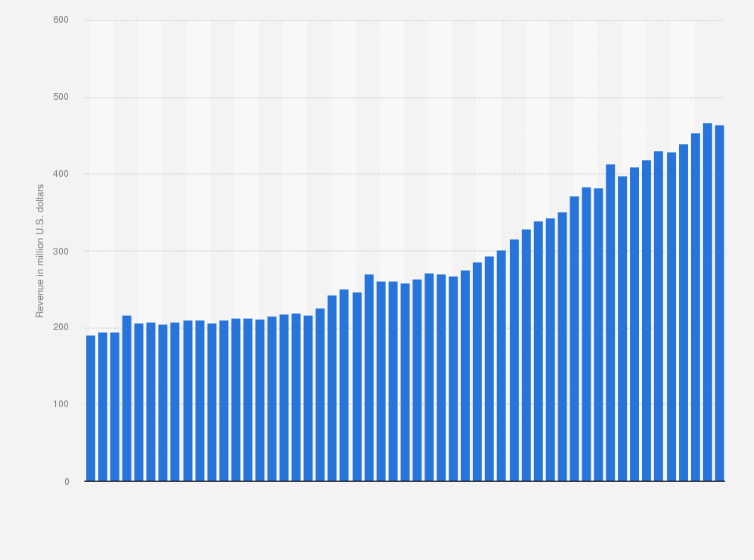
The digital transformation has allowed for a level of personalization that was impossible in the age of physical print. Algorithms now suggest articles based on user interests, mirroring the way a concierge at a St Regis Hotel anticipates the needs of a guest. If a subscriber frequently reads about sustainable tourism in Costa Rica or urban planning in Singapore, the digital platform tailors the experience to ensure that the value proposition remains high.
Global Reach and Local Impact
While headquartered in New York City, the subscriber base is truly international. Readers in Australia, Germany, and Canada contribute to the growing revenue streams. This global footprint is essential for maintaining the financial stability required to produce investigative journalism. When individuals subscribe from around the world, they are effectively supporting a platform that documents the history of Ancient Rome as diligently as it tracks the current political climate in Washington DC.
The Future of Subscription-Based Media
As we look toward the future, the metrics of the New York Times provide a blueprint for other media organizations. The transition from a local paper to a global content provider is complete. The challenge moving forward is sustaining growth in an environment where attention is the most valuable currency.
Diversification as a Survival Strategy
Just as a smart investor diversifies their portfolio across Wall Street, the New York Times has diversified its content. The expansion into audio, through podcasts, and the heavy investment in interactive graphics have transformed the act of reading into a multimedia experience. It is akin to moving from a standard motel to a boutique resort in Bali — the environment is richer, more immersive, and ultimately more memorable.
Maintaining Quality in a Crowded Market
In an era of infinite content, the New York Times differentiates itself through the perceived quality and authority of its reporting. Much like the reputation of the Mandarin Oriental ensures a consistent level of service, the brand identity of the newspaper serves as a signal of trust. Subscribers are willing to pay because they believe the content is vetted, accurate, and worth their limited time. Whether providing a deep dive into the art scene in Florence or analyzing the economic shifts in China, the focus remains on high-end production values.

The Role of Technology in Audience Retention
The backend infrastructure supporting these ten million subscribers is as sophisticated as the reservation systems used by global airlines like Emirates or Singapore Airlines. Data analytics help the New York Times understand churn rates, content preferences, and geographic reach. This technological mastery allows them to pivot their strategy in real-time, ensuring that they stay relevant to their massive, diverse, and geographically dispersed subscriber base.
As global citizens, our subscription choices often reflect our identity. Choosing to support high-quality media is a lifestyle decision, much like choosing to visit the Louvre Museum for its history or the Great Barrier Reef for its natural beauty. With over ten million subscribers, the New York Times has cemented its place as a central pillar in the global discourse, proving that even in a world of free content, audiences are willing to pay for premium, trusted experiences.
LifeOutOfTheBox is a participant in the Amazon Services LLC Associates Program, an affiliate advertising program designed to provide a means for sites to earn advertising fees by advertising and linking to Amazon.com. Amazon, the Amazon logo, AmazonSupply, and the AmazonSupply logo are trademarks of Amazon.com, Inc. or its affiliates. As an Amazon Associate we earn affiliate commissions from qualifying purchases.