
The pulse of New York City is defined by its relentless energy, its vertical architecture, and, above all, the millions of visitors who flock to its streets annually. As one of the world’s premier urban destinations, the Big Apple consistently ranks at the top of global tourism indices. Understanding the scale of this visitation is essential for grasping the economic engine that drives the five boroughs.
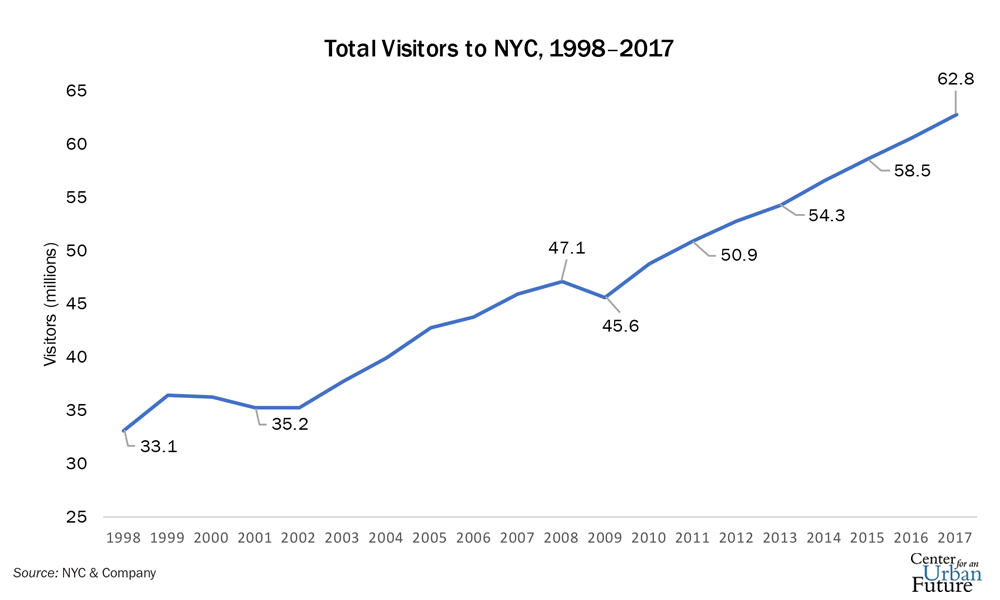
In recent years, the visitor volume has fluctuated due to global shifts, yet the upward trajectory remains a testament to the city’s enduring appeal. On average, New York City welcomes approximately 60 to 65 million visitors annually. This massive influx is comprised of a diverse mix of domestic travelers seeking the quintessential American experience and international explorers drawn by the global prestige of sites like Times Square.

The Anatomy of Tourism in the Big Apple
To truly understand how these millions of people move through the urban landscape, one must analyze the segments that constitute the city’s tourism industry. It is not merely a single wave of people, but rather a complex ecosystem of day-trippers, business travelers, and international tourists staying for extended periods.
Domestic vs. International Dynamics
A significant portion of the city’s visitor base comes from within the United States. Domestic tourism relies heavily on the accessibility of the city via major transit hubs like JFK International Airport and the iconic Grand Central Terminal. These travelers are often attracted by seasonal events, Broadway productions, and the proximity of the city to other East Coast hubs.
International tourism, conversely, represents a critical segment for the city’s luxury and high-end hospitality sectors. Visitors from Europe, Asia, and South America often plan their trips around landmarks such as the Statue of Liberty and the Empire State Building. While domestic travelers may visit multiple times a year, international tourists often treat New York as a “bucket list” destination, staying longer and spending more per day in the local economy.
The Impact of Business and Leisure
Business travel adds another layer of complexity to these statistics. The city is a global hub for finance, technology, and media. Centers like the Jacob K. Javits Convention Center host massive trade shows and conferences, effectively boosting the tourism count during periods that might otherwise be considered “off-season.” When these professionals stay at properties like the Waldorf Astoria, they contribute significantly to the average daily rate and economic vitality of the local hospitality market.
Seasonal Fluctuations and Tourism Peaks
The number of tourists visiting New York City is not spread evenly throughout the calendar year. There are distinct periods of intense activity that challenge the city’s infrastructure and define the experience of the average visitor.

The Holiday Season Phenomenon
The period between Thanksgiving and New Year’s Day represents the absolute peak of tourism in the city. The cultural phenomenon of the Macy’s Thanksgiving Day Parade and the Rockefeller Center Christmas Tree draws millions of spectators. During these weeks, the streets of Manhattan become exceptionally crowded, and hotel occupancy rates often hit capacity. The draw of the Radio City Music Hall and the festive displays along Fifth Avenue turn the city into a global epicenter for seasonal tourism.
Spring and Autumn Mildness
Spring and autumn are considered the “sweet spots” for tourism. With more temperate weather, travelers find it much easier to explore outdoor spaces like Central Park or the High Line. During these months, the city’s museums, including the Metropolitan Museum of Art and the Museum of Modern Art, experience consistent, high-volume visitation without the extreme overcrowding found during the winter holidays or the sweltering heat of August.
Economic and Cultural Significance
The influx of 60+ million visitors is not just a statistic; it is the lifeblood of the city’s economy. The tourism sector supports hundreds of thousands of jobs, ranging from hospitality staff at the Plaza Hotel to local artisans selling wares in Brooklyn.
Sustaining the Arts and Gastronomy
A large portion of the tourism revenue is reinvested into the city’s cultural infrastructure. Without the constant stream of ticket-buying tourists, the Broadway theater district would struggle to maintain its current scale. Similarly, the diverse culinary landscape, from the fine dining establishments in Tribeca to the authentic ethnic food stalls found throughout Queens, relies on the adventurous palate of the international traveler.
Infrastructure and Urban Development
The high volume of tourism forces a continuous evolution of city infrastructure. Projects aimed at improving pedestrian flow, such as the redesign of Penn Station and the expansion of subway accessibility to areas like Hudson Yards, are often accelerated by the need to accommodate the millions of people moving through the city. This constant cycle of growth ensures that even repeat visitors find something new to experience upon every return.
Future Outlook for Tourism in New York City
Looking forward, the tourism sector in New York City is evolving. While the raw number of visitors remains the primary indicator of success, there is a growing focus on sustainability and “de-touristing.”
The Shift Toward Neighborhood Exploration
City officials and tourism boards are increasingly encouraging visitors to look beyond the primary landmarks of Midtown. By promoting the cultural richness of The Bronx and the artistic communities of Staten Island, the city aims to distribute the economic benefits of tourism more equitably across the five boroughs. This decentralization helps manage the density in core areas and provides visitors with a more authentic look at the “real” New York.
Technological Integration in Travel
As technology becomes more deeply integrated into the travel experience, the city is leveraging digital platforms to enhance visitor management. From real-time updates on crowd levels at Brooklyn Bridge to app-based ticketing for the One World Observatory, the goal is to create a seamless experience that reduces friction for the millions of people who arrive every year.
Ultimately, the number of tourists visiting New York City each year serves as a barometer for the health of global travel. Despite challenges, the city remains an essential destination—a place that reinvented itself time and again, ensuring that whether it is 50 million or 70 million guests, the experience of being in the center of the world remains unmatched. As long as the city keeps its lights bright and its doors open, the world will continue to answer the call, making the journey to this concrete island a permanent fixture in the global tourism landscape.
LifeOutOfTheBox is a participant in the Amazon Services LLC Associates Program, an affiliate advertising program designed to provide a means for sites to earn advertising fees by advertising and linking to Amazon.com. Amazon, the Amazon logo, AmazonSupply, and the AmazonSupply logo are trademarks of Amazon.com, Inc. or its affiliates. As an Amazon Associate we earn affiliate commissions from qualifying purchases.