
Located in the heart of the Sooner State, Logan County serves as a captivating bridge between the urban energy of central Oklahoma and the sprawling, scenic plains of the American Midwest. Positioned just north of Oklahoma County, this region is defined by its rich territorial history, rolling hills, and a community spirit that defines the quintessential American heartland. For travelers and history enthusiasts alike, understanding the geography of this county is the first step toward uncovering a hidden gem of the United States.
Geographic Positioning and Accessibility
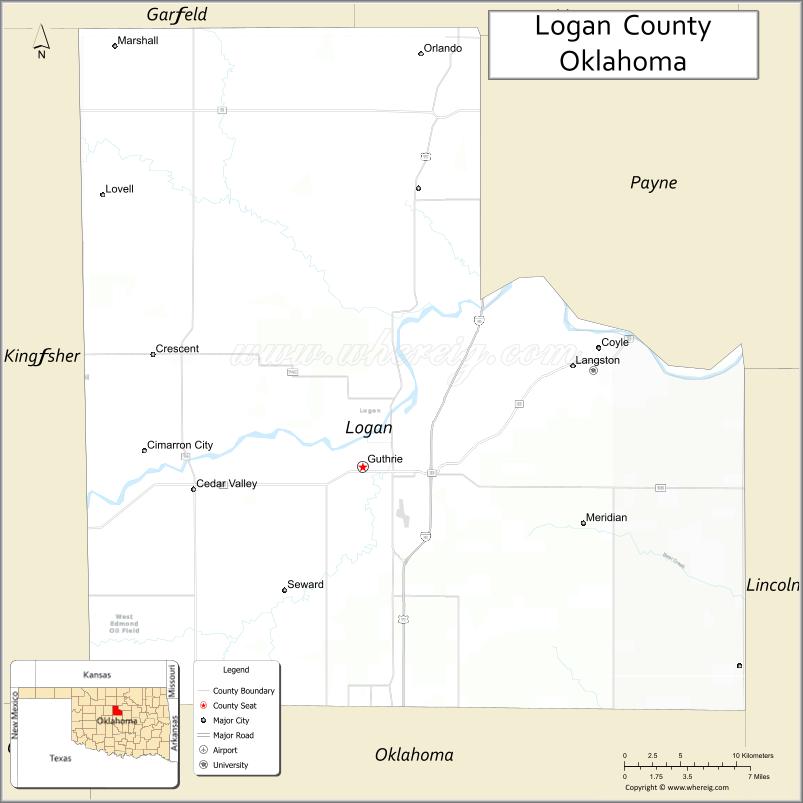
Logan County occupies a strategic location within the state, primarily characterized by its north-central positioning. It sits within the Frontier Country region, a designation that aptly reflects its historical significance during the famous Land Run of 1889.
Navigating the Landscape
The county is bounded by Payne County to the east, Kingfisher County to the west, Noble County to the north, and Oklahoma County to the south. The primary transit artery for the region is Interstate 35, which cuts a north-south path directly through the center of the county, connecting travelers to major hubs like Oklahoma City to the south and Wichita to the north. This connectivity makes the area an accessible destination for those looking for a weekend getaway that feels removed from the frenetic pace of larger metropolitan areas.
Regional Topography
The landscape of the region is a tapestry of tallgrass prairies and cross-timbers. As one travels from the southern borders toward the northern edges near Cimarron River, the terrain transitions into a more rugged, undulating topography. This natural variation provides a picturesque backdrop for photography, hiking, and scenic drives, especially during the autumn months when the foliage turns vibrant shades of orange and gold.
The Historic Significance of Guthrie
The crown jewel of Logan County is undoubtedly Guthrie. As the first capital of the state, it serves as the county seat and remains one of the most significant architectural landmarks in the entire region. The entire downtown district is listed on the National Register of Historic Places, preserving a time capsule of Victorian and Territorial-era design.
A Walk Through History
When visiting this municipality, it is impossible to overlook the Guthrie Historic District. Walking down the streets, visitors are greeted by remarkably well-preserved brick facades and ornate detailing that reflect the opulence of the late 19th century. The Oklahoma Territorial Museum offers a deep dive into the legal and social evolution of the region, providing context for the chaotic and exciting era when Oklahoma was transitioning from a territory into a state.
Cultural Vibrancy
Beyond its architectural merit, the area maintains a robust cultural scene. Festivals, antique shops, and specialized dining establishments fill the downtown corridors, breathing modern life into century-old spaces. Whether it is attending a show at the Pollard Theatre or browsing the collections at local boutiques, visitors experience a blend of nostalgia and contemporary charm that is unique to this part of the country.
Nature, Leisure, and Recreational Opportunities
For those whose interests lean toward the outdoors, the county offers a variety of spaces to reconnect with nature. The land is characterized by its agricultural heritage, yet it hides several pockets of tranquility perfect for fishing, camping, or quiet observation.
Waterways and Parks
The northern boundaries of the region are influenced by the flow of the Cimarron River, which provides essential irrigation for local farms and a habitat for diverse wildlife. While much of the land in the county is privately held agricultural property, public access points near the river and smaller reservoirs offer opportunities for angling and wildlife watching. Birdwatchers, in particular, will find that the mixture of prairie and woodland edges creates an ideal habitat for species ranging from migratory waterfowl to raptors.
Rural Exploration
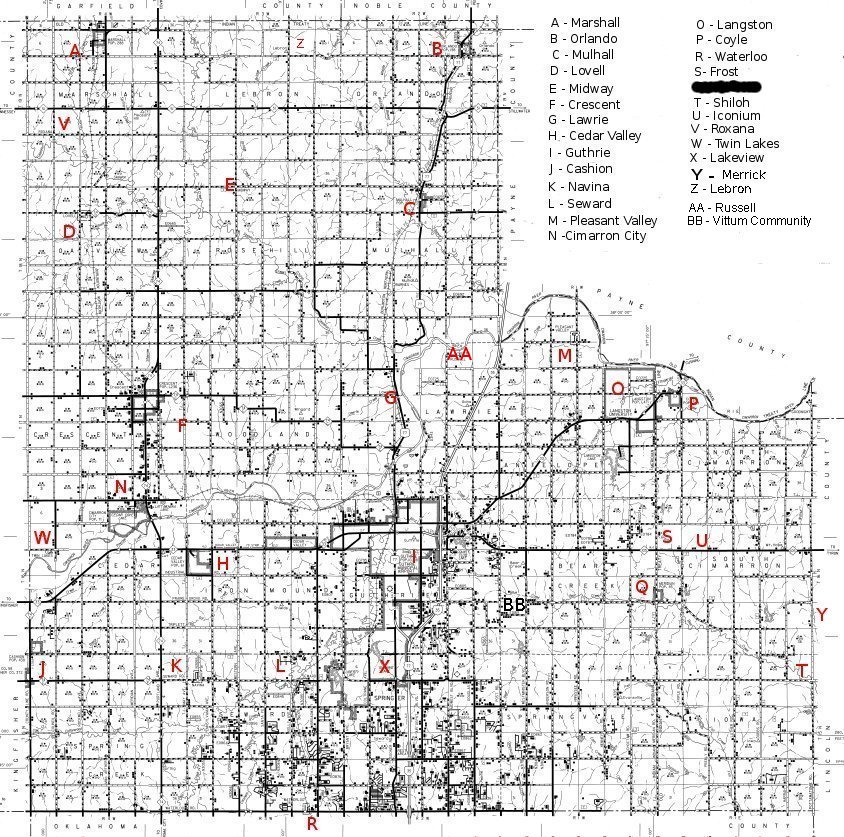
Traveling through the unincorporated communities of the county—such as Crescent, Langston, and Marshall—allows one to see the authentic soul of the region. These smaller towns reflect the resilience of the local economy and the close-knit nature of the residents. Langston, notably, is home to Langston University, which adds a distinct academic and youthful energy to the rural landscape. The university’s campus is a point of local pride, frequently hosting events that draw visitors from across the region to celebrate community milestones and scholarly achievements.
Why Logan County Matters to Travelers
Understanding where this county is located is about more than just reading a map; it is about grasping the cultural geography of the Great Plains. It represents a transitional space where the history of American westward expansion is still visible in the very streets and structures of its towns.
Economic and Cultural Integration
Because of its proximity to the state capital, the area has undergone significant growth and development over the last decade. Suburbs are expanding, and families are moving into the region to take advantage of the slower, more deliberate pace of life while maintaining access to big-city amenities. This demographic shift has created a unique tension between the historic identity of the county and the modern requirements of a 21st-century residential area. For the visitor, this means there is a wide range of accommodation styles, from historic bed-and-breakfast inns that date back to the state’s inception to modern lodging options that cater to business travelers and families on the go.

Tips for the Prospective Visitor
When planning a trip to this part of the state, timing is key. Spring and fall offer the most comfortable temperatures for walking the historic districts or exploring the rural routes. If you are starting from Oklahoma City, a trip north on Interstate 35 will bring you into the heart of the county in less than forty-five minutes.
To maximize the experience, consider the following:
- Prioritize Historic Districts: Dedicate at least a full day to exploring the downtown area of Guthrie. The density of preserved historical assets is unmatched in the region.
- Check Local Calendars: The area frequently hosts community events, parades, and art fairs that showcase the talents of local residents.
- Respect Private Land: As much of the surrounding territory is agricultural, always adhere to local signage and respect the boundaries of private farms and ranches.
- Engage with Local Institutions: Visiting landmarks like Langston University provides a broader understanding of the educational and social pillars that support the community.
In conclusion, Logan County is far more than a mere point on a map. It is a destination that captures the essence of Oklahoma through its history, its academic contributions, and its dedication to preserving the legacy of the American frontier. By positioning itself at the crossroads of progress and history, it provides a meaningful experience for any traveler willing to look beneath the surface of the rolling prairie.
LifeOutOfTheBox is a participant in the Amazon Services LLC Associates Program, an affiliate advertising program designed to provide a means for sites to earn advertising fees by advertising and linking to Amazon.com. Amazon, the Amazon logo, AmazonSupply, and the AmazonSupply logo are trademarks of Amazon.com, Inc. or its affiliates. As an Amazon Associate we earn affiliate commissions from qualifying purchases.