
For healthcare professionals considering a move to the Empire State, the financial landscape of nursing is a primary concern. Understanding the earning potential for a Licensed Practical Nurse (LPN) in New York requires a deep dive into regional disparities, cost-of-living adjustments, and the specific demands of the state’s healthcare infrastructure. While New York is renowned for its world-class medical facilities, it is also a state of extreme economic contrasts between its bustling metropolises and quieter upstate regions.
The Average Salary Landscape for LPNs in New York
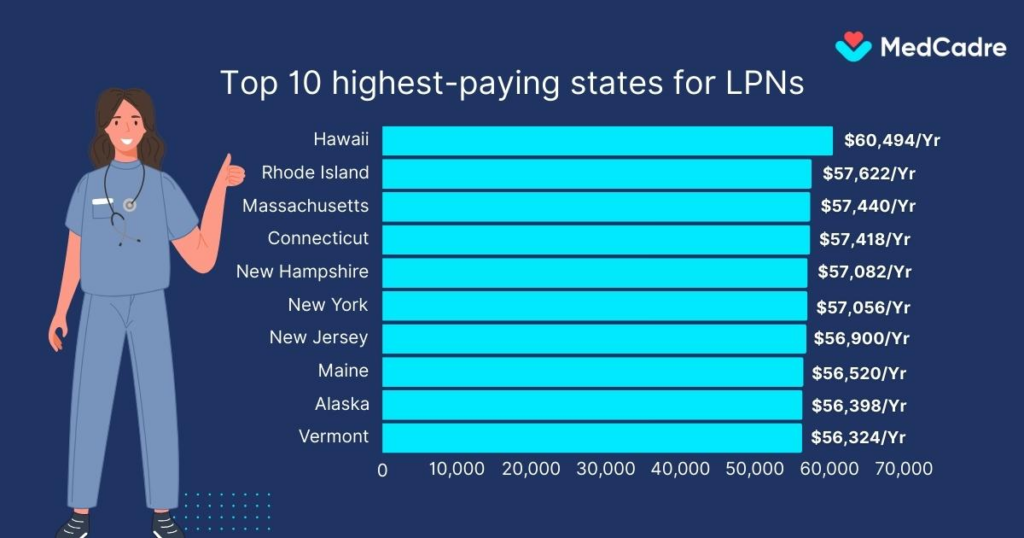
When analyzing the salary of an LPN in New York State, it is essential to distinguish between the statewide average and the figures seen in high-density urban centers. On average, an LPN in New York earns significantly more than the national median for the same position. This is largely driven by the high demand for nursing staff in complex health systems and the state’s competitive labor laws.

Statewide Averages vs. Regional Realities
Statewide, the hourly rate for an LPN typically ranges from $28 to $35 per hour, translating to an annual salary between $58,000 and $73,000. However, these numbers are mere averages. In New York City, where the cost of living is among the highest in the world, base salaries often climb toward the upper end of that spectrum, and in many cases, exceed it due to union contracts and hazard pay considerations. Conversely, in smaller communities such as Buffalo or Rochester, the salary might be lower, though this is often offset by a significantly lower cost of housing and daily expenses.
The Role of Experience and Specialization
Experience remains the greatest catalyst for salary growth. An entry-level LPN can expect to start near the base salary floor. However, after two to five years of clinical experience, professionals often see a 10% to 15% increase in their hourly wage. Furthermore, LPNs who pursue certifications in specialized areas—such as gerontology, IV therapy, or wound care—are often compensated at a premium rate. Hospitals and clinics in major hubs like Albany and Syracuse are frequently willing to pay more for candidates who bring niche technical skills to the table, reducing the need for costly external training programs.
Understanding the Financial Impact of the New York Healthcare Market
Working as an LPN in New York is not just about the gross salary figure; it is about how that salary integrates into the local lifestyle. The financial ecosystem of the healthcare industry in the state is heavily influenced by union presence and the sheer volume of high-acuity patient care required in massive urban health networks.
The Influence of Unions and Employment Settings
A substantial portion of the nursing workforce in Manhattan and the surrounding boroughs belongs to labor unions. These organizations negotiate collective bargaining agreements that secure not only higher base pay but also comprehensive benefits packages, including pension contributions, health insurance, and paid time off. When calculating the “true” salary, one must account for the value of these benefits, which can easily add thousands of dollars to the total compensation package.
Settings also play a vital role in earning potential:
- Hospitals: Often provide the highest hourly wages but can be the most demanding in terms of shift work and overtime.
- Long-Term Care Facilities: Offer steady work and a more predictable schedule, though pay scales are typically more conservative than those of large academic medical centers.
- Private Practice and Clinics: Can offer more balanced hours, though compensation is generally lower than in acute care settings.
Cost of Living and Purchasing Power
While the salary for an LPN in Brooklyn or Queens may look impressive on paper, one must weigh it against the local cost of living. Rent, transportation, and taxes in New York State are among the highest in the country. A professional moving from a state with a lower cost of living will find that a $70,000 salary in The Bronx does not go as far as a $50,000 salary in a rural region of a different state. Many LPNs strategically choose to live in commuter-friendly areas outside of the immediate city center to maximize their net income.
Strategies to Maximize Earnings as an LPN
For those committed to a career as an LPN in New York, increasing one’s financial outlook is entirely possible with a proactive approach. It involves a mix of geographical selection, professional development, and strategic employment choices.
Leveraging Overtime and Per Diem Opportunities
The nursing shortage in New York has led to a reliance on overtime and per diem staffing. Many healthcare facilities, particularly in the Long Island region, offer substantial bonuses for picking up extra shifts, especially during weekend or night rotations. Per diem work—where an LPN works as an “on-call” professional—often pays a higher hourly rate than permanent staff positions because the facility is not paying for the same level of benefits. This can be a lucrative strategy for those who are willing to trade job stability for higher short-term liquidity.
Pursuing Continued Education and Career Ladders
Many LPNs in New York City eventually look toward bridging programs to become Registered Nurses (RNs). While this requires an investment of time and tuition, the jump in salary is significant. Even without obtaining a full RN degree, taking advantage of facility-sponsored training programs can lead to promotions into leadership or specialized technician roles. Keeping an eye on job boards for high-paying regions like Westchester County can also provide leverage when negotiating a new employment contract.
Understanding Tax and Deduction Implications
Working in New York involves navigating state and local tax laws that can eat into a monthly paycheck. New York City, for instance, imposes a local income tax in addition to state and federal taxes. LPNs should engage in smart financial planning, such as utilizing 401(k) or 403(b) retirement plans, which can reduce taxable income. Understanding these nuances before accepting an offer is key to ensuring that the compensation package meets personal financial goals.

The Future Outlook for LPNs in the Empire State
The demand for LPNs in New York is expected to remain robust. As the population ages, the need for skilled nursing care in rehabilitation centers and home health agencies is projected to grow. This growth suggests that LPNs will continue to have strong bargaining power in the coming years.
The combination of a high-cost environment and a high-demand professional landscape creates a unique financial scenario for LPNs. Those who view their career through a long-term lens—balancing the immediate need for salary with the benefits of tenure, union protection, and specialized expertise—will find that New York offers a pathway to a stable and rewarding financial life. Whether residing in the heart of Manhattan or in the scenic regions of Upstate New York, the key to prosperity lies in understanding the interplay between labor demand and the regional economic environment. The professional LPN in this state is not just a healthcare provider; they are a vital component of a complex, thriving, and high-value economic system that rewards those who navigate it with intent and foresight.
LifeOutOfTheBox is a participant in the Amazon Services LLC Associates Program, an affiliate advertising program designed to provide a means for sites to earn advertising fees by advertising and linking to Amazon.com. Amazon, the Amazon logo, AmazonSupply, and the AmazonSupply logo are trademarks of Amazon.com, Inc. or its affiliates. As an Amazon Associate we earn affiliate commissions from qualifying purchases.