
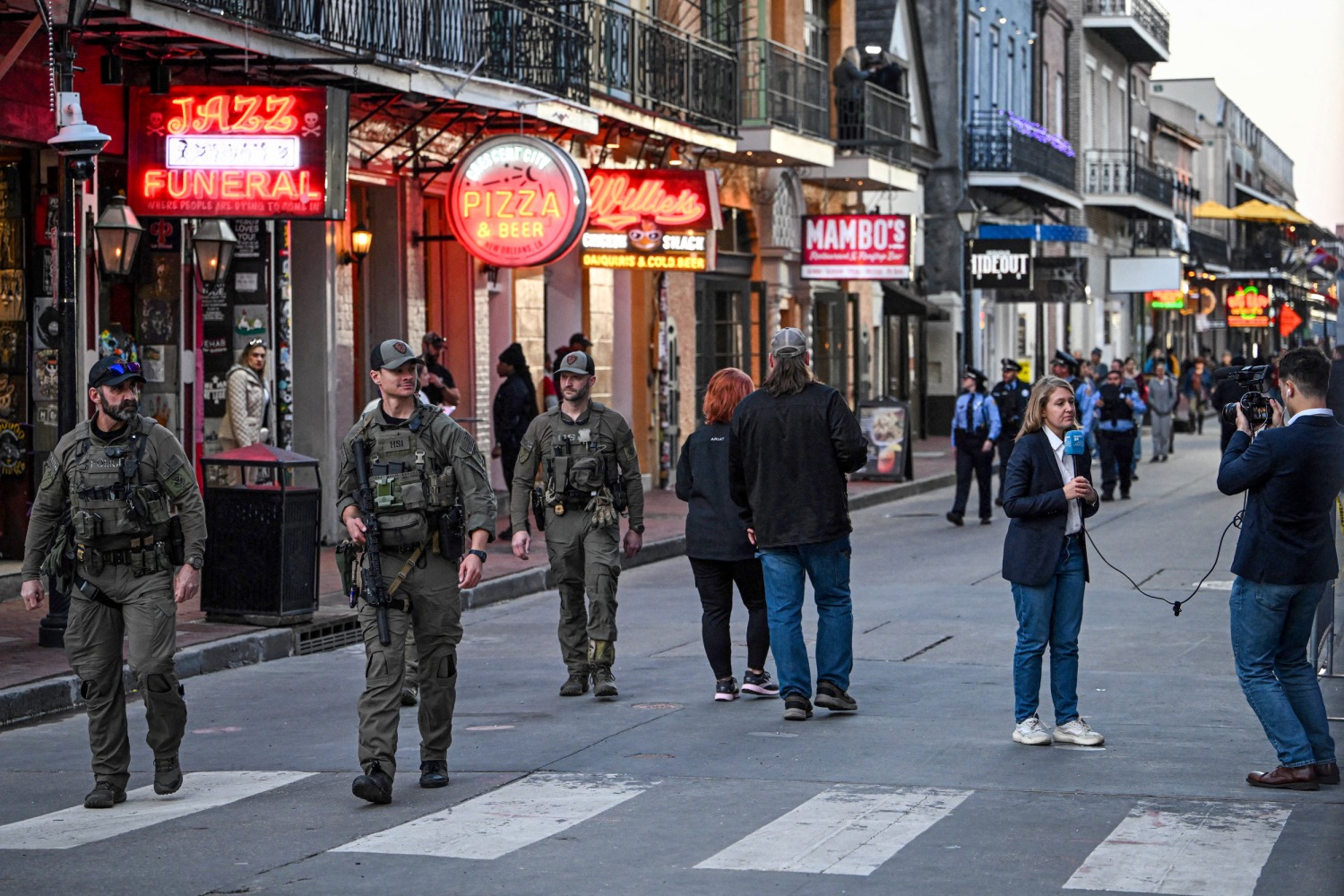
The neon glow of Bourbon Street has served as the heartbeat of New Orleans for generations. To ask what happens on this legendary stretch of the French Quarter is to peel back the layers of a complex, multifaceted cultural tapestry. While often characterized by the frenetic energy of Mardi Gras, the reality of the street is a constant ebb and flow of historical reverence, architectural preservation, and the unbridled spirit of revelry that defines this unique corner of the United States.
The Evolution of an Iconic Corridor
The history of this thoroughfare is inextricably linked to the city’s colonial roots. Founded in 1718, the French Quarter was designed by Jean-Baptiste Le Moyne de Bienville, and Bourbon Street was named to honor the House of Bourbon, the ruling dynasty of France at the time. Over the centuries, the street evolved from a quiet residential district of Creole townhouses into a bustling commercial hub.

Architectural Preservation and Change
Despite the perception of the area as a place of chaos, the architecture remains a testament to the city’s resilience. The iron-wrought balconies that hover over the street are remnants of a Spanish colonial influence that followed the fires of the late 18th century. When one walks these sidewalks, they are traversing a timeline where Louisiana heritage meets the demands of modern tourism. Efforts by the Vieux Carré Commission have been instrumental in ensuring that the historic facades are maintained, providing a stark, beautiful contrast to the modernity of the businesses within.
From Quiet Commerce to Midnight Revelry
The shift from a refined, aristocratic neighborhood to the epicenter of tourism began in earnest during the mid-20th century. As Jazz music blossomed in the clubs along Bourbon Street, the demographic of the area expanded to include visitors from all over the globe. What happens here now is a curated experience of Southern hospitality, ranging from the high-end cocktail culture found in hidden courtyards to the raucous energy of open-container nightlife that defines the public experience.
The Sensory Experience: Sound, Taste, and Sight
Walking the thirteen blocks of this iconic street, one is immediately struck by the sheer intensity of the sensory input. It is a place that demands participation.
The Soundtrack of the Crescent City
The air is thick with the sounds of live music. While modern dance hits certainly find their way onto the street, the soul of the area remains firmly rooted in Jazz, Blues, and Rhythm and Blues. Famous institutions like Preservation Hall represent a commitment to the traditional sounds that gave birth to New Orleans as a global music destination. Visitors are often surprised to find that tucked away behind the neon lights are some of the most authentic and technically proficient musical performances in the country.

Culinary Landmarks and Local Flavors
No discussion of New Orleans is complete without addressing its culinary impact. While some parts of the city are known for fine dining, the French Quarter acts as a gateway to the broader flavors of the region. From the quick, sugar-dusted indulgence of Café Du Monde just blocks away, to the hearty bowls of gumbo served in long-standing taverns along Bourbon Street, the street offers a crash course in Cajun and Creole cuisine. The food culture here is about accessibility and community—it is meant to be shared, loud, and often eaten on the go.
Navigating the Modern Atmosphere
To understand what happens in this space today, one must acknowledge the duality of the experience. It serves as a playground for travelers, but also as a living, breathing neighborhood for those who understand the rhythms of the city.
The Role of Tourism in Economic Vitality
The economic reality of the district is that it sustains thousands of jobs. The hospitality industry, represented by iconic hotels like the Hotel Monteleone (located just off the main drag) and various boutique accommodations, relies on the continued allure of the French Quarter. When guests visit New Orleans, they are looking for the singular brand of magic that only Bourbon Street can provide. The management of this tourism requires a delicate balance between public safety and the preservation of the “anything goes” atmosphere that tourists expect.
Tips for the Discerning Visitor
For those visiting for the first time, it is vital to know that the character of the street changes drastically between sunrise and sunset.
- The Morning Calm: In the early hours, the street is a photographer’s dream. The sunlight hits the historic architecture, and the delivery trucks replacing the revelers provide a glimpse into the logistical operation required to keep such an iconic location running.
- The Afternoon Transition: By mid-afternoon, the street begins to hum with the sound of brass bands and the scent of street food.
- The Evening Peak: As night falls, the street truly awakens. This is when the neon lights serve as a siren call for those seeking nightlife.
Beyond the Stereotypes: Understanding the Soul of the Street
Critics often dismiss Bourbon Street as merely a tourist trap, but this overlooks the profound cultural significance of the area. It is a place where people from disparate backgrounds come together to celebrate in a way that is unique to Louisiana.
Cultural Resilience
One must look past the beads and the neon to find the true story of the street. It is a story of a city that has survived floods, hurricanes, and shifting economies, yet remains fundamentally optimistic. The gatherings that occur here, particularly during Mardi Gras, are manifestations of the local philosophy that life is to be lived with intensity and communal joy.
Why the Legacy Endures
Ultimately, what happens on Bourbon Street is a continuation of a centuries-old tradition of exchange. It is where African rhythms met European instrumentation, where Caribbean influences mingled with American sensibilities. It is an epicenter of cultural synthesis. When you walk these streets, you aren’t just visiting a nightlife district; you are participating in a living history. The street doesn’t just host events; it serves as a stage for the ongoing, ever-changing performance that is New Orleans. By engaging with the history, the music, and the people, visitors can look beyond the surface level of the festivities and appreciate the deep, enduring spirit of the French Quarter. Whether you are sipping a classic Hurricane cocktail or simply listening to a street performer play a mournful Blues riff, you are becoming a part of the long, storied timeline of one of the world’s most vibrant destinations.
LifeOutOfTheBox is a participant in the Amazon Services LLC Associates Program, an affiliate advertising program designed to provide a means for sites to earn advertising fees by advertising and linking to Amazon.com. Amazon, the Amazon logo, AmazonSupply, and the AmazonSupply logo are trademarks of Amazon.com, Inc. or its affiliates. As an Amazon Associate we earn affiliate commissions from qualifying purchases.