
Living in New York is often described as a dream for ambitious professionals, artists, and culture seekers alike. However, the reality of maintaining a lifestyle in this sprawling metropolis requires more than just ambition; it requires a carefully calculated budget. Whether you are considering a move to Manhattan, the artistic hubs of Brooklyn, or the burgeoning residential pockets of Queens, understanding the true cost of living is the first step toward making your city life sustainable.
The Reality of Rental Markets and Housing Costs
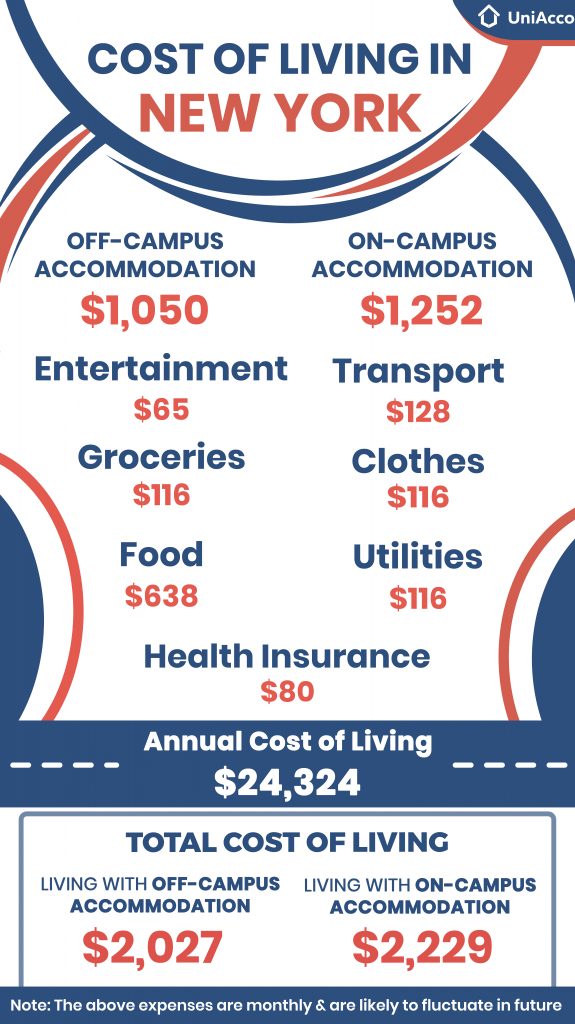
The most significant portion of any budget in New York City is undoubtedly rent. Housing costs in the Big Apple are among the highest in the United States, and the market is notoriously competitive.
Understanding Neighborhood Variances
The price of a rental unit varies drastically depending on your choice of borough and neighborhood. In Manhattan, luxury high-rises near Central Park or the Upper West Side command premium prices. A one-bedroom apartment in these areas can easily exceed $4,000 to $5,000 per month. Conversely, if you look toward Astoria or Long Island City in Queens, you might find more value, though these areas have seen significant price hikes due to their proximity to midtown.
Hidden Costs of Renting
Beyond the base rent, prospective tenants must account for broker fees, which can range from one month’s rent to 15% of the annual lease. Additionally, security deposits and the “first and last month” payment structure necessitate a significant upfront capital investment. When scouting for an apartment, always clarify if heat, hot water, and cooking gas are included in the lease, as these utilities can add hundreds of dollars to your monthly expenditures if they are not covered by the landlord.
Navigating Daily Expenses and Cost of Living
Once the roof over your head is secured, the daily cost of sustaining a New York lifestyle begins to accumulate. From groceries to morning coffee, the “city tax”—a colloquial term for the inflated cost of goods—is a tangible factor.
Grocery Shopping and Dining Out
The price of groceries in New York is significantly higher than in the rest of the country due to high commercial rents and logistics costs for inner-city retailers. A weekly grocery bill for a single person can range from $100 to $200 depending on your shopping habits. Dining out is equally variable; while you can find a classic New York slice of pizza for a few dollars, a casual dinner at a sit-down restaurant in Greenwich Village will typically start at $30 per person, excluding tax and the mandatory 20% tip.

Transportation and Mobility
Most residents rely on public transportation. The Metropolitan Transportation Authority, which operates the iconic subway system, offers a monthly transit pass that is relatively affordable compared to maintaining a car. Owning a vehicle in the city is a financial burden, given the exorbitant costs of monthly parking garages, which can cost anywhere from $300 to $700 depending on the neighborhood, along with high insurance premiums and traffic violation fees.
The “Lifestyle Premium” of NYC Living
Living in New York provides access to world-class culture, but participation comes with a price tag. If you intend to take full advantage of what the city offers, your entertainment budget must be robust.
Entertainment and Cultural Access
Cultural institutions like the Metropolitan Museum of Art or the Museum of Modern Art offer incredible value, yet tickets for Broadway shows in the Theater District or concerts at Madison Square Garden can range from $100 to well over $500. Fitness is another significant expense; boutique gyms and yoga studios often charge monthly memberships upwards of $150. Even social activities, such as grabbing drinks in the Lower East Side, can quickly inflate your budget if you aren’t tracking your spending.
Taxes and Financial Planning
Do not overlook the impact of taxes. Residents of New York City are subject to a local income tax in addition to state and federal taxes. This reduces your take-home pay compared to living in regions with lower tax burdens. To thrive in the city, financial advisors often recommend that housing costs should not exceed 30% of your net income, though in New York, many residents find themselves spending closer to 40% or 50% just to live comfortably in a safe, transit-accessible neighborhood.
Balancing the Budget for Success
Despite the high cost of living, millions choose to call New York home because of the unparalleled opportunities for career growth and the sheer vibrancy of the city’s life. To make it work, residents often adopt a few key strategies:
- Prioritize Commute over Space: Many choose smaller apartments in Brooklyn or Queens to stay within budget, prioritizing a shorter commute to Manhattan over square footage.
- Leverage Free Amenities: Utilize public parks like Prospect Park for recreation and take advantage of free museum nights and community events.
- The “Roommate” Strategy: Even well-paid professionals often live with roommates to share the burden of rent and utilities, which is a standard rite of passage in the city.
- Meal Planning: While the temptation to order food via apps is constant, cooking at home is the single most effective way to keep your monthly expenses in check.

Final Thoughts on Your NYC Budget
Ultimately, the cost of living in New York is highly subjective and depends on the lifestyle you wish to cultivate. You can lead a frugal life, enjoying the street-level culture and public infrastructure, or you can opt for a high-end lifestyle characterized by fine dining and exclusive access. Regardless of your approach, success in this city requires a disciplined eye on your bank account and a realistic understanding of the market. As long as you account for the “city tax” and prioritize your spending according to your personal values, the energy and rewards of living in New York can be well worth the investment.
LifeOutOfTheBox is a participant in the Amazon Services LLC Associates Program, an affiliate advertising program designed to provide a means for sites to earn advertising fees by advertising and linking to Amazon.com. Amazon, the Amazon logo, AmazonSupply, and the AmazonSupply logo are trademarks of Amazon.com, Inc. or its affiliates. As an Amazon Associate we earn affiliate commissions from qualifying purchases.