
Planning a trip to the vibrant shores of Miami requires more than just picking a swimsuit and booking a room; it demands a clear understanding of your travel logistics. As one of the premier gateways to the United States and a central hub for Latin America and Europe, this city is remarkably accessible. However, the duration of your journey depends heavily on your point of origin, the airline carrier, and whether you are opting for a direct route or a connecting flight through major aviation hubs.
Understanding Flight Durations from Major Global Regions
The length of your journey to Miami International Airport can vary from a short hop to a full day of travel. Understanding these timeframes is essential for managing jet lag and planning your initial arrival schedule.
From North American Hubs
For travelers arriving from other major cities within the United States, Miami is exceptionally reachable. If you are flying from the East Coast, such as from New York City, a flight typically lasts between 2 hours and 45 minutes to 3 hours and 15 minutes. This makes it an ideal destination for a weekend getaway.
From the West Coast, specifically cities like Los Angeles or San Francisco, travelers should expect a duration of approximately 5 to 6 hours. These transcontinental flights are common and serviced by most major domestic carriers, offering consistent scheduling throughout the year.
Connecting From Europe and Beyond
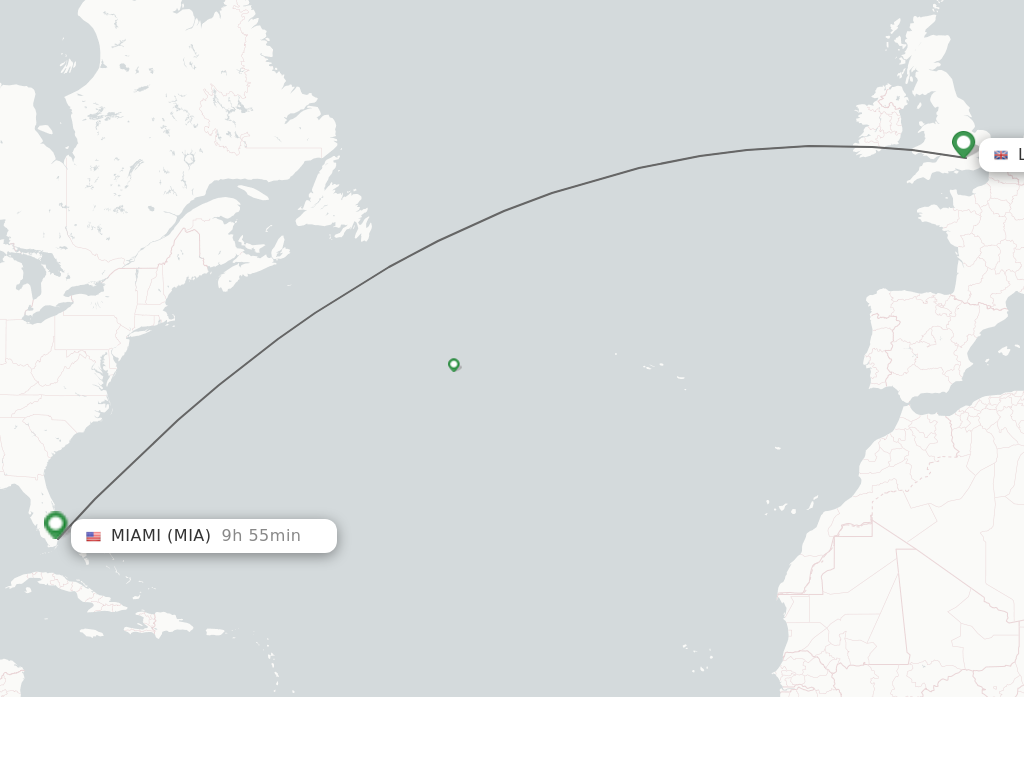
International travelers coming from Europe, such as those departing from London, Paris, or Frankfurt, typically face a longer trek. Direct flights from major European capitals to Florida usually clock in at between 8 to 10 hours. The flight time can fluctuate slightly based on prevailing jet stream winds, which often make the return trip toward Europe faster than the journey toward the Americas.
Variables Affecting Your Time in the Air
While flight schedules provide an estimate, several factors can influence how long you actually spend inside the aircraft. Being aware of these variables allows for better expectation management and minimizes the stress of unexpected delays.
The Impact of Direct vs. Connecting Flights
The most significant factor in your total travel time is your choice of itinerary. A direct flight is almost always preferable for those seeking convenience, as it eliminates the risks associated with layovers. Connecting flights, while often more budget-friendly, can add anywhere from two to six hours to your total journey, depending on the efficiency of the connection at major transit hubs like Atlanta or Charlotte.

Weather Patterns and Air Traffic Control
Air travel is heavily susceptible to atmospheric conditions. Even on a clear day, Air Traffic Control may impose ground stops or flow management programs during peak travel seasons. Furthermore, seasonal weather in South Florida—particularly during the summer thunderstorm season—can cause temporary hold patterns for incoming aircraft, adding 20 to 45 minutes to the scheduled flight duration.
Aircraft Type and Headwinds
The size and speed of the aircraft play a role in how efficiently you reach your destination. Modern long-haul jets are optimized for fuel efficiency and sustained speed, but even the fastest aircraft cannot outrun the forces of nature. Headwinds, which are common when flying from west to east or during specific seasonal shifts, act as a constant drag on the aircraft. Pilots will often adjust altitude and flight paths to avoid the strongest headwinds, but these adjustments can occasionally add time to the flight plan.
Maximizing Comfort on Long-Haul Routes
Once you have determined how long you will be in the air, the next step is ensuring your comfort during that time. Whether you are flying for three hours or ten, the environment in the cabin remains consistent, and preparing for it can make your arrival in Miami much more enjoyable.
Preparing for Cabin Conditions
The air inside a commercial aircraft is significantly drier than what most passengers are accustomed to. During a flight of four hours or longer, dehydration becomes a concern. It is highly recommended to increase your water intake throughout the flight and avoid excessive caffeine or alcohol. Additionally, wearing comfortable, layered clothing allows you to adjust to the fluctuating cabin temperatures commonly found on long-distance trans-Atlantic or trans-continental flights.
Managing Jet Lag upon Arrival
If your flight to Miami involves crossing multiple time zones, your body’s circadian rhythm will likely be disrupted. To mitigate the effects of jet lag:
- Adjust your watch: Change your watch or phone to Eastern Standard Time as soon as you board the plane.
- Stay hydrated: Drink plenty of water to offset the fatigue caused by cabin pressure.
- Exposure to light: Once you land, try to get outside. The bright sunshine of South Beach or the Florida Keys is excellent for helping your body clock synchronize with local time.
Navigating Arrival at the Destination
Touching down at Miami International Airport is just the beginning of your Florida adventure. Understanding the airport layout and ground transportation options will help you exit the terminal and reach your accommodation as quickly as possible.
Customs and Immigration Processing
For international arrivals, the time it takes to clear customs is a factor to consider alongside your flight time. During peak holiday seasons, immigration lines can be lengthy. Utilizing programs like Global Entry can significantly reduce this waiting period. Always ensure that your travel documents and visa requirements are in order well before your departure to ensure a seamless entry process.

Ground Transportation to the City Center
Once you clear the terminal, you have several options for reaching your hotel. Miami has invested heavily in transit connectivity. You can opt for the Metrorail, which offers a direct link from the airport to Downtown Miami, or choose from a variety of ride-sharing services and taxis. If your final destination is a resort in Brickell or Coral Gables, the transit time from the airport is usually between 20 to 40 minutes, depending on traffic conditions, which are notoriously heavy during rush hours in the Greater Miami Area.
By understanding the mechanics of your flight, the potential delays, and the arrival procedures, you turn a complex logistical challenge into a straightforward part of your travel itinerary. Whether you are traveling for business or a tropical vacation, knowing the duration of your trip allows you to focus on what really matters: enjoying the beauty, culture, and excitement that Miami has to offer.
LifeOutOfTheBox is a participant in the Amazon Services LLC Associates Program, an affiliate advertising program designed to provide a means for sites to earn advertising fees by advertising and linking to Amazon.com. Amazon, the Amazon logo, AmazonSupply, and the AmazonSupply logo are trademarks of Amazon.com, Inc. or its affiliates. As an Amazon Associate we earn affiliate commissions from qualifying purchases.