
Understanding the economic landscape of New York is essential for anyone planning an extended stay, a career move, or a deep dive into the local culture of the Empire State. As of 2024, the state has undergone significant legislative shifts regarding labor compensation, reflecting the high cost of living in hubs like New York City. For those looking to navigate the financial realities of this vibrant region, knowing the baseline for earnings is a critical piece of the puzzle.
Current Minimum Wage Standards Across New York State
The wage floor in New York is no longer a monolith. Recognizing the vast economic disparities between the bustling metropolis of Manhattan and the more rural regions of Upstate New York, the state government has implemented a tiered structure.
The New York City Metropolitan Area
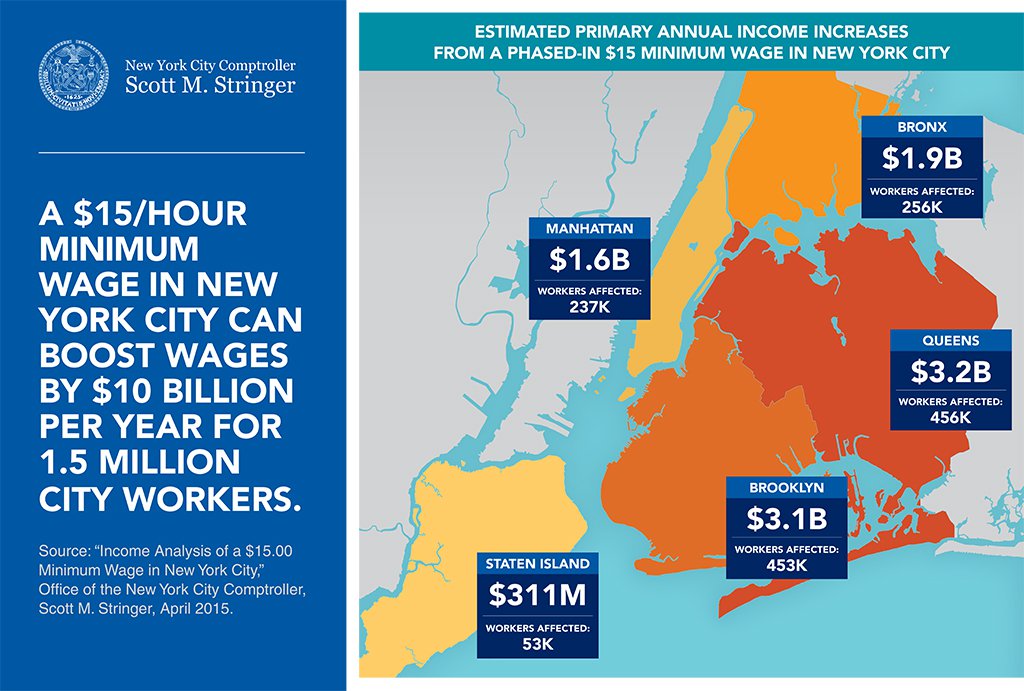
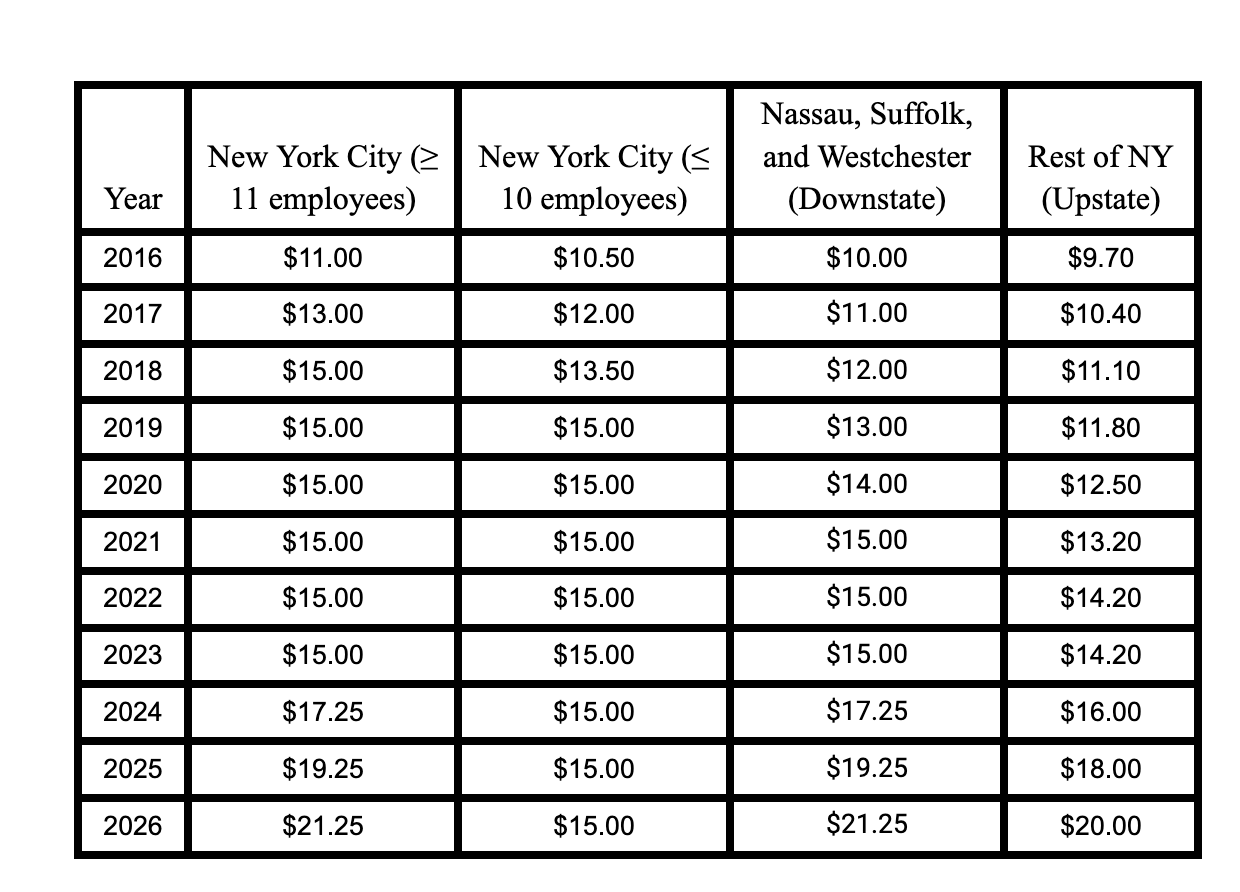
In New York City, as well as Westchester County and Long Island, the minimum wage is set at $16.00 per hour. This rate was established to help workers keep pace with the premium costs of housing, transportation, and daily essentials found in these dense urban environments. If you are seeking employment in sectors like retail, hospitality, or service industries within the five boroughs, this is the guaranteed legal minimum an employer must pay.
The Remainder of New York State
For the rest of the state, including regions like the Hudson Valley, the Catskill Mountains, and the Finger Lakes, the minimum wage is currently $15.00 per hour. While the cost of living in these areas can be lower than in the heart of Brooklyn or Queens, the state continues to adjust these figures annually based on indices like the Consumer Price Index to ensure that wages remain aligned with inflationary pressures.
Legislative Increases and Future Projections
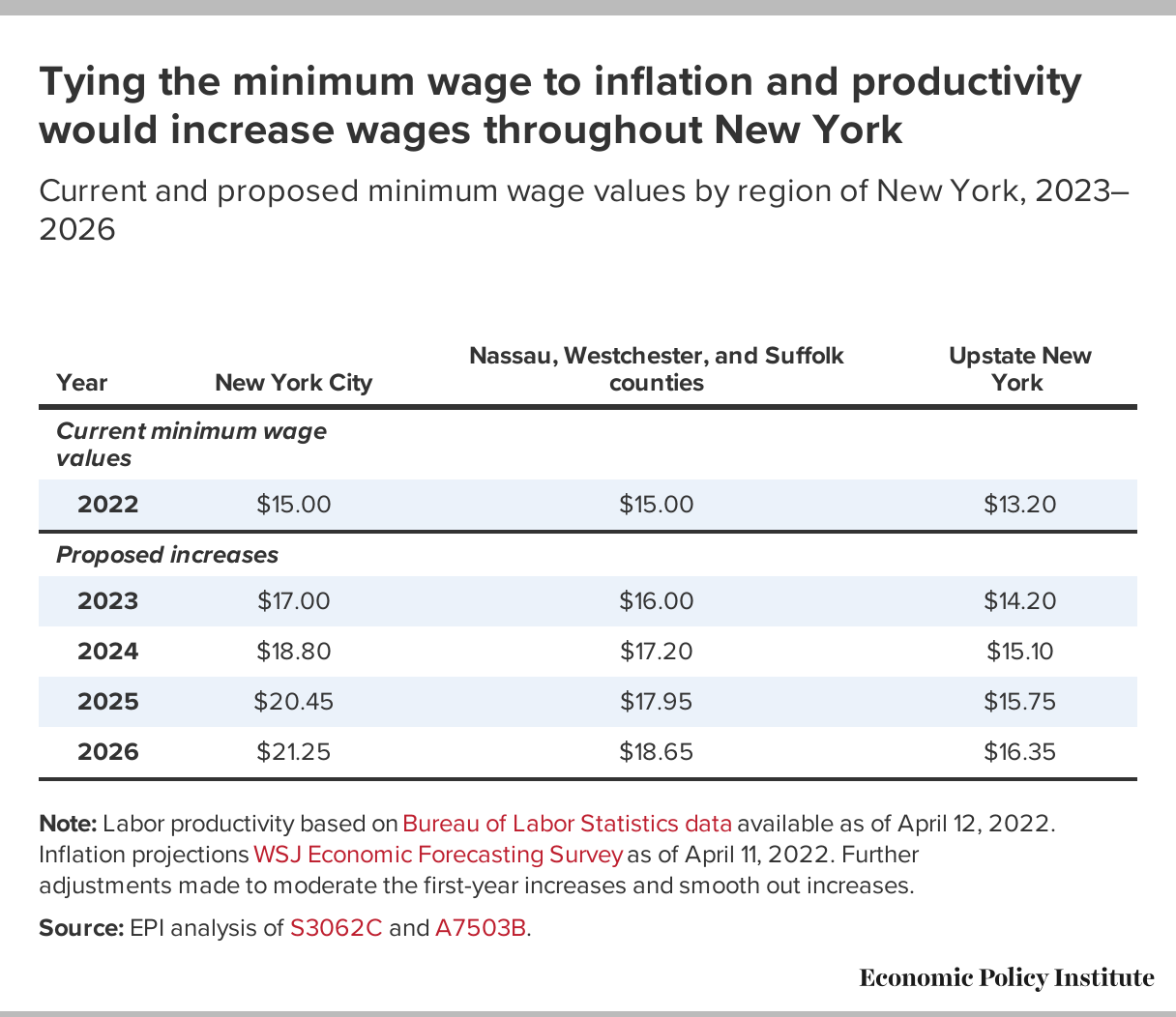
The path to the current minimum wage has been part of a broader, multi-year plan initiated by the state government to ensure that the purchasing power of entry-level workers does not erode. The legislation passed in 2023 set into motion a series of scheduled increases that will continue through 2026.
The Role of Inflation Adjustments
Following the initial ramp-up period, New York law now mandates that the minimum wage will increase annually based on the U.S. Bureau of Labor Statistics data. This move is designed to provide predictability for both employers and employees. When you consider the economic climate of a major global center like Albany or Buffalo, these incremental increases serve as a buffer against the rising costs of goods and services.
Impact on Small Businesses and Tourism
The hospitality industry—a cornerstone of New York tourism—often faces the most direct impact of these wage hikes. Owners of cafes in the West Village, boutique hotels in Saratoga Springs, and restaurants in The Hamptons must balance these labor costs with the pricing of their offerings. Visitors often notice that while the quality of service remains world-class, the price point for dining out and lodging reflects the necessity of paying a fair, state-mandated wage.
Navigating the Financial Reality of Working in New York
For those interested in the lifestyle aspects of New York, it is important to distinguish between “minimum wage” and “living wage.” While the legal floor provides a baseline, many industries—particularly those involving specialized skills or high-volume service—often pay above this threshold to remain competitive.
Understanding Tipped Wages
A vital nuance for anyone exploring the hospitality sector is the tip credit system. In many cases, employers in New York are allowed to take a tip credit against the minimum wage for food service workers, provided that the employee’s total earnings, including tips, meet or exceed the statutory minimum. This system is a staple in restaurants throughout Times Square and across the state, ensuring that the service culture remains robust while still guaranteeing that workers meet the state-mandated income requirements.
Budgeting for Life in the Empire State
If you are planning to spend an extended period in New York while working, your budget needs to be highly localized. Rent in Staten Island is vastly different from rent in Rochester. Similarly, the cost of transit is a significant factor in New York City, where many rely on the subway system to reach their places of employment, whereas in other parts of the state, personal vehicle ownership is almost a requirement for basic mobility.
- Housing: Always research the average rent-to-income ratio in specific counties.
- Transportation: In New York City, a Metropolitan Transportation Authority pass is a staple expense.
- Taxation: Remember that New York has state and local income taxes that supplement federal withholdings, which will impact your “take-home” pay significantly.
How Wage Laws Influence Local Culture
The economic policies in New York do more than just set a dollar amount; they shape the very fabric of local neighborhoods. When workers are paid more, they tend to spend more within their own communities. This creates a circular economy that supports local artisans, smaller grocery markets, and cultural venues from Bronx to Syracuse.
Support for Local Businesses
By increasing the minimum wage, New York aims to elevate the standard of living for those who make the state’s tourism and service industries run smoothly. When visiting an iconic destination like Central Park or exploring the historic sites in Cooperstown, the service you receive at a nearby coffee shop or boutique is powered by this workforce. Understanding the legal wage floor helps one appreciate the balance between the high-octane luxury travel market and the everyday people who provide the experiences that define the region.
The Long-Term Perspective
The future of New York labor remains a dynamic subject. As the global economy evolves, the state is expected to maintain its position as a trendsetter in labor protections. Whether you are moving to New York for a season of exploration or a long-term residency, being well-informed about the minimum wage ensures that you can plan your financial life with confidence. By staying abreast of updates from the New York State Department of Labor, you remain empowered to navigate your personal journey through this historic and ever-changing landscape.
LifeOutOfTheBox is a participant in the Amazon Services LLC Associates Program, an affiliate advertising program designed to provide a means for sites to earn advertising fees by advertising and linking to Amazon.com. Amazon, the Amazon logo, AmazonSupply, and the AmazonSupply logo are trademarks of Amazon.com, Inc. or its affiliates. As an Amazon Associate we earn affiliate commissions from qualifying purchases.