
The journey between St. George and Las Vegas is one of the most popular routes in the American Southwest. Spanning approximately 120 miles along Interstate 15, this drive typically takes about two hours under normal traffic conditions. While the physical distance is relatively short, the transition from the red rock landscapes of Utah to the neon-lit urban expanse of Nevada offers travelers a unique opportunity to witness a dramatic shift in geography and atmosphere.
Whether you are a local resident commuting for work, a tourist planning a multi-state adventure, or someone looking to escape the high-energy environment of the Las Vegas Strip for the quiet beauty of the desert, understanding the logistics of this route is essential. Planning ahead ensures that your trip is not just a drive between two points, but an integral part of your overall travel experience.

Navigating the Route and Travel Time
The road connecting St. George to Las Vegas is a straight shot down Interstate 15, one of the primary arteries of the Western United States. Because the terrain is generally flat once you exit the mountainous regions of Southern Utah, the drive is largely straightforward and easy to navigate.
Traffic Patterns and Peak Times
While the two-hour estimation is accurate for off-peak travel, it is important to factor in regional habits. During holiday weekends, particularly those involving major events in Las Vegas, traffic can become significantly heavier. Sunday afternoons and evenings, in particular, often see a surge of travelers returning from Southern Utah back to the metropolitan hub of Nevada.
Commuters should also be aware of construction projects that intermittently affect travel times. Staying updated through local Utah Department of Transportation resources can save you significant time. By planning your departure during mid-week or early morning hours, you can bypass most congestion and enjoy a seamless journey.
Seasonal Considerations
Weather in the Mojave Desert can be extreme. During the peak of summer, temperatures often exceed 100 degrees Fahrenheit, which puts a significant strain on vehicle engines and cooling systems. It is always wise to ensure your vehicle is serviced, tires are properly inflated, and you have adequate water supplies for all passengers. Conversely, while snow is rare in the lower elevations of the route, occasional winter storms can impact the Virgin River Gorge, a beautiful but narrow stretch of highway that requires careful driving during inclement weather.
Iconic Stops Along the Way
The drive between St. George and Las Vegas is far more than just a transit corridor. It traverses a region rich in geological history and natural splendor, offering several landmarks that turn a quick drive into a memorable sightseeing tour.
The Virgin River Gorge
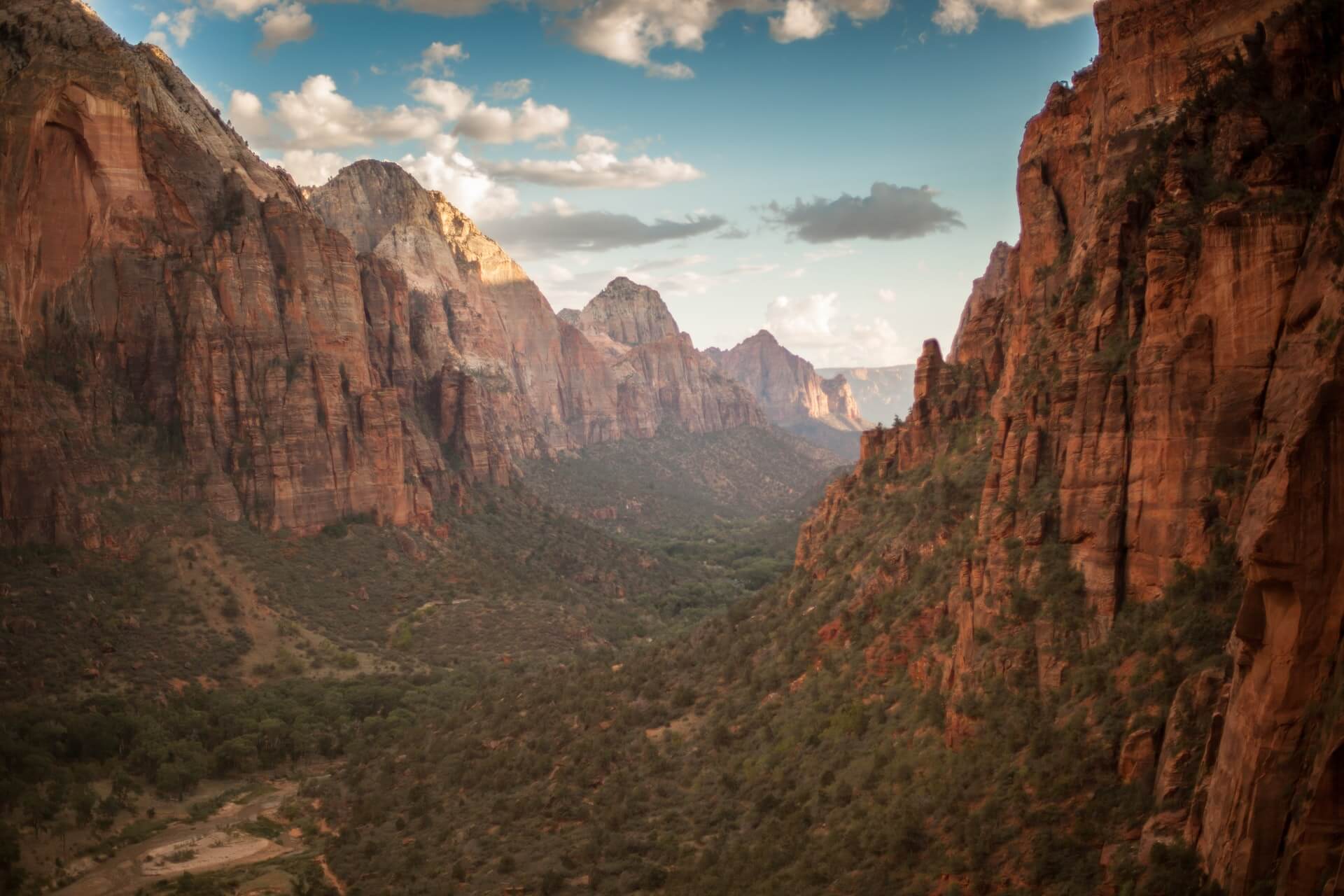
As you travel south from Utah, the highway snakes through the Virgin River Gorge. This is arguably the most scenic portion of the drive. The limestone cliffs tower hundreds of feet above the road, showcasing millions of years of geological activity. It is a testament to human engineering that a highway was carved through this rugged canyon, providing travelers with a front-row seat to the raw power of nature.
Mesquite and Beaver Dam
Located near the border of Nevada and Arizona, Mesquite is a common midpoint stop for travelers. It offers a variety of amenities, from casual dining to gas stations and quick service stops. For those looking for a slightly more scenic break, the area surrounding Beaver Dam provides a stark, beautiful contrast to the surrounding desert, perfect for a quick photography break.
Valley of Fire State Park
For those who are not in a rush, a slight detour into the Valley of Fire State Park is highly recommended. Located just a short distance off Interstate 15 as you approach Las Vegas, this park features vivid red sandstone formations that look like they belong on another planet. It serves as a perfect final stop to stretch your legs before entering the bustling urban sprawl of Clark County.
Preparing for Your Desert Journey
Safety and preparedness are the cornerstones of successful desert travel. Whether you are driving a rental car or a personal vehicle, the arid environment of Nevada and Utah demands respect.
Essential Supplies to Pack
- Hydration: Always carry more water than you think you need. Even if you plan on stopping at gas stations, having a gallon or two of extra water in the trunk is a standard precaution in the Mojave Desert.
- Connectivity: While cell service is generally reliable along the main corridor, there are pockets, particularly in the Virgin River Gorge, where reception may be spotty. Download offline maps of the Interstate 15 corridor to ensure navigation remains functional at all times.
- Emergency Kit: A basic roadside emergency kit—including jumper cables, a flashlight, a first-aid kit, and a tire pressure gauge—is vital for any long-distance travel in this region.
Transportation Options
If you prefer not to drive, there are several shuttle services that run regularly between St. George and Las Vegas. These services are particularly popular with travelers heading to the Harry Reid International Airport. Booking a shuttle allows you to sit back and enjoy the scenery without the stress of managing traffic or finding parking in Las Vegas.
Shuttles typically offer door-to-door service or drop-offs at major transit hubs, providing a convenient alternative to personal vehicle travel. Many of these services offer Wi-Fi and comfortable seating, making the two-hour transit productive or relaxing.

Transitioning Landscapes and Experiences
The journey from St. George to Las Vegas offers a profound shift in lifestyle and environment. St. George is often characterized by its proximity to Zion National Park and a focus on outdoor recreation, including hiking, golfing, and mountain biking. The atmosphere is generally slower-paced, centered on family values and natural beauty.
As you cross the border into Nevada, the landscape begins to flatten, and the influence of the urban center becomes more apparent. Upon arriving in Las Vegas, you are greeted by a world-class destination defined by its culinary scene, world-renowned entertainment, and iconic architecture.
Ultimately, understanding the 120-mile distance between these two cities is about more than just mileage. It is about understanding the connection between two vastly different worlds. Whether you are driving for business or pleasure, the route is a microcosm of the American West. By taking the time to prepare, planning your stops, and respecting the environment, you ensure that the transit between these two unique United States destinations remains a highlight of your trip.
Whether your destination is the quiet trails of Snow Canyon State Park or the dazzling lights of the Fremont Street Experience, the road connecting them is the gateway to your next great adventure. Keep your tank full, stay mindful of the weather, and enjoy the diverse beauty that defines this stretch of the Interstate 15.
LifeOutOfTheBox is a participant in the Amazon Services LLC Associates Program, an affiliate advertising program designed to provide a means for sites to earn advertising fees by advertising and linking to Amazon.com. Amazon, the Amazon logo, AmazonSupply, and the AmazonSupply logo are trademarks of Amazon.com, Inc. or its affiliates. As an Amazon Associate we earn affiliate commissions from qualifying purchases.