
The New York Strip Roast, often referred to as a shell roast or strip loin roast, is the crown jewel of any celebratory meal. Known for its exceptional marbling, robust beefy flavor, and tender texture, this cut is the bone-in or boneless heart of the New York steakhouse experience. Bringing this culinary icon into your home kitchen allows you to recreate the sophisticated dining atmosphere of iconic establishments found in cities like Chicago or Las Vegas. While the sheer size of the roast can be intimidating to the home cook, mastering a few core techniques ensures a perfect, edge-to-edge medium-rare finish that rivals the finest steakhouses in London or Tokyo.
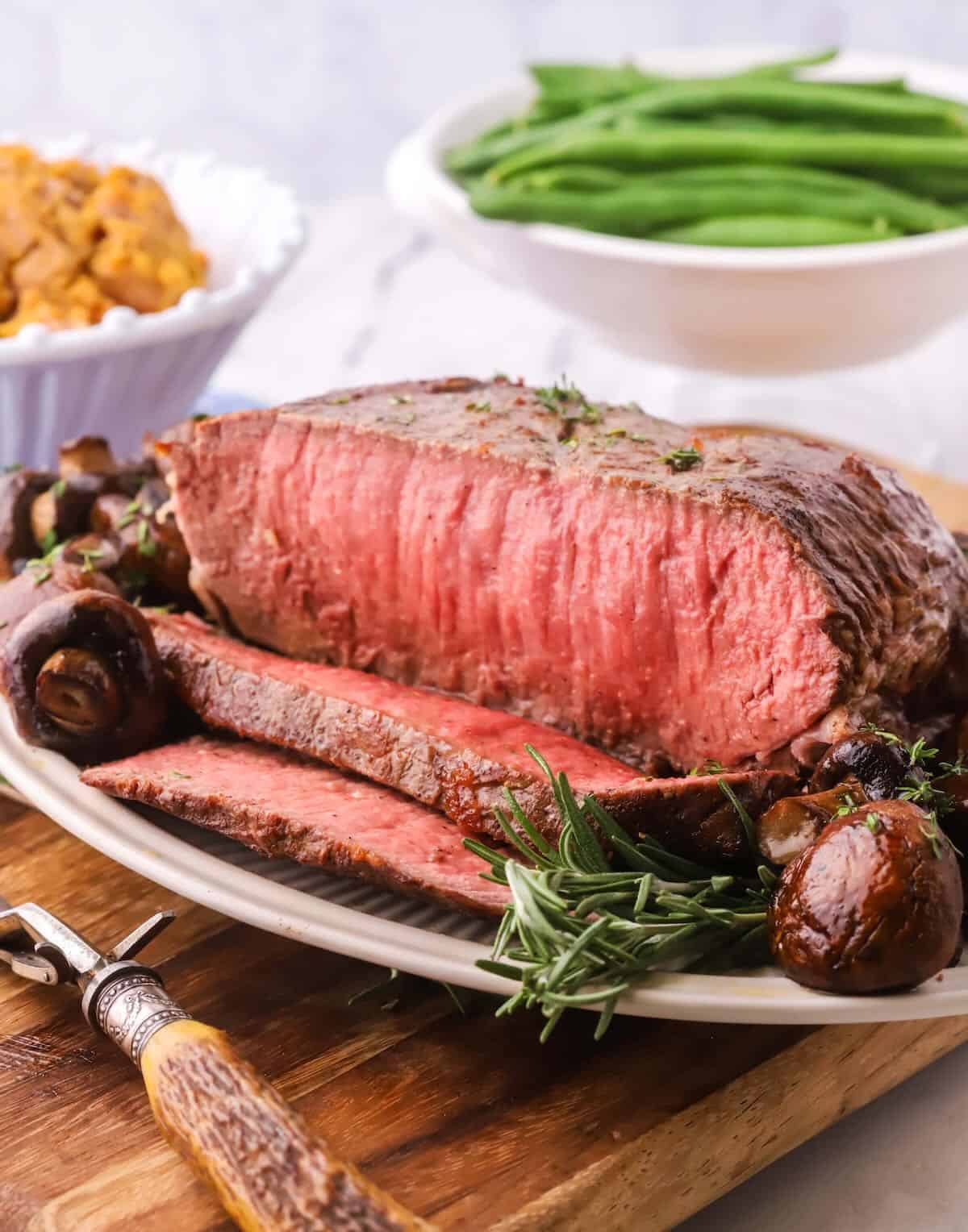
Selecting and Preparing the Perfect Cut
Before you even preheat your oven, the quality of your roast dictates the success of your final dish. Whether you are sourcing your meat from a local butcher in Paris or a specialty grocer in San Francisco, the criteria remain the same.
The Importance of Marbling
When inspecting the roast, look for consistent, white flecks of intramuscular fat. This is known as marbling. As the roast cooks, this fat renders, basting the meat from the inside out and providing the signature richness associated with a high-quality strip loin. A roast with little marbling will result in a drier, less flavorful end product, regardless of your cooking technique.
Tempering for Success
One of the most common mistakes made by home cooks is placing a cold roast directly into a hot oven. To ensure even cooking from the exterior to the core, the meat must be brought to room temperature. Remove your roast from the refrigerator at least one to two hours before cooking. This simple step prevents the “gray band” of overcooked meat that often develops when a cold center meets the ambient heat of an oven, a technique favored by executive chefs at resorts like the Bellagio.
Seasoning and The Sear
The New York Strip Roast is a flavorful cut that requires little intervention. Over-complicating the seasoning profile can mask the natural, buttery taste of the beef.
Minimalist Seasoning
For a classic approach, stick to high-quality kosher salt and freshly cracked black pepper. If you want to elevate the flavor, consider a dry brine. Apply a generous coating of salt to the entire surface of the roast and let it sit uncovered in the refrigerator for 24 hours. The salt will draw out moisture, dissolve, and then be reabsorbed into the muscle, seasoning the roast deeply while drying out the surface. A dry surface is essential for achieving a deep, mahogany-colored crust.
The Maillard Reaction
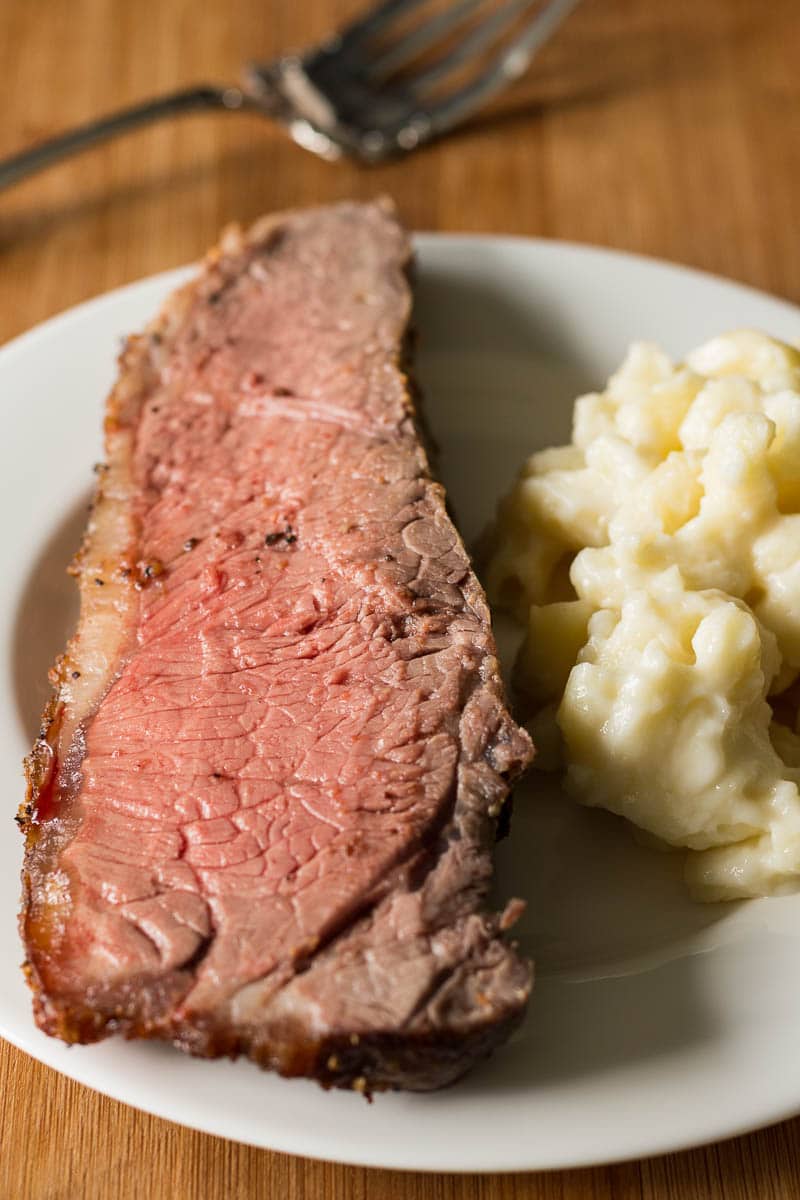
Achieving a beautiful sear is not just about aesthetics; it is about flavor. The Maillard reaction—a chemical reaction between amino acids and reducing sugars—creates the complex, savory notes we associate with grilled or roasted beef. You can achieve this by searing the roast in a heavy cast-iron skillet over high heat before roasting, or by utilizing a high-heat “blast” in the oven at the beginning of the cooking process. Whether you are cooking in a kitchen in Sydney or Dubai, the goal is the same: a crust that shatters slightly under the knife to reveal the tender, juicy interior.
Precision Roasting Techniques
The secret to a perfect roast lies in gentle, controlled heat. Forget the old-school method of high-heat roasting for the entire duration. Modern culinary science, heavily utilized in high-end hospitality hubs like Singapore, points toward a low-and-slow approach.
The Low-and-Slow Method
Preheat your oven to a low temperature, typically between 225°F and 250°F (107°C to 121°C). Place the roast on a rack set inside a roasting pan. This allows hot air to circulate evenly around the entire roast, ensuring that the bottom doesn’t steam in its own juices. Cook the roast until it reaches your desired internal temperature.
Monitoring Internal Temperature
Using an accurate, digital meat thermometer is non-negotiable. Forget the “timing” method; the thickness of the roast and the calibration of your oven can vary significantly. Pull the roast from the oven when the internal temperature hits 120°F (49°C) for medium-rare. As the meat rests, the internal temperature will continue to rise by about 5 to 10 degrees due to residual heat, bringing it to the perfect serving temperature of 130°F (54°C).
Resting and Carving
The final stage of the process is often the most overlooked, yet it is arguably the most critical for maintaining the juiciness of the meat.
The Resting Period
When the roast comes out of the oven, do not cut into it immediately. Transfer it to a cutting board and tent it loosely with aluminum foil. Let it rest for at least 20 to 30 minutes. During this time, the muscle fibers relax, allowing the juices—which have migrated toward the center during the heating process—to redistribute throughout the roast. If you slice into the meat too soon, all those delicious juices will run out onto the board, leaving you with dry slices.
Slicing for Texture
When it is time to carve, use a long, sharp slicing knife. Slice the roast against the grain into thick, steakhouse-style portions. Serving the meat in thick slices provides a better mouthfeel and ensures that each bite remains tender.

Accompaniments and Presentation
To complete the experience, serve your New York Strip Roast with traditional sides that balance the richness of the beef. A classic red wine reduction, a bright horseradish cream, or a simple compound butter with fresh herbs like rosemary and thyme will complement the natural flavors. Much like the dining philosophy found in the upscale bistros of Florence or the countryside taverns of Vermont, simplicity is the ultimate sophistication. When plated correctly, with a focus on color and texture, the New York Strip Roast transforms from a piece of meat into a centerpiece that anchors a memorable evening. Whether you are hosting a formal dinner or a festive family gathering, this cut remains one of the most reliable and impressive dishes to master in your culinary repertoire.
LifeOutOfTheBox is a participant in the Amazon Services LLC Associates Program, an affiliate advertising program designed to provide a means for sites to earn advertising fees by advertising and linking to Amazon.com. Amazon, the Amazon logo, AmazonSupply, and the AmazonSupply logo are trademarks of Amazon.com, Inc. or its affiliates. As an Amazon Associate we earn affiliate commissions from qualifying purchases.