
Planning a trip to Las Vegas in the first month of the year offers a unique perspective on a city most often associated with sweltering summer heat. As the neon glow of the Las Vegas Strip cuts through the crisp winter air, visitors discover that January is a season of transition. While the rest of the country may be buried under deep drifts of snow, Nevada offers a mild, albeit chilly, desert climate that invites exploration without the intensity of triple-digit temperatures.
Understanding the Desert Winter Climate
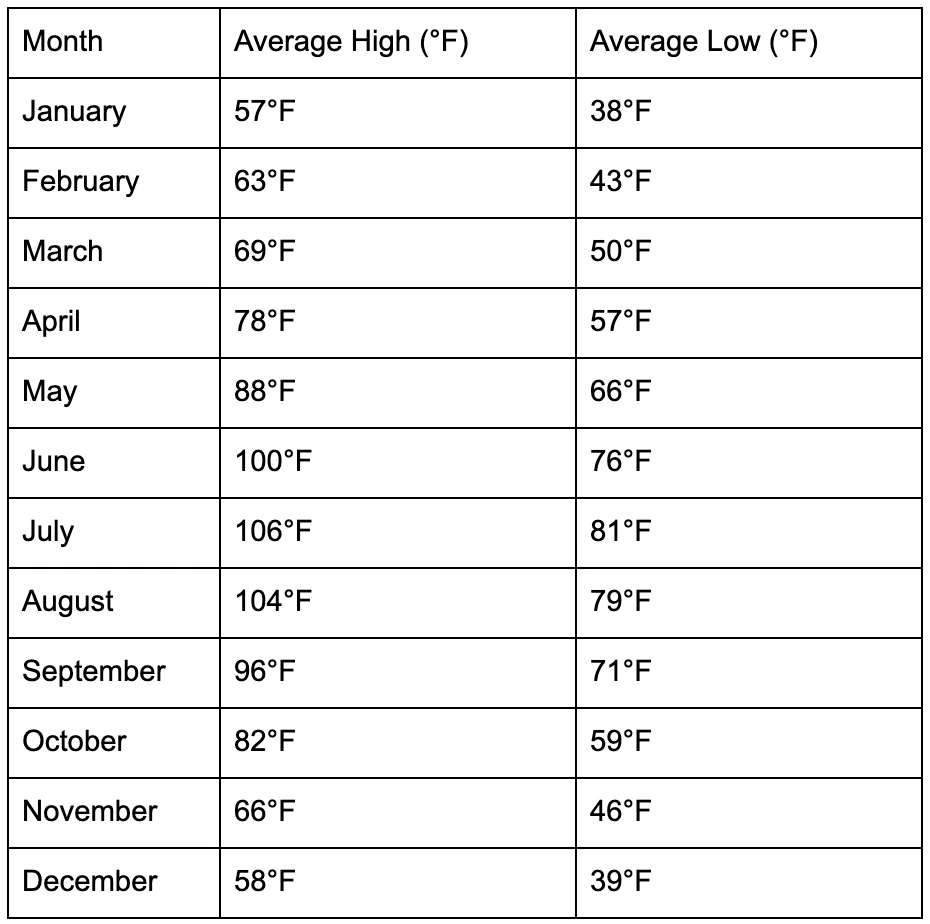
The weather in Las Vegas during January is defined by cool, sunny days and notably cold nights. Because the city sits in the middle of the Mojave Desert, the lack of humidity causes temperatures to plummet as soon as the sun dips below the horizon.

Daytime Temperatures and Sunlight
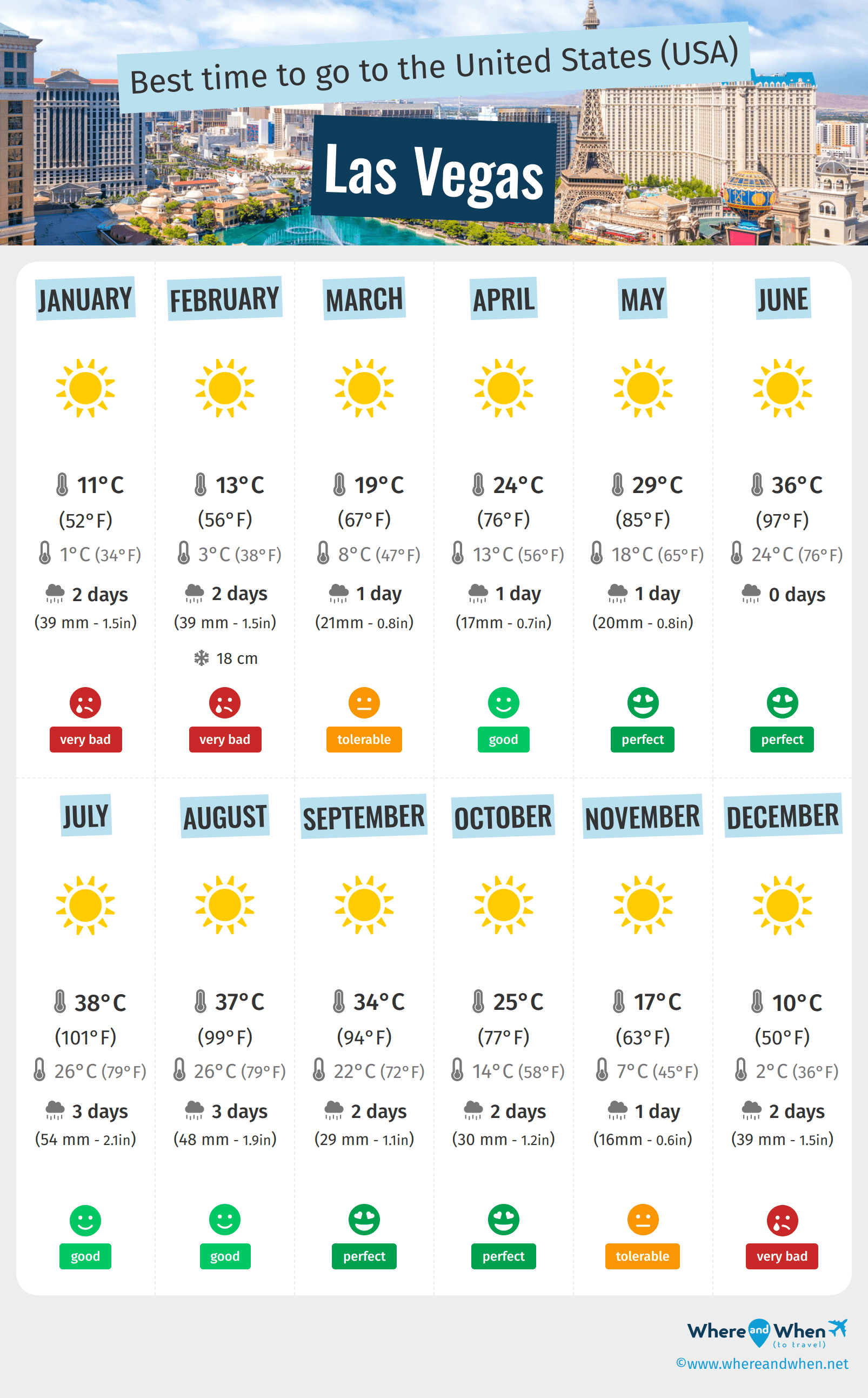
During the day, high temperatures typically hover between 55°F and 60°F (13°C to 16°C). Under the bright, cloudless skies that characterize this time of year, it often feels warmer than the thermometer suggests, particularly if you are walking along the Fremont Street Experience. It is the perfect weather for light layering—a comfortable sweater or a denim jacket is usually sufficient to navigate the outdoor areas of the various resorts.
Nighttime Chills
Conversely, once darkness falls, the desert temperatures drop significantly, often dipping into the 30s°F (around 2°C to 4°C). If your plans include viewing the Bellagio Fountains or taking an evening stroll toward the High Roller Observation Wheel, you will need a heavier coat, a scarf, and perhaps gloves. The contrast between the warm, air-conditioned interiors of the Caesars Palace and the crisp night air outside requires visitors to be strategic about their wardrobe choices.
Navigating Outdoor Activities and Excursions
January is arguably one of the most comfortable times to engage in outdoor activities that would be physically dangerous during the peak summer months. The moderate heat allows for longer durations of physical exertion and exploration of the natural beauty surrounding the metropolitan area.
Hiking and Natural Exploration
A short drive from the city leads to Red Rock Canyon National Conservation Area. In January, the air is crisp, the sky is a sharp, brilliant blue, and the sandstone formations appear particularly vibrant. Because the heat is non-existent, hikers can tackle more challenging trails like the Calico Tanks without the typical exhaustion caused by the desert sun. Similarly, a trip to Valley of Fire State Park is best enjoyed during the winter months, when the majestic red landscapes can be photographed without the haze of summer heat waves.
Sightseeing Without the Crowds
While the city remains a global hub for entertainment, the post-holiday period in January often sees a slight dip in tourist volume compared to weekends or major conventions. This makes it an ideal window for visiting the Neon Museum, where outdoor exhibits of vintage signage are much more pleasant to view in 55-degree weather than in 105-degree weather. Furthermore, outdoor dining on the terraces of venues overlooking the Paris Las Vegas remains a viable option for those who enjoy the fresh air, provided that the heating lamps are in operation.
Seasonal Tips for Your Winter Visit
Traveling to Las Vegas in January requires a shift in expectations regarding logistics, packing, and scheduling. By preparing for the specific atmospheric conditions of the high desert, you can ensure a seamless trip.
Strategic Packing for Temperature Fluctuations
The most common mistake visitors make is underestimating the night air. While it is tempting to pack for a desert vacation with summer attire, January in Nevada demands versatility.
- Layering is Essential: Wear thin thermal layers under your evening attire.
- Footwear: Since you will likely be doing significant walking both indoors and outdoors, prioritize comfort. Walking between the MGM Grand and the New York-New York Hotel and Casino can involve significant mileage, and your feet will thank you for choosing supportive shoes.
- Sun Protection: Even in January, the sun is quite intense. UV rays remain strong, so do not neglect your sunscreen, especially if you plan on spending the day in the Mojave Desert.
Indoor Entertainment Alternatives
If a cold front moves through or if the nighttime chill is simply too much, the city is uniquely designed to keep you entertained entirely indoors. The Venetian Las Vegas and the Palazzo at The Venetian Resort offer expansive climate-controlled environments where you can spend days without ever stepping foot outside. From high-end shopping at the Forum Shops at Caesars to world-class dining and Broadway-style performances, the indoor infrastructure of Las Vegas ensures that the weather is rarely a deterrent to your itinerary.
The Best of Both Worlds
Choosing to visit in January allows travelers to experience the high-energy lifestyle of the city while enjoying the scenic, outdoor wonders of the surrounding geography without the physiological stress of extreme heat. Whether you are seeking the tranquility of the Lake Mead National Recreation Area or the electrifying atmosphere of the Wynn Las Vegas, the weather provides a refreshing backdrop.
While you may not be lounging by the pool in the same way you would in July, the off-season atmosphere offers a more intimate look at the city. The queues are shorter, the hotel rates are often more competitive, and the overall pace of the city feels slightly more manageable. By embracing the cool, clear winter days and the brisk desert nights, you can curate a travel experience that balances the excitement of the Las Vegas Strip with the serene, expansive beauty of the American Southwest. With careful preparation and a versatile wardrobe, January becomes not just a feasible time to visit, but perhaps the most comfortable time of all.
LifeOutOfTheBox is a participant in the Amazon Services LLC Associates Program, an affiliate advertising program designed to provide a means for sites to earn advertising fees by advertising and linking to Amazon.com. Amazon, the Amazon logo, AmazonSupply, and the AmazonSupply logo are trademarks of Amazon.com, Inc. or its affiliates. As an Amazon Associate we earn affiliate commissions from qualifying purchases.