
Winter in New York City is a study in contrasts. It is a season of unparalleled magic, where the holiday lights of Fifth Avenue sparkle against a backdrop of biting winds and occasional snow flurries. However, for the uninitiated traveler, the city’s harsh climate can turn a dream vacation into an endurance test. Surviving—and thriving—in the concrete jungle during January and February requires more than just a heavy coat; it requires a strategic approach to layering, footwear, and material science. To navigate the streets of Manhattan or the artistic hubs of Brooklyn with style and comfort, you must master the art of the New York winter wardrobe.
The Strategy of Strategic Layering
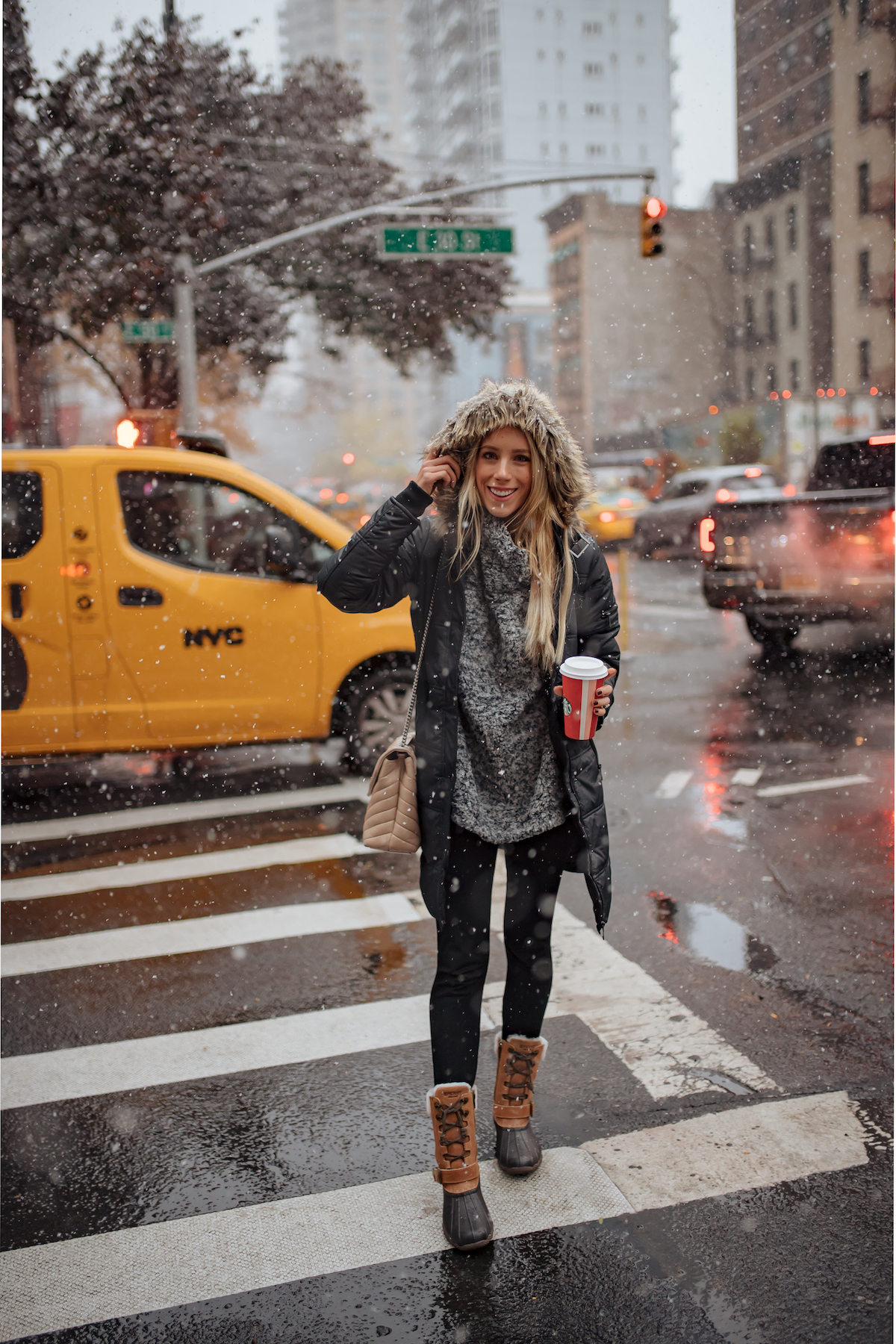
The biggest mistake visitors make when traveling to New York is over-relying on a single, bulky garment. While a thick parka is essential, the real secret to staying warm lies in what happens underneath. The city’s infrastructure—from the sweltering heat of the Subway to the radiator-cranked interiors of local cafes and Museum of Modern Art—means you will be constantly transitioning between freezing outdoor temperatures and intense indoor heat.
The Base Layer: Your First Line of Defense
Start with a high-quality base layer. Avoid cotton, which traps moisture and will leave you feeling chilled the moment you stop moving. Instead, opt for thermal materials like merino wool or synthetic moisture-wicking fabrics. A lightweight, long-sleeved thermal top and matching bottoms can be worn comfortably under jeans or trousers without adding bulk. These pieces act as a second skin, regulating your body temperature and preventing the bitter wind from piercing through your outer layers.
The Mid-Layer: Insulation is Key
Your mid-layer is the bridge between your base and your outerwear. A high-quality cashmere sweater, a fleece-lined pullover, or a lightweight down vest serves this purpose perfectly. By using a vest or a sweater, you have the flexibility to remove a layer when you step inside a crowded store or a cozy restaurant in Greenwich Village. This modular approach prevents overheating, which is often the primary cause of discomfort for tourists trekking across Central Park.
Selecting the Right Outerwear and Accessories
Your coat is your public face in New York City. It is the one item you will wear in almost every photograph and every social setting. While fashion is important, functionality must remain the priority.
The Long-Form Coat
When choosing a coat, length matters. A parka that hits at or below the knee provides significantly more protection than a waist-length jacket. Look for insulation—down feathers offer the highest warmth-to-weight ratio, while synthetic alternatives are excellent if you are looking for water resistance. If you prefer a more tailored look for dinner at a high-end establishment in Midtown Manhattan, a wool-blend coat with a silk or quilted lining can be sufficiently warm, provided it is well-structured and wind-resistant.
Essential Winter Accessories
The extremities are where you will feel the cold first. Your accessories are not merely accents; they are functional necessities.
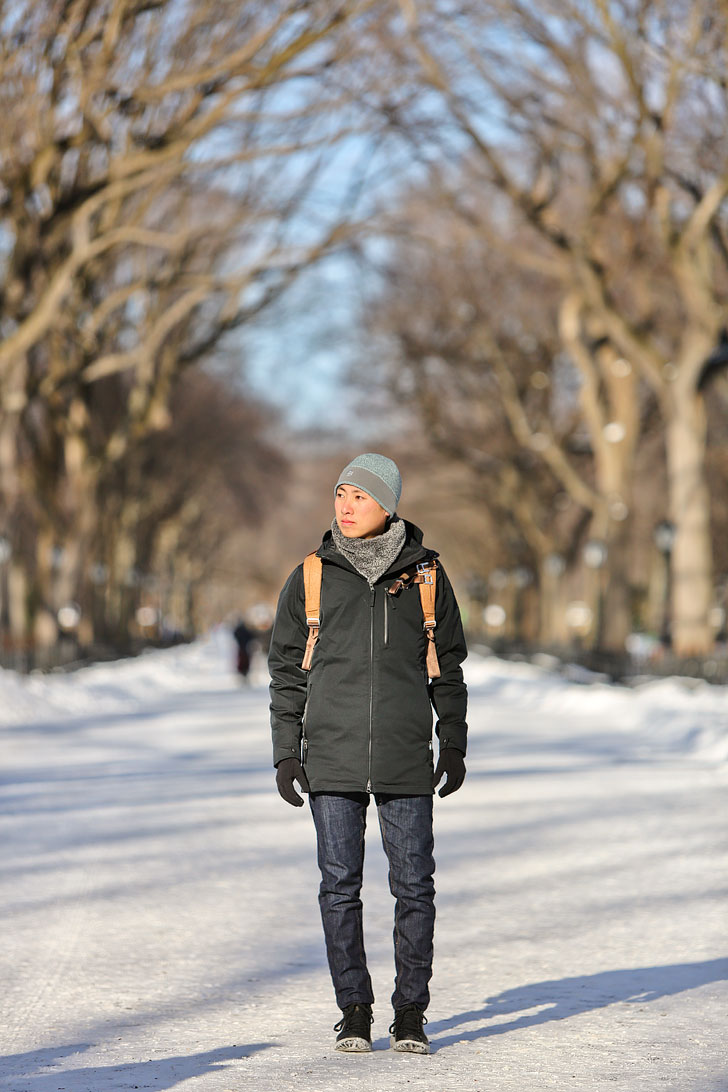
- The Scarf: Invest in an oversized wool or cashmere scarf. Being able to tuck your face into a thick layer of fabric when walking down the windy avenues of the Financial District is a game-changer.
- The Gloves: Leather gloves with conductive fingertips allow you to navigate your phone for maps or ride-share apps without exposing your skin to the sub-zero air.
- The Headwear: A beanie that covers your ears is non-negotiable. Whether you prefer a classic watch cap or a trendier knit style, ensure it fits snugly enough that a gust of wind won’t claim it as a souvenir.
Footwear: Conquering the Sidewalks
If you are visiting New York in the winter, you will be walking—a lot. Your footwear choices must be able to withstand slush, ice, and miles of pavement.
Prioritizing Traction and Waterproofing
Fashion sneakers might be popular among the locals, but in the heart of winter, they are a liability. Salt and slush are the enemies of good footwear. Opt for boots with rubber soles that provide deep traction to prevent slipping on icy patches near the Brooklyn Bridge. Waterproof leather or treated suede boots are ideal, as they can handle the inevitable puddles that form at crosswalks.
The Comfort Factor
Wool socks are your best friend. Even if your boots are well-insulated, an extra pair of thick merino wool socks will provide the necessary buffer between your feet and the freezing ground. Ensure your boots have enough room to accommodate these thicker socks without restricting circulation; tight boots will actually make your feet colder by cutting off blood flow. If you plan on doing significant sightseeing, consider an insole with arch support, as the hard city pavement can be unforgiving on the feet after a long day of exploring Times Square.
Curating Your Look for Indoor/Outdoor Transitions
New Yorkers are masters of the “chic yet functional” aesthetic. You want to look like you belong, not like you are on an expedition to the North Pole. The trick is to keep your silhouette clean.
Embracing the New York Aesthetic
The color palette of the city in winter is famously dark. Black, navy, charcoal, and camel are the dominant hues. By sticking to a neutral color scheme, you can easily mix and match your layers, ensuring that every combination looks intentional and polished. A sleek, monochromatic outfit—perhaps a black thermal base, dark slim-fit jeans, and a dark wool coat—will allow you to fit into the bustling crowd at Grand Central Terminal without looking like a typical tourist.
The Importance of Portability
Remember that you will be carrying your extra layers when you are indoors. A tote bag or a crossbody bag that is large enough to hold a folded scarf or a spare pair of gloves is a helpful addition to your travel gear. If you are visiting galleries like the The Met, keep in mind that you will likely be checking your heavy coat, so ensure your outfit underneath is something you feel comfortable walking around in for a few hours.

Preparing for Evening Elegance
If your itinerary includes a show on Broadway or a late-night cocktail at a lounge, do not feel the need to sacrifice warmth entirely. A thermal camisole worn under a dress or a button-down shirt is an invisible way to stay warm. Many theaters and restaurants in Manhattan are drafty by the doors, so keep your coat within reach until you are firmly settled in your seat.
By focusing on high-quality fabrics, prioritizing waterproof footwear, and mastering the art of layering, you can focus on the beauty of New York rather than the bite of the winter wind. When you are properly dressed, the city transforms from an obstacle course into the world’s most exciting playground, regardless of what the weather app says.
LifeOutOfTheBox is a participant in the Amazon Services LLC Associates Program, an affiliate advertising program designed to provide a means for sites to earn advertising fees by advertising and linking to Amazon.com. Amazon, the Amazon logo, AmazonSupply, and the AmazonSupply logo are trademarks of Amazon.com, Inc. or its affiliates. As an Amazon Associate we earn affiliate commissions from qualifying purchases.