
Planning a getaway to the heart of the American Midwest involves more than just mapping out scenic drives, booking charming places to stay, and discovering local culinary gems. Whether you are budgeting for a cross-country road trip through Kansas, shopping for unique souvenirs in Wichita, or enjoying a fine dining experience in Overland Park, understanding the financial landscape is a crucial part of travel planning. While many travelers focus entirely on lodging, fuel, and attraction tickets, unexpected costs at the cash register can surprise even the most meticulous vacationer. Navigating state, county, and municipal levies ensures your travel budget remains accurate from arrival to departure.
Understanding the Base State Sales Tax
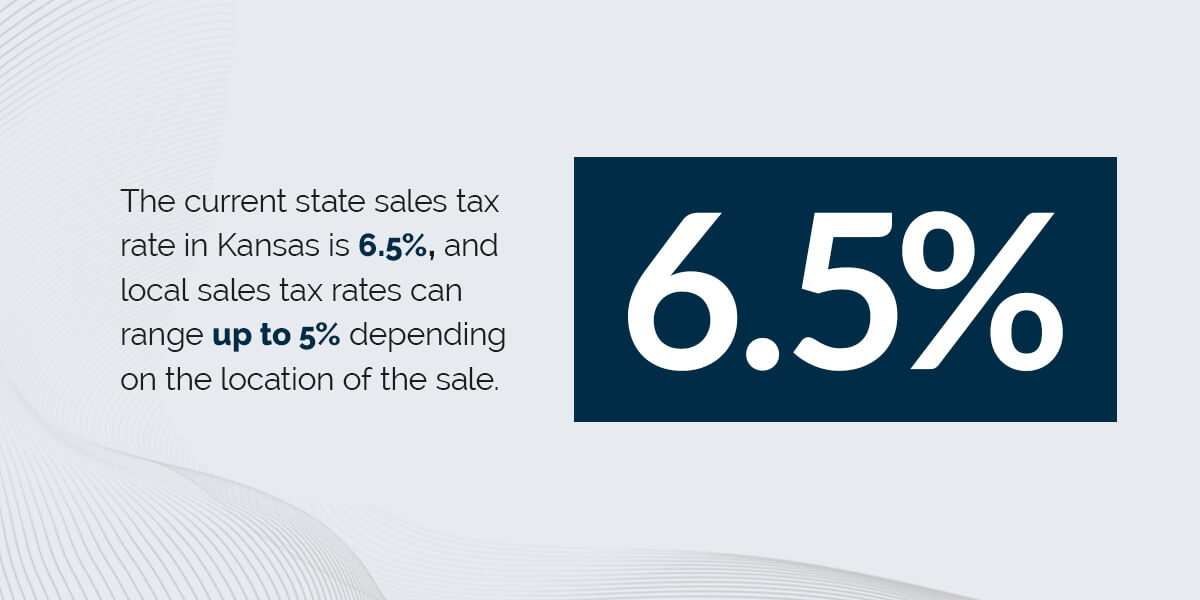
When exploring America and its diverse states, travelers quickly realize that consumption taxes vary wildly across borders. In the Sunflower State, the baseline state-level sales tax is established at 6.5%. This statewide percentage applies to the vast majority of retail goods, tangible personal property, and specific services purchased throughout the region.
However, this 6.5% figure is merely the foundation. Unlike states that maintain a single, uniform sales tax statewide, Kansas empowers local counties and municipalities to add their own regional levies on top of the state baseline. This decentralized approach means that the final amount you pay at checkout depends heavily on your exact geographic coordinates within the state.
How Local Jurisdictions Influence the Total
As you journey from vibrant urban centers like Kansas City to tranquil rural communities near the Tallgrass Prairie National Preserve, the cumulative tax rate fluctuates. Local governments implement these additional fractions of a percent to fund community infrastructure, public safety, and local tourism initiatives.
- County Add-ons: Individual counties frequently tack on anywhere from 0.5% to 2.0% to the base state rate.
- City Add-ons: Incorporated cities and towns often incorporate their own municipal tax, further shifting the final calculation.
- Special Districts: Certain entertainment zones, transit districts, or special improvement areas may levy micro-percentages to support localized development projects.
Consequently, when you sit down for a meal in Topeka or browse boutique shops in Lawrence, the combined rate you encounter on your receipt will likely range between 7.5% and 10.5%, depending entirely on the municipality.
Tax Implications for Travelers: Lodging, Dining, and Entertainment
For vacationers and business travelers alike, understanding how consumer taxes apply to travel-specific expenditures is essential for accurate trip budgeting. The expenses that make up the bulk of a travel itinerary—such as hotel rooms, rental cars, and restaurant meals—are subject to specific regulatory frameworks.
Accommodations and Lodging Taxes
Securing a comfortable place to stay is usually the largest single expense of any trip. When booking a room at a boutique hotel in Abilene or a cozy bed-and-breakfast near Dodge City, travelers must account for more than just the nightly room rate.
In addition to the standard sales tax, lodging providers in Kansas often collect local transient guest taxes. These special hospitality levies are specifically designed to fund local tourism promotion, convention bureaus, and civic event spaces. Depending on the municipality, the combined tax on a hotel stay can easily elevate the final bill by 10% to 15% once state sales tax, county tax, and local lodging fees are aggregated. Always review the itemized breakdown before confirming your reservation to avoid surprises upon check-out.
Dining Out and Grocery Purchases
Sampling regional cuisine is one of the greatest joys of exploring new destinations. Whether you are grabbing a world-famous barbecue lunch or visiting a local farmers market, how food is taxed depends heavily on the point of sale.
- Prepared Foods and Restaurant Meals: Dining out at restaurants, cafes, and fast-food establishments is treated as a standard retail transaction, meaning it is subject to the full combined state and local sales tax rate.
- Unprepared Grocery Items: For travelers opting to stock up on snacks for a scenic drive through the Flint Hills, grocery purchases historically faced the full state tax rate. However, legislative adjustments have gradually reduced the state-level tax on groceries, offering relief to both residents and visitors purchasing basic food ingredients for picnics and self-catered stays.
Tips for Budgeting Your Trip to the Sunflower State
Financial preparation is the hallmark of a stress-free vacation. By anticipating how consumer fees and localized levies impact your purchasing power, you can design an itinerary that aligns seamlessly with your financial goals.
Utilize Digital Mapping and Tax Calculators
Before embarking on your journey, take advantage of online resources provided by the Kansas Department of Revenue. Their official jurisdiction lookup tools allow travelers to enter specific zip codes or street addresses to determine the exact combined tax rate for any given destination. This is particularly useful if you are planning major shopping excursions or purchasing high-value items during your travels.
Factor Incidentals into Your Financial Plan
Many travelers calculate their daily expenses based solely on advertised prices, only to find their funds depleting faster than anticipated. To maintain a healthy travel budget, consider the following proactive strategies:
- Add a 10% Buffer: When calculating estimated costs for dining, shopping, and entertainment, mentally add a 10% buffer to cover fluctuating local tax rates.
- Review Rental Car Agreements: Car rentals are subject to standard sales taxes alongside specialized vehicle rental excise taxes and airport concession fees. Read the fine print of your rental agreement to understand the total out-of-pocket cost.
- Check Receipt Itemizations: Keep track of your spending by reviewing itemized receipts, ensuring that local merchants apply the correct jurisdictional rates to your purchases.
By familiarizing yourself with these financial nuances, you can focus less on unexpected register totals and more on immersing yourself in the rich culture, history, and natural beauty that await across the state.
LifeOutOfTheBox is a participant in the Amazon Services LLC Associates Program, an affiliate advertising program designed to provide a means for sites to earn advertising fees by advertising and linking to Amazon.com. Amazon, the Amazon logo, AmazonSupply, and the AmazonSupply logo are trademarks of Amazon.com, Inc. or its affiliates. As an Amazon Associate we earn affiliate commissions from qualifying purchases.