
Spring in New York City is a period of profound transformation. While the astronomical calendar dictates that the season begins on the vernal equinox—typically falling on March 20th or 21st—anyone who has spent a significant amount of time in the United States knows that nature rarely follows a rigid schedule. For New Yorkers, spring is less of a specific date and more of a feeling, a gradual shedding of winter layers that manifests in the blooming of bulbs and the slow return of life to the city’s vast park systems.
Decoding the Seasonal Transition
The transition from winter to spring in New York is often a fickle affair. March is notoriously unpredictable, frequently delivering “false springs” that lure residents into Central Park without a coat, only to be followed by a sudden, biting cold snap.

The Astronomical vs. Meteorological Reality
Astronomically, the spring equinox marks the moment when the sun crosses the celestial equator, balancing day and night. However, meteorologists define spring as beginning on March 1st. In Manhattan, the actual arrival of warmer weather usually lags behind these definitions. It is common to experience temperatures hovering near freezing well into mid-March. True spring, characterized by consistent daytime temperatures above 50°F (10°C), typically arrives in late April.
The Role of Urban Microclimates
The density of Brooklyn and Queens creates a heat-island effect that can make the city feel slightly warmer than the surrounding suburbs. Despite this, the proximity to the Atlantic Ocean brings cool maritime breezes that can counteract the warming effects of the sun. Visitors planning a trip during this time should be prepared for layers, as the shade of skyscrapers can make the temperature feel significantly cooler than the open plazas of Rockefeller Center.
Botanical Indicators of the Season
For those observing the natural world, the real indicators of spring are found in the city’s meticulously maintained green spaces. The shift is subtle at first, beginning with the resilient crocus and ending with the grand spectacle of the cherry blossoms.
The Awakening of Central Park
Central Park serves as the primary gauge for seasonal change in the city. The first signs are the Witch Hazel, which bloom even before the snow fully melts. By late March, the Forsythia bushes begin to glow in vibrant yellow, signaling that the ground has sufficiently thawed. For locals, this is the unofficial green light to begin planning outdoor excursions.
The Cherry Blossom Watch
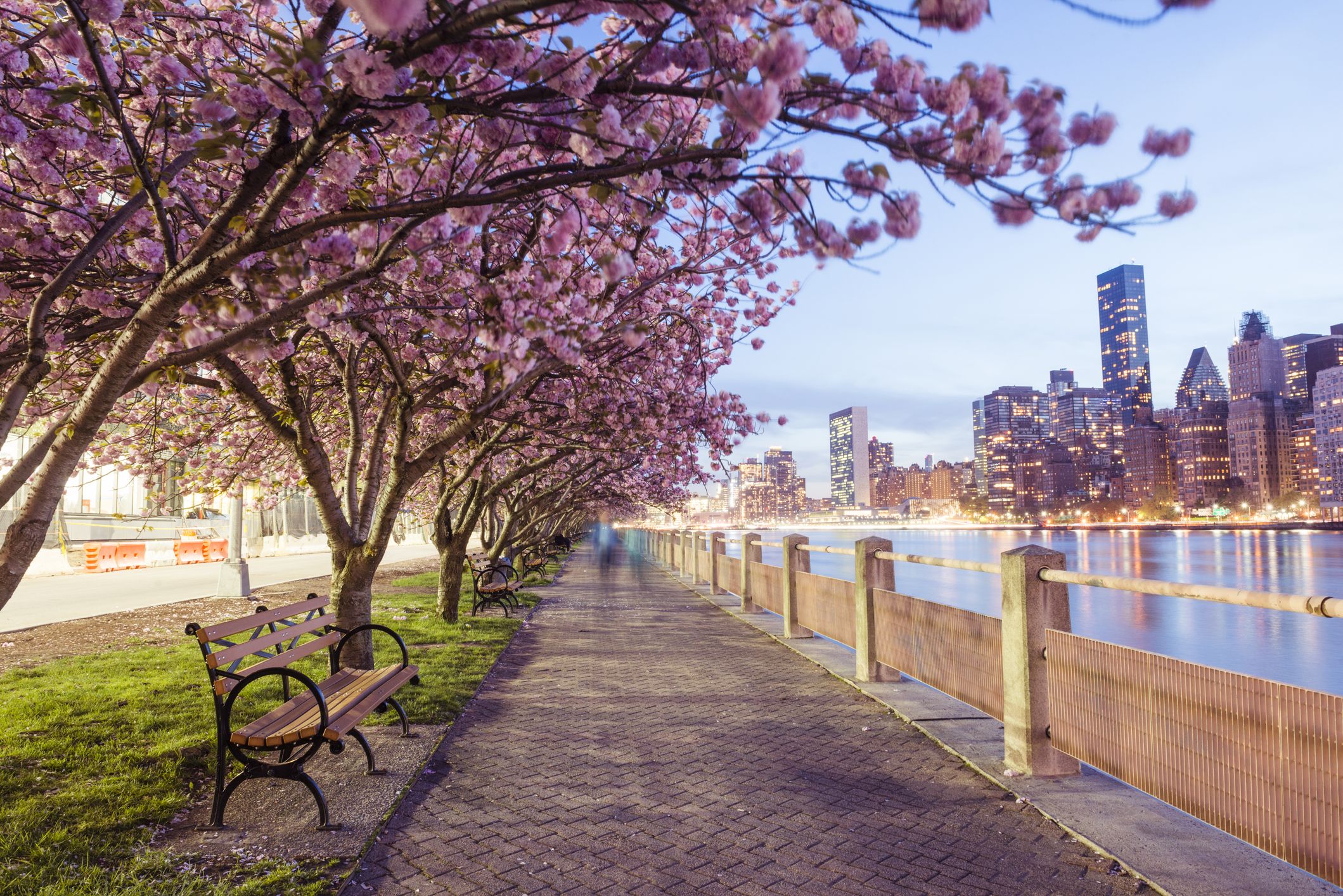
The most anticipated event of the New York spring is the blooming of the cherry blossoms. While many tourists flock to the Brooklyn Botanic Garden, there are pockets of beauty throughout the five boroughs. The timing is entirely dependent on the severity of the preceding winter. In a mild year, the blossoms may peak in early April; in a harsh year, they might hold off until the first week of May. Tracking the bloom status is a favorite pastime, reflecting the collective yearning for the warmth that follows the long, gray winter months.
Cultural and Lifestyle Shifts
As the city shakes off the winter chill, the social landscape shifts dramatically. The return of spring acts as a catalyst for a surge in energy, marking the transition from indoor-focused activities to the vibrant, outdoor-centric culture that defines the warmer months.
Dining and Sidewalk Culture
One of the most noticeable changes is the re-emergence of outdoor dining. When the temperature hits 60°F (15°C), it is practically a civic duty for residents to occupy sidewalk cafes. Neighborhoods like Greenwich Village and West Village come alive as restaurant patrons trade cozy, dimly lit interiors for sunlight and street-side seating. This migration signals that the city’s metabolism is speeding up, with foot traffic increasing and public squares like Washington Square Park becoming the focal point of community interaction.
The Reopening of Outdoor Attractions
Many seasonal activities resume in the spring. Bike paths along the Hudson River become crowded again, and the ferries operating in New York Harbor begin to offer more comfortable viewing experiences from their open-air decks. It is the ideal window for sightseeing, as the city is waking up but has not yet reached the stifling humidity or the peak tourist congestion of July and August.
Practical Tips for Spring Travelers
Traveling to New York during the spring months requires a strategy that acknowledges the region’s climate volatility. Flexibility is the key to enjoying the transition period.
Strategic Packing for Variable Weather
Because New York weather in March and April is notoriously fickle, the “layered” approach is mandatory. A lightweight, waterproof jacket is essential, as spring showers are frequent and often intense. Footwear should be durable and waterproof; the combination of melting snow runoff and spring rain can make the streets of Times Square and other major hubs quite slushy.
Optimizing Your Itinerary
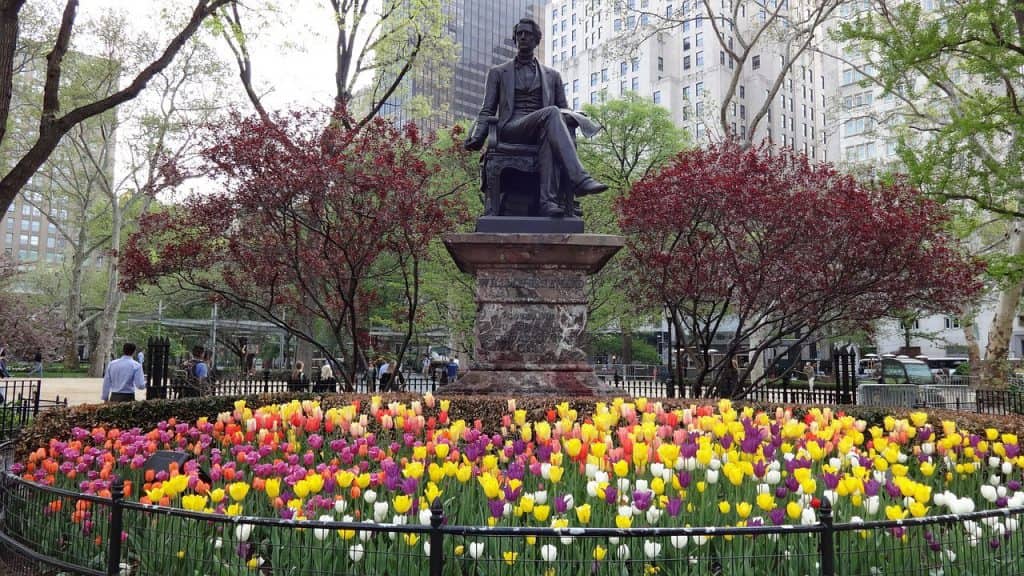
If your goal is to experience the “peak” of spring, aim for mid-April. This timeframe typically offers the best balance: the risk of snow is essentially zero, the trees are in full leaf, and the city’s seasonal festivals begin to ramp up.
- Early Spring (March): Ideal for museum-hopping and enjoying indoor cultural institutions like the Metropolitan Museum of Art without the massive summer crowds.
- Mid-Spring (April): Perfect for walking tours, park picnics, and taking the Staten Island Ferry to catch the budding skyline views.
- Late Spring (May): The precursor to summer, where evenings are mild enough for outdoor theater and rooftop dining across the East River.
Ultimately, when spring starts in New York is a matter of perspective. Whether you look to the Empire State Building to gauge the light or simply notice the return of the lunch crowd to the steps of the New York Public Library, the shift is undeniable. It is a time of renewal, where the city pauses its frantic pace for a brief moment to celebrate the return of warmth, light, and the promise of a vibrant season ahead. By understanding these subtle cues, visitors can time their arrivals to catch the city at its most hopeful and rejuvenated state.
LifeOutOfTheBox is a participant in the Amazon Services LLC Associates Program, an affiliate advertising program designed to provide a means for sites to earn advertising fees by advertising and linking to Amazon.com. Amazon, the Amazon logo, AmazonSupply, and the AmazonSupply logo are trademarks of Amazon.com, Inc. or its affiliates. As an Amazon Associate we earn affiliate commissions from qualifying purchases.