
For those looking to build a professional career within the vibrant landscape of New York, obtaining a security guard license is a foundational step. Whether you are aiming to work at high-end establishments, iconic Times Square venues, or quiet corporate offices, the New York State Division of Criminal Justice Services (DCJS) mandates specific protocols for anyone seeking to serve in a private security capacity. This guide outlines the rigorous requirements and pathways for individuals pursuing a career in the Empire State’s security sector.
Understanding the Legal Requirements and Prerequisites
Before embarking on the certification journey, it is essential to understand the regulatory environment of New York State. The state enforces strict standards to ensure that security professionals are equipped to handle the diverse responsibilities associated with protecting property and the public.

Age and Background Qualifications
To qualify for a security guard registration, an applicant must be at least 18 years of age. Furthermore, applicants must be citizens or resident aliens of the United States. A critical component of the application process is the background check. Since security personnel are often tasked with high-responsibility duties near landmarks like Central Park or within the bustling terminals of John F. Kennedy International Airport, the state requires a clean criminal record. Any history of serious criminal convictions may serve as grounds for denial of the license.
The Mandatory Training Framework
Licensing is not merely about paperwork; it is about competency. New York requires a progression of training modules designed to prepare guards for the realities of the field. This training must be provided by a DCJS-approved security guard training school. These facilities are often strategically located throughout major hubs like Manhattan and Brooklyn, providing accessible entry points for aspiring professionals.
Navigating the Certification and Training Process
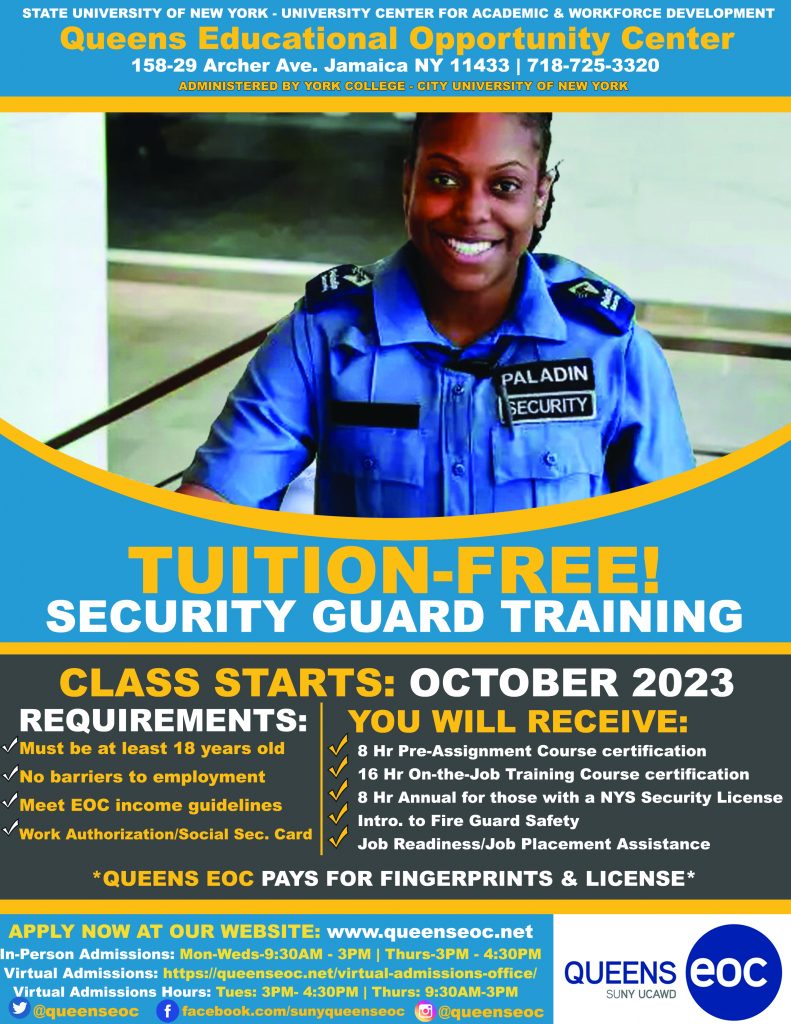
The path to licensure is divided into distinct phases, starting with the initial 8-hour pre-assignment training course. This phase is designed to provide a fundamental understanding of the role, legal authority, and ethical responsibilities of a security guard.
The 8-Hour Pre-Assignment Course
This initial course is the gateway to employment. During these eight hours, candidates learn about the role of a security professional, legal powers and limitations, emergency situations, and communication skills. Once successfully completed, the training school will issue a certificate. This certificate is crucial, as it must be submitted alongside your registration application to the Department of State. It is essentially your “learner’s permit” for the security industry.
The 16-Hour On-the-Job Training (OJT)
Once you have obtained your initial registration and secured employment, you are required to complete the 16-hour On-the-Job Training course. This must be completed within 90 days of your initial date of employment as a security guard. The OJT is specifically tailored to the duties of the security position you have accepted. Whether you are working at The Plaza Hotel or monitoring a commercial facility in Queens, the OJT ensures that your training is aligned with the specific security needs of your environment.
Annual In-Service Training
Professional growth is a lifelong commitment. To maintain an active license, security guards are required to complete an 8-hour annual in-service training course every year following the completion of the 16-hour OJT. This curriculum serves as a refresher on safety protocols, legal updates, and tactical awareness, ensuring that guards remain sharp and capable of managing evolving threats in a city as dynamic as New York City.
Submission and Registration Procedures
With the training certificates in hand, the next step involves navigating the bureaucratic requirements of the New York State Department of State. Accuracy is paramount here, as errors in the application can lead to significant delays in processing.
Filing the Security Guard Registration
The application for a security guard registration includes several components:
- The Application Form: A comprehensive form detailing your personal history and employment status.
- Fingerprinting: All applicants must undergo a fingerprinting process through a state-contracted vendor. This digital process allows the New York State Division of Criminal Justice Services to conduct a thorough background check against state and federal databases.
- The Fee: A non-refundable application fee must be paid.
- Certificate Submission: You must include copies of your completed 8-hour pre-assignment training certificate.
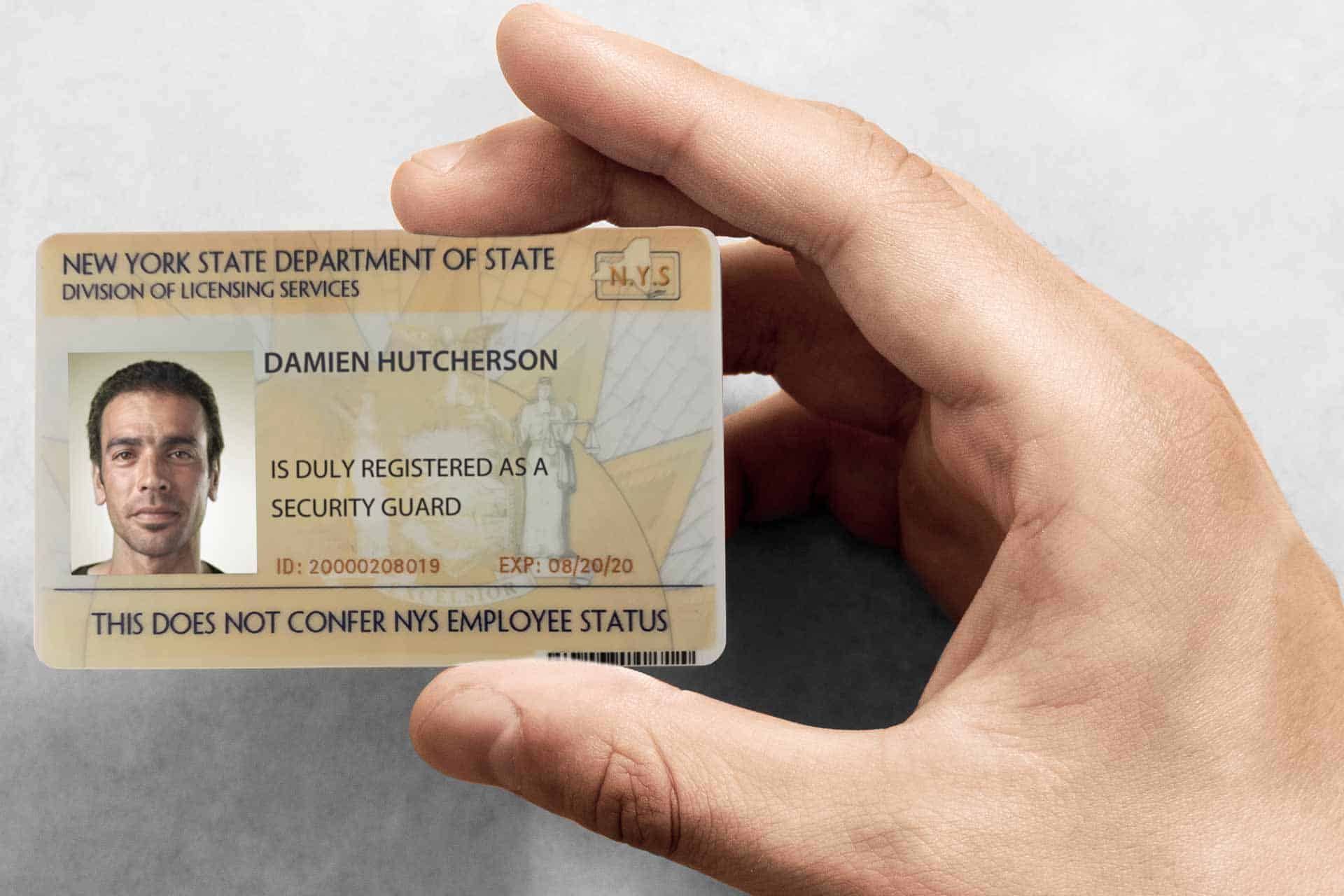
Once these items are submitted, the application is processed. Upon approval, you will receive your official security guard registration card, which you are required to carry while on duty.
Understanding License Reciprocity and Renewals
It is important to note that New York’s standards are distinct. If you have been licensed in another jurisdiction, you generally cannot bypass the training requirements. The state requires that all training be conducted by DCJS-approved instructors within New York. Furthermore, keep an eye on your expiration date. Security guard registrations in New York are valid for two years, and the renewal process involves confirming your continued adherence to state standards and, frequently, the completion of your most recent annual training cycle.
Professional Development for Advanced Security Roles
For those looking to advance their careers beyond an entry-level position—perhaps moving into management at major commercial buildings or executive protection—there are advanced certifications worth considering.
Armed Security Guard Certification
For roles that require the carrying of a firearm, a standard security guard registration is insufficient. You must obtain an armed guard registration. This requires a significantly higher level of training, typically involving a 47-hour firearms training course conducted by a DCJS-certified instructor, and the possession of a valid New York State pistol license. This path is rigorous, reflecting the gravity of the responsibilities involved in armed protection.
Specialized Training and Networking
Working in New York State offers unique opportunities for networking within the security industry. Professionals often seek additional certifications in areas like first aid, CPR, AED usage, or fire safety director credentials, particularly if they aspire to work at high-profile locations like The Empire State Building or The Museum of Modern Art.
By consistently investing in your professional development and maintaining strict compliance with state regulations, you position yourself as a reliable and skilled asset in the workforce. The security industry in New York is demanding, but for those who follow the prescribed regulatory path, it offers a stable and honorable career trajectory. Always remember to stay updated with any changes in the law through the official New York State Department of State website, as regulatory requirements can be subject to legislative adjustments. Through diligent adherence to these steps, you will be well on your way to becoming a licensed security professional ready to serve across the great state of New York.
LifeOutOfTheBox is a participant in the Amazon Services LLC Associates Program, an affiliate advertising program designed to provide a means for sites to earn advertising fees by advertising and linking to Amazon.com. Amazon, the Amazon logo, AmazonSupply, and the AmazonSupply logo are trademarks of Amazon.com, Inc. or its affiliates. As an Amazon Associate we earn affiliate commissions from qualifying purchases.