
When planning a trip to the scenic landscapes of Idaho, travelers often focus on booking the perfect lodge or mapping out routes through the Sawtooth National Forest. However, understanding the financial nuances of your destination—specifically the sales tax—is essential for accurate budget planning. Whether you are stocking up on gear in Boise or picking up local souvenirs in Coeur d’Alene, knowing the tax implications ensures your wallet remains as prepared as your itinerary.
Understanding the Idaho State Sales Tax Rate
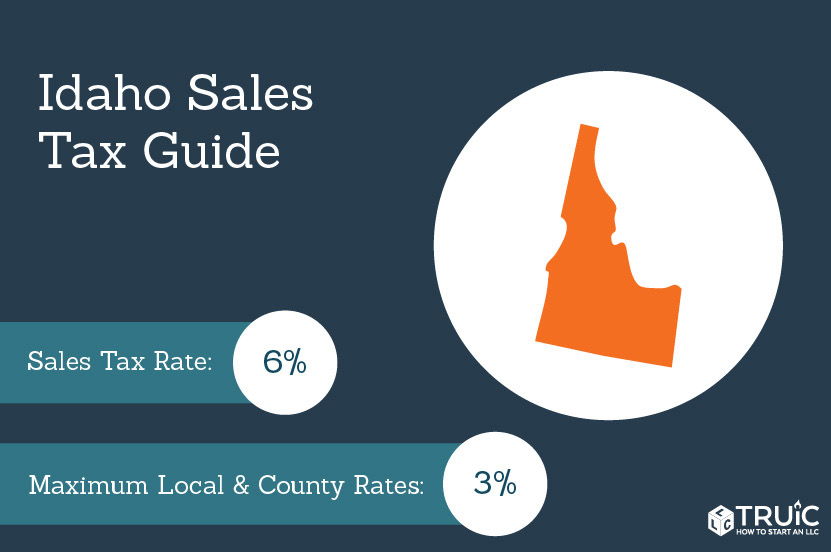
At the heart of Idaho taxation is the statewide sales tax rate, which currently stands at 6%. This rate applies to the sale of most tangible personal property and certain services across the state. From the moment you purchase a meal at a local diner in Sun Valley to buying supplies for a whitewater rafting trip on the Salmon River, this base rate is the foundation of your transaction costs.
The Role of Local Option Taxes
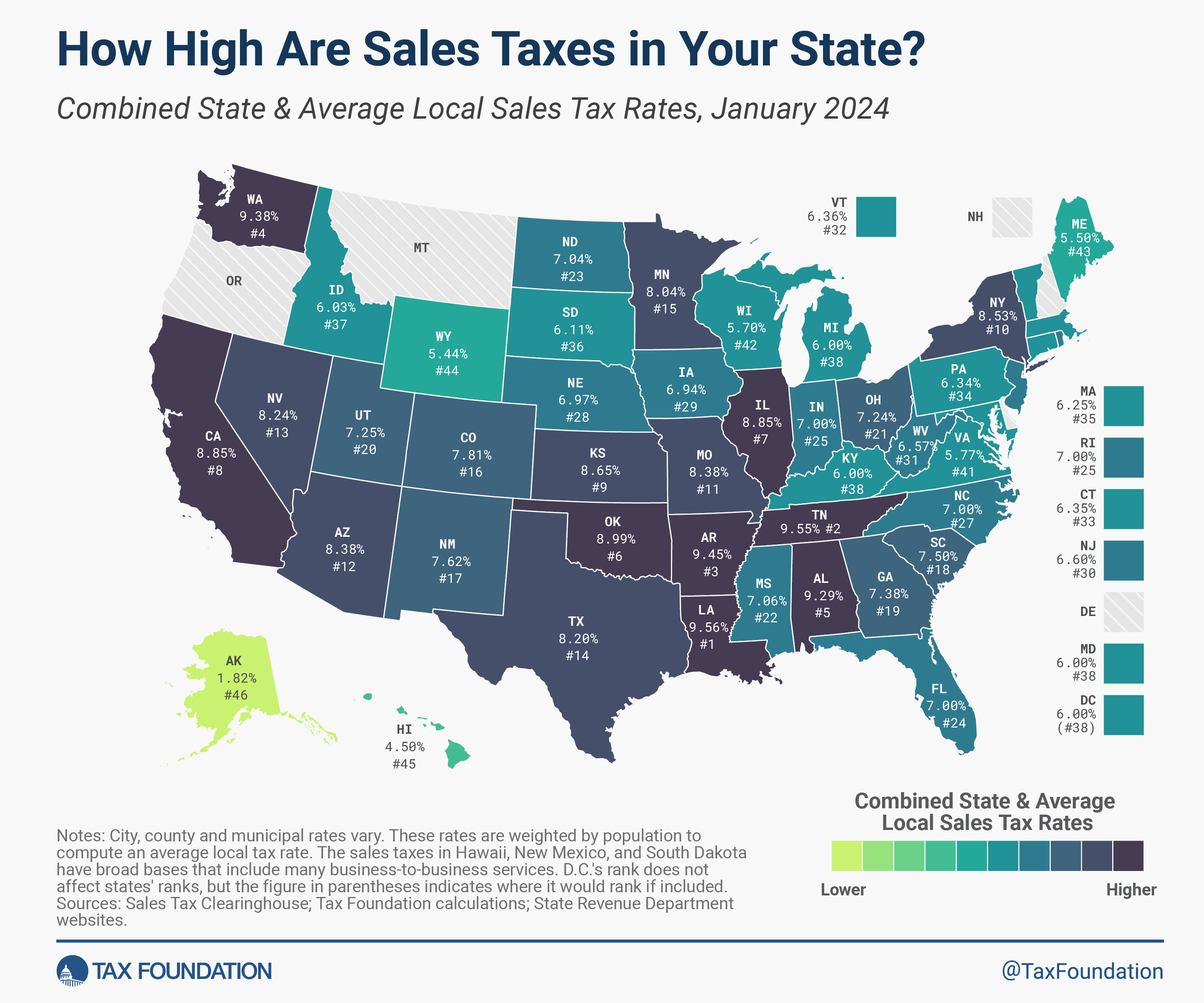
While the state sets a baseline, Idaho law permits certain municipalities and resort communities to implement a “local option tax.” This is a crucial detail for tourists. If you are visiting popular vacation hubs, you may encounter an additional tax rate levied on top of the state’s 6%. These funds are frequently used to support public infrastructure, tourism promotion, and the maintenance of local parks and trails.
For example, if you are staying in McCall or Stanley, the total tax burden on your purchase might be slightly higher than it would be in a more rural or unincorporated area. Always check your receipts, as these local additions vary by city and are specifically authorized through local ordinances to account for the influx of seasonal visitors.
How Sales Tax Impacts Your Travel Budget
For the budget-conscious traveler, the cumulative effect of sales tax can be significant, especially during a week-long excursion through the Rocky Mountains. When budgeting for a trip, it is wise to calculate your total estimated spend and add a margin for the 6% state tax, plus an additional 1% to 3% for potential local option taxes, depending on your specific destination.
Dining and Hospitality Costs
In the realm of tourism, your biggest expenditures will likely involve dining out and lodging. In Idaho, the sale of prepared food is subject to the state sales tax. When you sit down at a restaurant in Ketchum, the menu price is only the beginning. Between the sales tax and the potential for a local option tax, your final bill will naturally be higher than the price listed on the menu.
Hospitality is treated similarly. If you are checking into a hotel in Twin Falls, you will likely be charged state sales tax on your room rate. Furthermore, many Idaho cities impose a separate “lodging tax” or “hotel tax” to fund convention and visitor bureaus. These are distinct from the standard sales tax and are standard practice in the tourism industry to help offset the costs of maintaining high-quality visitor amenities.
Shopping and Souvenirs
Whether you are browsing the boutique shops in Idaho Falls or picking up handmade crafts in Sandpoint, keep in mind that the item’s sticker price rarely includes the tax. It is a common oversight for travelers to head to the register expecting to pay the exact price shown, only to be surprised by the added tax. By keeping the 6% baseline in mind, you can avoid checkout surprises.
Navigating Tax Exemptions and Specialized Purchases
Not everything you buy in Idaho is subject to the same tax rules. Understanding what is exempt can help you manage your funds more effectively. For instance, most unprocessed food items—groceries that you intend to prepare yourself—are treated differently than prepared restaurant meals. If you are planning an extended stay in a cabin near Redfish Lake and choose to cook your own meals, you will find that many staple grocery items in the state are taxed at the standard rate, but specific local policies might apply to convenience items.
Services vs. Tangible Goods
It is helpful to distinguish between tangible goods and services. While sales tax is strictly applied to goods, certain services provided by local tour operators in Lewiston or Moscow may or may not carry tax depending on how the service is structured. Generally, if you are hiring a guide for a fishing trip on the Snake River, the labor portion might be exempt, whereas the rental of equipment—such as kayaks or camping gear—will be subject to the full sales tax rate.
Planning for the “Resort” Tax
If you are traveling to a designated resort city, you should prepare for the “local option resort tax.” These areas are defined by state law as cities with a population under 10,000 that derive a major portion of their economic livelihood from tourism. Cities like Sun Valley are prime examples. In these locations, the tax is designed to ensure that visitors contribute to the infrastructure they are utilizing during their stay. While this might slightly increase your daily expenditure, it is also what keeps the amenities, such as public transit and maintained hiking trailheads, in excellent condition for your use.
Tips for Savvy Travelers in Idaho
To ensure your financial experience in Idaho is as smooth as your journey, consider these practical tips:
- Review Local Ordinances: If you have a primary destination in mind, a quick search for “local option tax [City Name]” can give you a clear picture of what to expect. This is especially true for popular mountain towns.
- Factor in the “Hidden” Costs: When using travel comparison websites for hotels, note that the taxes and fees are often broken out in the final booking screen. Always look at the “total price including taxes” to avoid disappointment.
- Keep Receipts for Reference: Especially if you are traveling for business or have a specific travel budget to adhere to, keeping your receipts is the best way to track how much you are paying in taxes compared to the base cost of your activities.
- Enjoy the Tax-Free Benefits: Remember that Idaho is a state rich in public land. Many of the most iconic experiences—such as hiking the trails of Craters of the Moon National Monument and Preserve or visiting the hot springs near Boise National Forest—cost nothing in terms of sales tax, as they provide free access to nature’s wonders.
By staying informed about the 6% state tax and being aware of the potential for local surcharges in tourist hubs, you can enjoy all that Idaho has to offer with complete financial confidence. Whether you are exploring the urban culture of Nampa or seeking the tranquility of the Bitterroot Range, your trip will be far more enjoyable when you know exactly where your travel budget is going.
LifeOutOfTheBox is a participant in the Amazon Services LLC Associates Program, an affiliate advertising program designed to provide a means for sites to earn advertising fees by advertising and linking to Amazon.com. Amazon, the Amazon logo, AmazonSupply, and the AmazonSupply logo are trademarks of Amazon.com, Inc. or its affiliates. As an Amazon Associate we earn affiliate commissions from qualifying purchases.