
The allure of New York City often centers on its culinary landscape, with none more iconic than the thin-crust, foldable slice of pizza. For locals in the United States, the quest for the perfect slice is a cultural pursuit rooted in tradition, chemistry, and high-heat ovens. Replicating this experience in your home kitchen requires more than just ingredients; it demands an understanding of the balance between a crispy exterior and a pliable, chewy interior.
The Foundation: Mastering the Dough
The soul of a New York slice lies in the dough. Unlike Neapolitan styles, which are often characterized by high hydration and soft, pillowy crusts, the authentic New York style requires a lower hydration level and a slower fermentation process.

The Science of Flour and Hydration
To achieve the characteristic “fold,” you need a dough with strength. Use high-protein bread flour rather than all-purpose flour. The higher protein content develops a gluten structure capable of holding the weight of the cheese and sauce without turning soggy. Aim for a hydration level of approximately 60% to 62%. Too much water, and the crust becomes airy and bready; too little, and it becomes brittle like a cracker.
The Cold Fermentation Method
The secret to the depth of flavor found in the best pizzerias across the Boroughs is time. After mixing your dough, divide it into balls and place them in airtight containers. Let them cold-ferment in the refrigerator for at least 48 to 72 hours. This process allows the enzymes to break down starches into sugars, resulting in a complex, slightly tangy flavor and better browning once the dough hits the intense heat of the oven.
The Sauce and Cheese: Simplicity is Key
In Manhattan or Brooklyn, the best pizza shops don’t overcomplicate their toppings. The sauce should be a canvas for the quality of the tomatoes, not a heavy, seasoned distraction.
The Tomato Profile
Start with high-quality canned whole peeled tomatoes, ideally San Marzano or a high-quality California plum tomato. Crush them by hand to maintain some texture, rather than pureeing them into a smooth liquid. A simple sauce consists of the tomatoes, a pinch of sea salt, and a splash of high-quality extra virgin olive oil. Avoid cooking the sauce beforehand; it will cook perfectly during the high-heat bake, retaining its bright, fresh acidity.
The Cheese Selection
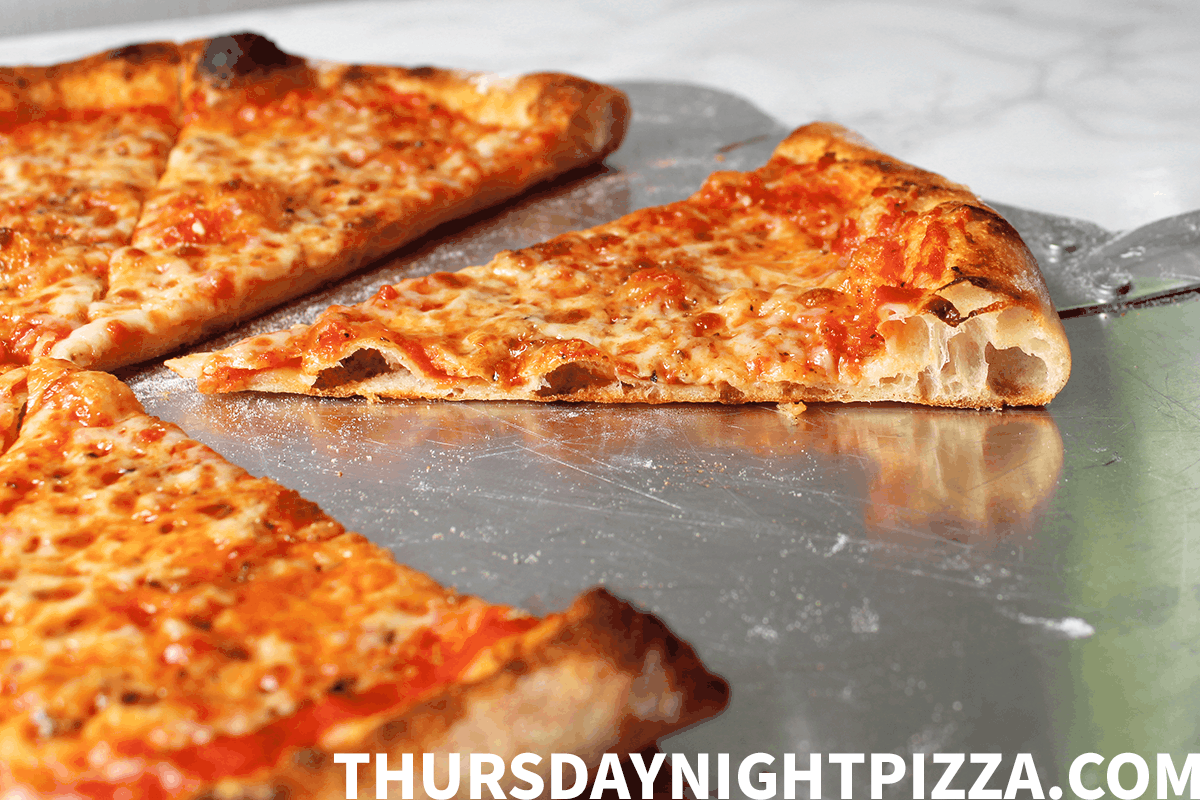
For the authentic New York aesthetic, reach for low-moisture, whole-milk mozzarella. Fresh mozzarella, while delicious, releases too much water during the baking process, creating pools of liquid that ruin the integrity of the crust. Shred the cheese yourself from a block to avoid the anti-caking agents found in pre-shredded varieties, which prevent a proper melt. A light dusting of grated Pecorino Romano adds that essential savory, salty finish that defines the New York palate.
The Baking Process: Replicating the Hearth
The single greatest challenge in recreating New York pizza at home is heat. A commercial deck oven in a shop like Joe’s Pizza can reach temperatures exceeding 600 degrees Fahrenheit, which is essential for that signature leopard-spotting and crispy undercarriage.
Utilizing a Pizza Stone or Steel
A standard residential oven rarely climbs above 550 degrees. To compensate, use a heavy pizza steel or a thick stone. Place your stone or steel on the highest rack of your oven and preheat it for at least an hour before you plan to bake. This creates a thermal reservoir that transfers intense heat directly into the dough, facilitating the “oven spring” that creates those small, crisp air bubbles in the crust.
The Art of the Stretch
Never use a rolling pin. Rolling the dough compresses the air bubbles you worked so hard to develop during fermentation. Instead, use your fingertips to press the dough into a disc, leaving a slightly thicker edge for the crust, or “cornicione.” Gently stretch the dough over your knuckles, allowing gravity to do the work. The goal is an even thickness throughout the center, with just enough strength to support the weight of the sauce and cheese.
Finishing Touches and Serving
Once the pizza is out of the oven, the final steps are critical to maintaining that perfect texture. Do not slice it immediately; let it sit for two minutes to allow the cheese to set slightly. This prevents the “pizza slide,” where the cheese and sauce migrate off the crust when you pick it up.
The Fold and Seasoning
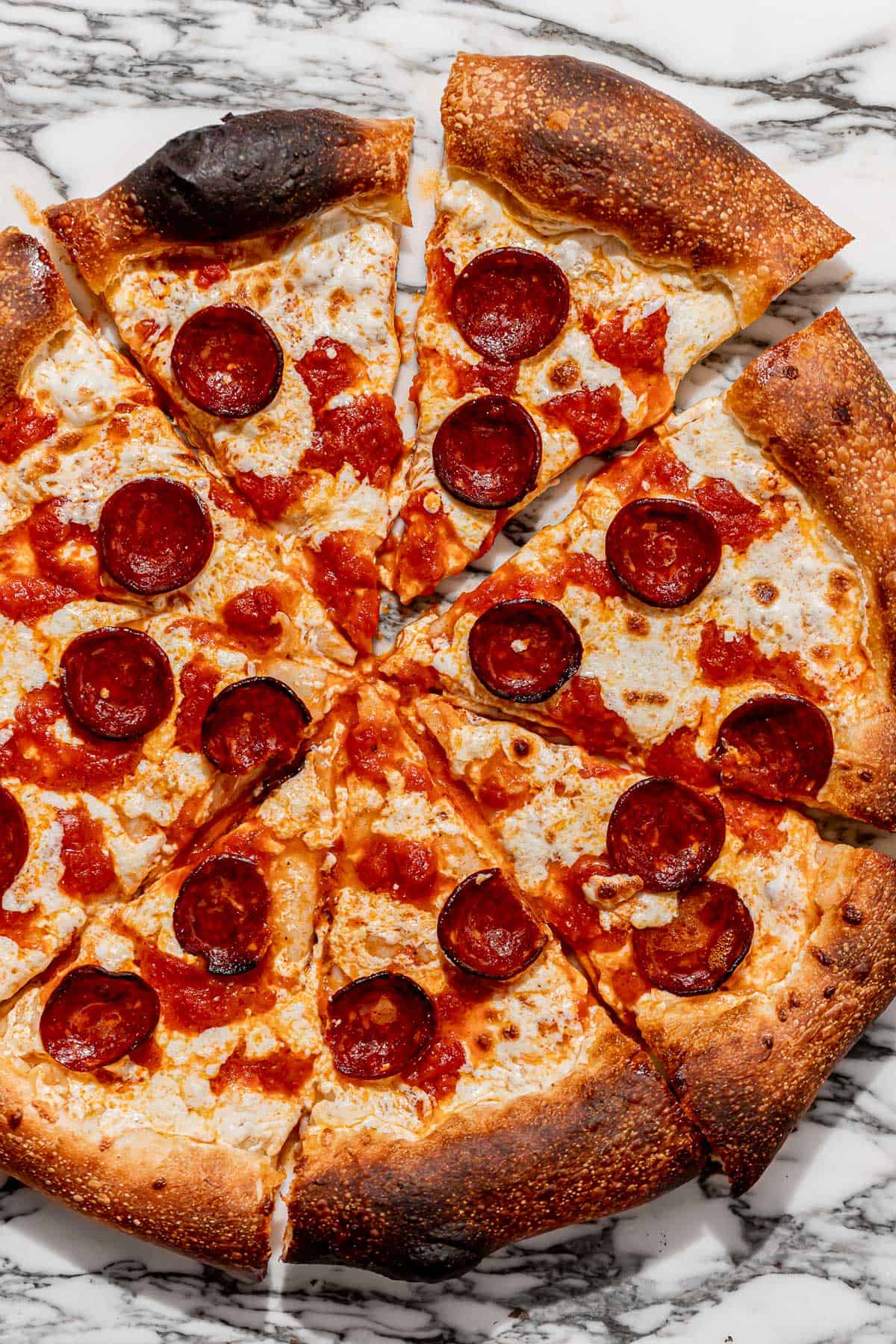
The New York slice is defined by its ability to fold in half lengthwise. If you have achieved the correct balance of dough strength and sauce moisture, it should hold its shape without drooping. For an extra touch of authenticity, finish the pie with a light sprinkle of dried oregano and a dusting of red pepper flakes. This mirrors the table-side experience one might find at a classic shop in Queens or The Bronx.
Troubleshooting Common Mistakes
If your crust is tough, you likely over-kneaded the dough or used a flour with too much protein. If it is soggy, your oven might not be hot enough, or your sauce is too watery. Remember that making pizza is an iterative process. Adjust your hydration levels, tweak your oven rack position, and experiment with different tomato brands. The journey toward the perfect home-baked New York pizza is as rewarding as the final product, serving as a culinary tribute to the spirit and history of the United States of America. By mastering these techniques, you bring a piece of the vibrant, bustling streets of New York State into your own kitchen, one slice at a time.
LifeOutOfTheBox is a participant in the Amazon Services LLC Associates Program, an affiliate advertising program designed to provide a means for sites to earn advertising fees by advertising and linking to Amazon.com. Amazon, the Amazon logo, AmazonSupply, and the AmazonSupply logo are trademarks of Amazon.com, Inc. or its affiliates. As an Amazon Associate we earn affiliate commissions from qualifying purchases.