
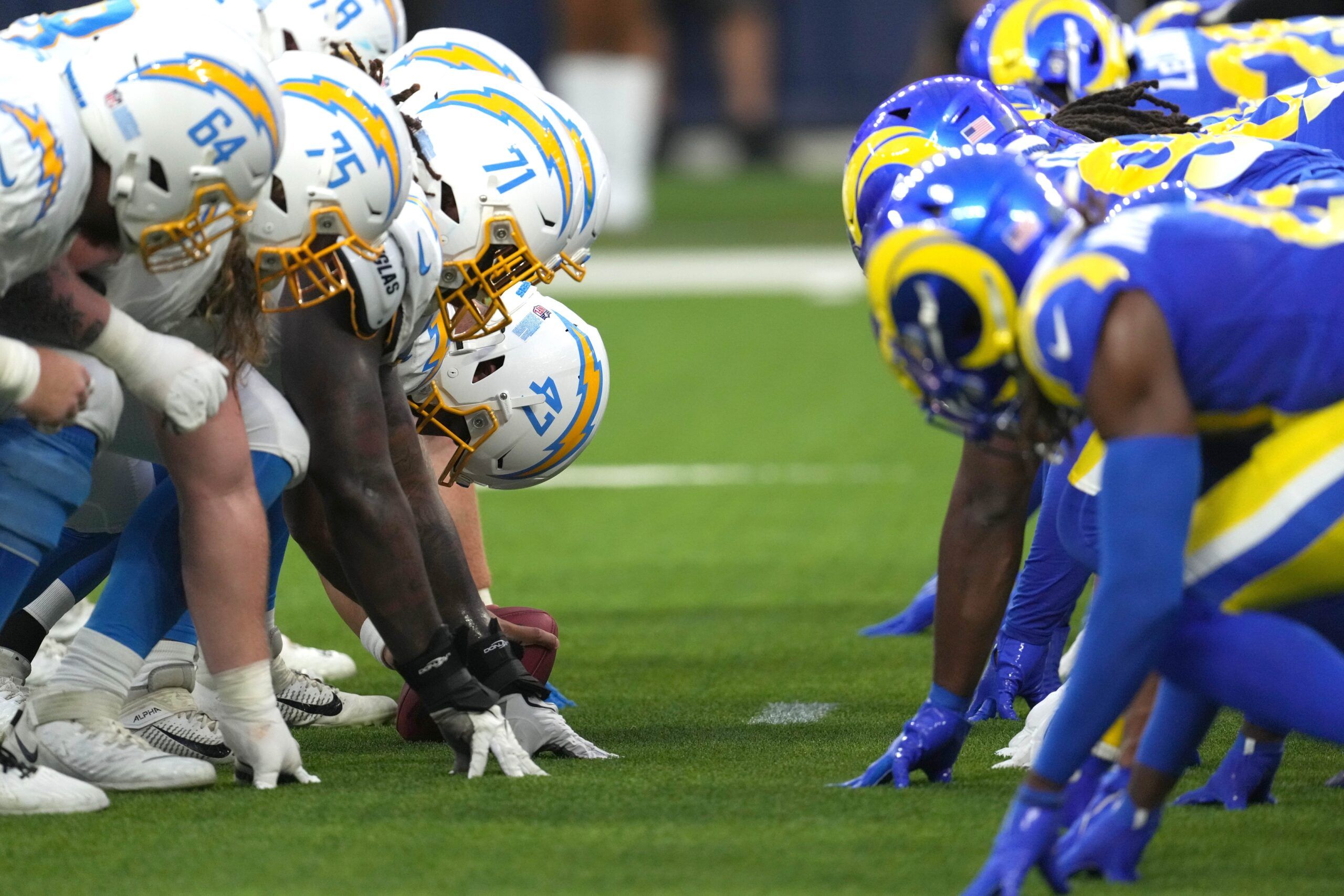
For decades, the city of Los Angeles was viewed as a graveyard for professional football. Following the departure of both the Raiders and the Rams in 1994, the second-largest media market in the United States famously spent twenty-one years without an NFL franchise. Today, the landscape has shifted dramatically, with two high-profile teams—the Los Angeles Rams and the Los Angeles Chargers—calling the region home. This evolution is not merely a matter of sports expansion; it is a complex tale of urban development, corporate strategy, and the shifting dynamics of local culture.
The Economic Engine of the Entertainment Capital
The return of the NFL to Southern California was driven by the realization that Los Angeles represents an unparalleled economic opportunity. Unlike many mid-sized markets that rely on tax subsidies to retain teams, the sheer size of the L.A. demographic makes it a goldmine for television rights, sponsorships, and high-end luxury hospitality.
Real Estate as the Catalyst
The construction of SoFi Stadium in Inglewood stands as the primary reason why the region can support two franchises. Developed as a multi-billion-dollar sports and entertainment complex, SoFi Stadium serves as an anchor for a massive real estate redevelopment project. By integrating a state-of-the-art football arena with retail spaces, office parks, and residential zones, the stadium functions as a year-round destination rather than just a seasonal venue. This infrastructure allows the Los Angeles Rams and the Los Angeles Chargers to maximize revenue streams beyond the typical ten-game home schedule.
Media Market Dominance
Los Angeles is a media powerhouse. The presence of two NFL teams provides broadcasters with an increased inventory of local games, which drives higher advertising revenue for networks. Furthermore, the global visibility of Hollywood offers a unique marketing platform that few other cities can match. By hosting two teams, the NFL ensures that the Southern California market remains engaged with the league every Sunday, rather than forcing local fans to align with out-of-market teams.
The Cultural Landscape of Dual Fandom
The integration of two football teams into the fabric of Los Angeles has sparked an interesting sociological experiment. Because Los Angeles is a transient city—a melting pot of people who have moved from New York, Chicago, and various international hubs—the loyalty landscape is fluid.

Building Local Identity
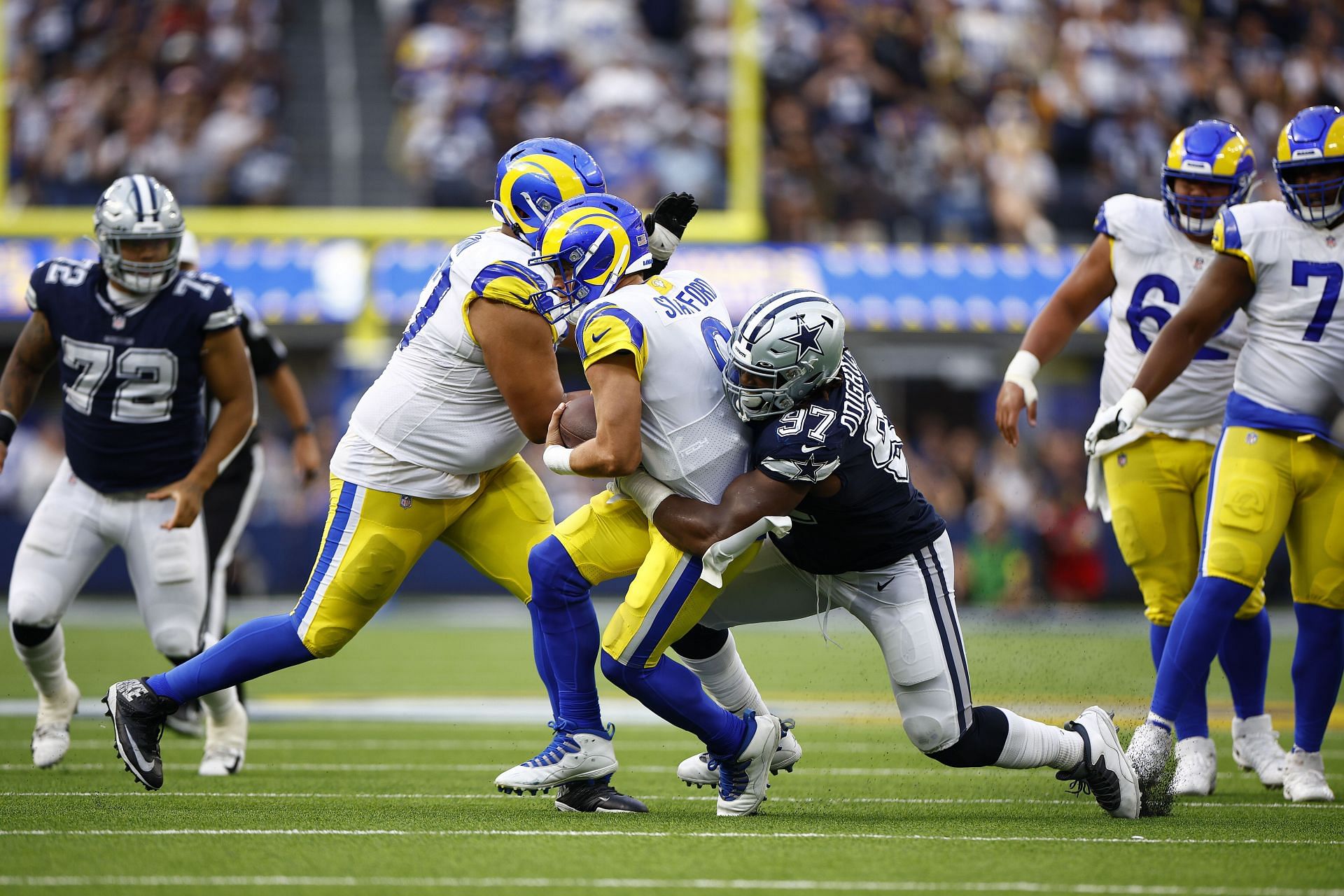
The Los Angeles Rams, having previously played in the city from 1946 to 1994, have leaned into their historical legacy to build a base among multi-generational fans. They capitalize on the nostalgia of the “Fearsome Foursome” era and their recent championship pedigree.
Conversely, the Los Angeles Chargers face the challenge of carving out a new identity. Having relocated from San Diego, the franchise has focused on a younger, tech-savvy demographic, emphasizing high-octane offensive play and a fresh brand aesthetic. By targeting different segments of the Southern California population, both teams attempt to exist in the same ecosystem without cannibalizing each other’s fan engagement.
The Influence of Tourism and Events
Los Angeles is a global tourism destination. The presence of two NFL teams contributes significantly to “sports tourism,” where fans from across the country travel to the city for weekend getaways centered around a big game. When the Los Angeles Chargers play a high-profile opponent, it attracts visitors who stay at the Beverly Wilshire or the Fairmont Miramar Hotel, contributing to the local service economy. The stadium itself, located near the Los Angeles International Airport, is perfectly positioned to capture this transient traveler demographic.
Challenges and Future Outlook
While having two teams in one city is a success for the NFL, it is not without its hurdles. Sharing a home venue creates scheduling complexities, and both teams must compete for the attention of a city that already boasts the Los Angeles Lakers, the Los Angeles Dodgers, and the Los Angeles Kings.
Navigating a Crowded Market
The saturation of professional sports in California requires the Rams and Chargers to engage in aggressive community outreach. From youth programs in Watts to major charitable initiatives in Santa Monica, both franchises understand that success in Los Angeles requires becoming a daily part of the community, not just a weekend spectacle. The key to long-term viability is proving that the city is not just a “fair-weather” market but one that can support the high operational costs of two distinct NFL organizations.
The Role of Luxury and Accessibility
The Los Angeles market is defined by its tiers of luxury. The game-day experience at SoFi Stadium is designed to mirror the high-end lifestyle synonymous with Beverly Hills and Malibu. Premium suites, high-end culinary partnerships, and exclusive club levels cater to the high-net-worth individuals and corporate sponsors that dominate the local economy. By catering to this demographic, both teams solidify their financial foundation, ensuring that they can remain competitive in a league where spending power is paramount.
Conclusion
The existence of two football teams in Los Angeles is a reflection of the city’s stature as a premier global hub. By leveraging modern infrastructure, capitalizing on a massive and diverse media market, and embedding themselves within the vibrant culture of Southern California, the Los Angeles Rams and the Los Angeles Chargers have successfully integrated into the tapestry of the city. Whether through the lens of economic development, urban planning, or tourism, the arrival of these teams has fundamentally altered the identity of the region, proving that Los Angeles is not just a destination for film and fashion, but a titan of modern professional sports. As the city continues to host world-class events, these two franchises will remain at the forefront of its cultural and economic evolution, inviting fans from around the world to experience the unique, high-energy environment of California football.
LifeOutOfTheBox is a participant in the Amazon Services LLC Associates Program, an affiliate advertising program designed to provide a means for sites to earn advertising fees by advertising and linking to Amazon.com. Amazon, the Amazon logo, AmazonSupply, and the AmazonSupply logo are trademarks of Amazon.com, Inc. or its affiliates. As an Amazon Associate we earn affiliate commissions from qualifying purchases.