
When travelers and history enthusiasts plan their journeys to the American South, they often focus on the vibrant jazz clubs of New Orleans, the sweeping oaks of Louisiana, and the hauntingly beautiful plantations that dot the banks of the Mississippi River. However, beyond the culinary delights of Creole cuisine and the festive atmosphere of Mardi Gras, the state possesses a complex legal and historical landscape that frequently sparks inquiry from those interested in the social fabric of the United States. Understanding the reality of the death penalty in this region requires a dive into the intersection of local culture, legal history, and the state’s approach to justice.
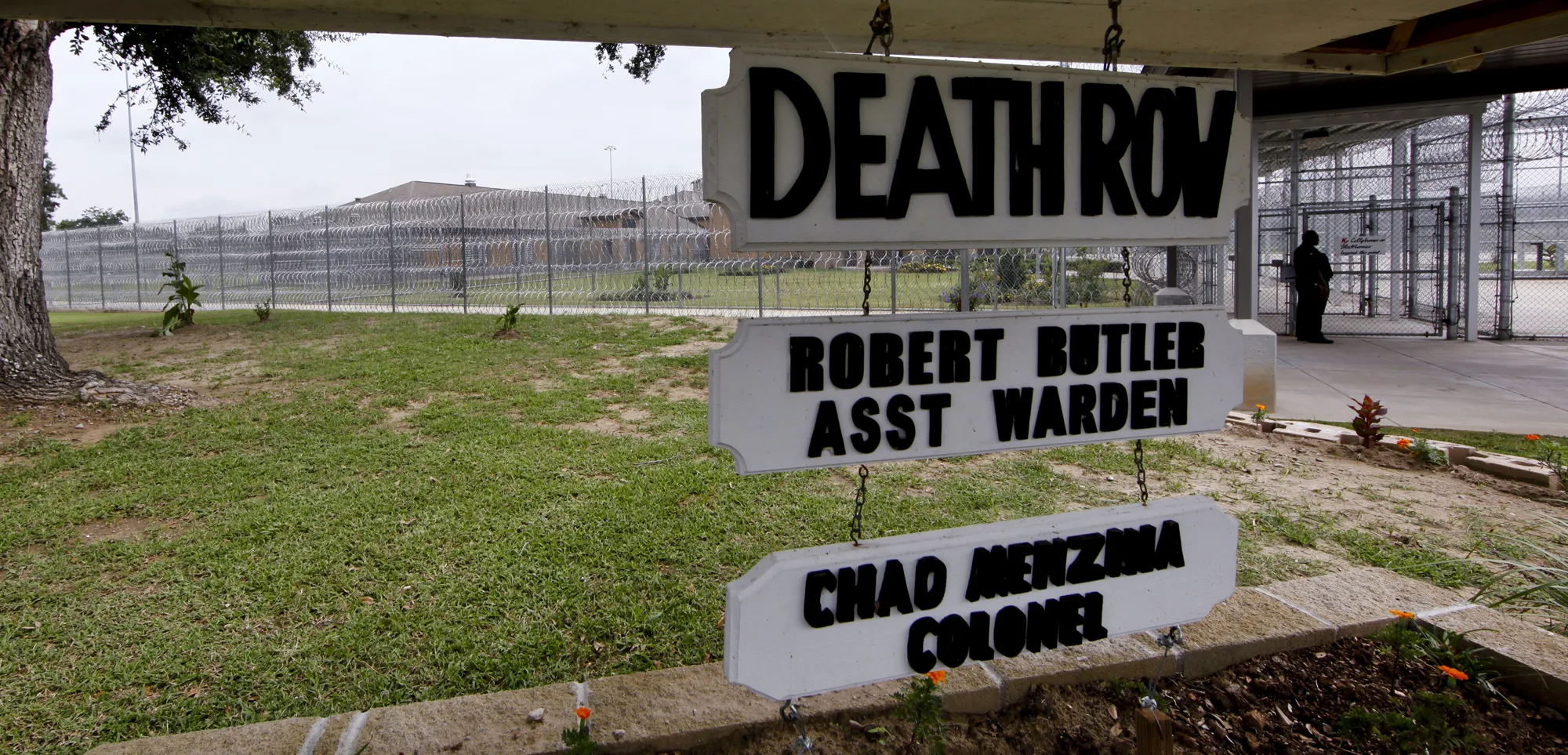
The Legal Standing of Capital Punishment in the Pelican State
For those curious about the legislative framework of the region, the answer is definitive: yes, Louisiana retains the death penalty as a legal sentencing option. Despite ongoing national debates and shifting public opinions regarding capital punishment, the state remains one of the jurisdictions where the practice is codified in law.
A Legislative Overview
The legal mechanisms governing the death penalty in this state are deeply rooted in its unique hybrid legal system. Unlike most other states that follow common law, this region operates under a civil law system derived from French and Spanish colonial influences. This heritage often results in distinct procedures for how crimes are prosecuted and how sentencing is determined. While statutes allow for capital punishment, the practical application has faced significant hurdles, including high costs, lengthy appellate processes, and recent challenges regarding the availability of lethal injection drugs.
Historical Context and Evolution
To understand the present, one must look at the past. The history of justice in this southern territory is inextricably linked to the broader evolution of the American South. From the territorial days through statehood, legal systems here have frequently mirrored the turbulent transitions of the country. Visitors interested in history often find that local archives and museums provide a clearer picture of how capital punishment has been scrutinized through various eras, reflecting broader social movements and legal reforms that have swept across the nation.
Cultural Perceptions and Local Impact
Travelers exploring the local culture of Baton Rouge or the quiet bayous will find that the death penalty is not merely a legal footnote but a subject of significant social discourse. The impact of such policies resonates within the community, influencing how citizens interact with the judiciary and how the state defines its moral compass.
Public Sentiment in Southern Society
The discourse surrounding the death penalty is multifaceted. In cities like Lafayette or Shreveport, you will encounter a wide spectrum of opinions. For many, the preservation of the death penalty is viewed as a necessary tool for retribution and justice, particularly in cases involving heinous crimes. For others, it represents an outdated practice that contrasts with the progressive ideals often found in the artistic and bohemian pockets of the state. Engaging with residents, one realizes that the topic is often debated with as much passion as the merits of a good gumbo or the history of Cajun music.

The Role of Advocacy and Tourism
It is not uncommon for visitors to engage with organizations that advocate for penal reform. The intersection of Tourism and social advocacy has become more pronounced in recent years. Educational tours that focus on the history of justice, architecture of former prisons, and the evolution of civil rights often provide a balanced narrative. These experiences allow travelers to see the state not just as a vacation destination, but as a place of complex human history where the debates of the courtroom are never far from the public square.
The Intersection of Justice and Landmark History
When visiting iconic sites such as the French Quarter, one is standing on soil that has witnessed centuries of legal evolution. The architecture of courthouses and the proximity to historic detention centers serve as physical reminders of how the state has handled serious crime throughout its lifespan.
Institutional Landmarks
Various sites across the state offer a glimpse into the history of confinement and the judicial process. Some former jail sites have been converted into museums or cultural centers, providing a sobering but necessary perspective on the evolution of law enforcement. For the history-minded tourist, these landmarks are essential for a complete understanding of the regional identity. They bridge the gap between the glamour of historic mansions and the stark reality of the penal system that has operated in the background for generations.
The Influence of Media and Literature
Much of the global perspective on the death penalty in this region has been shaped by literature and cinema. Books and films set in this state frequently highlight the gravity of capital trials, cementing the region’s reputation as a place where the drama of the courtroom is a recurring motif. Travelers often arrive with preconceived notions drawn from these works, which can lead to meaningful conversations with locals about how their home is portrayed versus how it functions in reality.
Future Outlook and Changing Perspectives
As we look toward the future, the status of the death penalty in this jurisdiction remains a point of fluidity. Legal scholars and civil rights activists continue to challenge the statutes, leading to a state of perpetual litigation.
The Slow Shift in Sentencing
Trends indicate that while the law remains on the books, the frequency of sentencing has declined significantly over the past two decades. Factors such as the rise of life-without-parole sentencing and the increasing cost of death penalty litigation are causing lawmakers and prosecutors to reconsider its utility. Whether this leads to a total abolition or a continued period of stagnation is a question that remains at the forefront of the state’s political agenda.

Engaging with the Region Responsibly
For those visiting this fascinating corner of the Gulf Coast, the key is to approach the state with a spirit of intellectual curiosity. The beauty of the landscape and the warmth of the hospitality offered in New Orleans or Lake Charles exist alongside a deep and often challenging history. By understanding the legal landscape, including the realities of the death penalty, travelers can gain a more profound appreciation for the complexity of the local culture. It is this depth that makes travel to this part of the world so compelling, moving beyond the superficial and into a genuine exploration of what it means to live, exist, and seek justice in a state as storied and dynamic as this one.
Whether you are walking through the Garden District or attending a local cultural festival, the awareness of the social and legal climate enhances the travel experience. It reminds us that every destination is a living entity, constantly navigating its history while striving to define its future. As you continue your travels, carrying this context will allow you to see the state not just as a map of attractions, but as a living, breathing community with a voice that deserves to be understood in its entirety.
LifeOutOfTheBox is a participant in the Amazon Services LLC Associates Program, an affiliate advertising program designed to provide a means for sites to earn advertising fees by advertising and linking to Amazon.com. Amazon, the Amazon logo, AmazonSupply, and the AmazonSupply logo are trademarks of Amazon.com, Inc. or its affiliates. As an Amazon Associate we earn affiliate commissions from qualifying purchases.