
The New York Strip is the quintessential steakhouse cut, prized for its balance of bold beefy flavor and a sophisticated, chewy texture. While professional chefs often utilize high-heat industrial broilers, achieving a restaurant-quality result at home is entirely possible through the art of pan-frying. Whether you are sourcing your prime beef from a high-end butcher shop in New York City or picking up a locally raised cut in Chicago, mastering this technique turns your kitchen into a culinary destination.
The Foundation of a Perfect Sear
Before a single drop of oil hits the pan, your preparation dictates the ultimate success of the dish. A steakhouse-quality result relies on managing moisture and temperature long before the cooking begins.
Selecting Your Cut
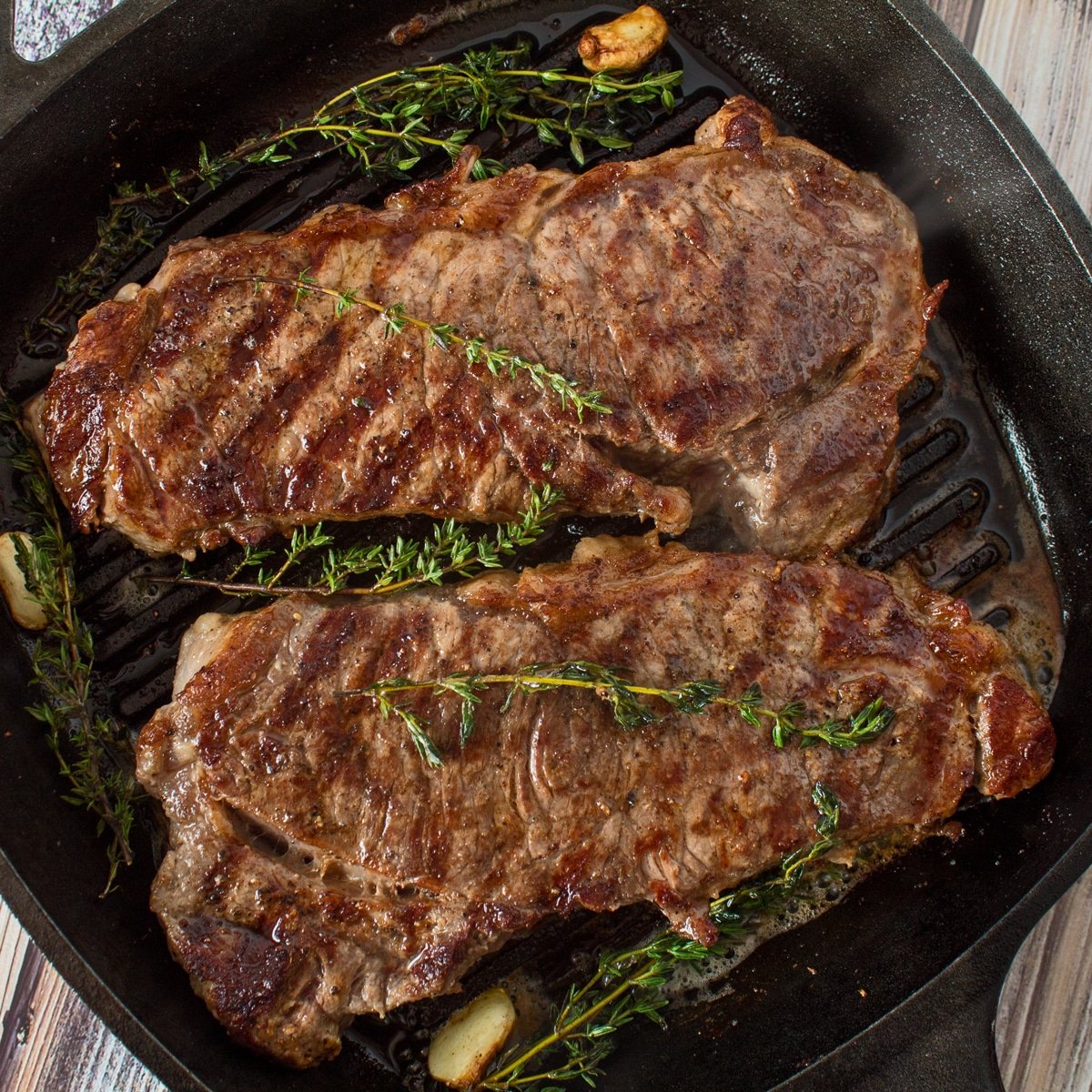
When shopping for a New York Strip, look for generous marbling—the intricate web of white intramuscular fat that melts during cooking to provide moisture and flavor. Ideally, the steak should be at least one and a half inches thick. A thinner steak will overcook in the center before achieving a deep, caramelized crust. If you are traveling through cattle country in Texas, you might find exceptional Wagyu or Angus cross-breeds that are particularly well-suited for high-heat searing.
The Importance of Surface Dryness
Moisture is the enemy of the Maillard reaction, the chemical process that creates that savory, golden-brown crust. Remove your steak from its packaging an hour before cooking and pat it thoroughly dry with paper towels. Leave it on a wire rack at room temperature. This not only dries the surface but allows the core temperature of the meat to rise slightly, ensuring it doesn’t shock the pan and drop the surface temperature too drastically when you start cooking.
Seasoning Strategy
Do not be timid with salt. Use a coarse Kosher salt or sea salt harvested from the pristine waters off the coast of France. Salt the steak generously on all sides, including the edges. The salt will draw out a small amount of moisture initially, but if you wait long enough, that moisture will be reabsorbed into the meat, seasoning the muscle fibers deeply. Save your freshly cracked black pepper for the very end of the cooking process to prevent it from burning and becoming bitter in the hot pan.
Mastering the Pan-Frying Technique
The choice of pan is as critical as the steak itself. A heavy-bottomed cast iron skillet is the gold standard, as it holds heat consistently and develops a non-stick patina over time.
Heat Management
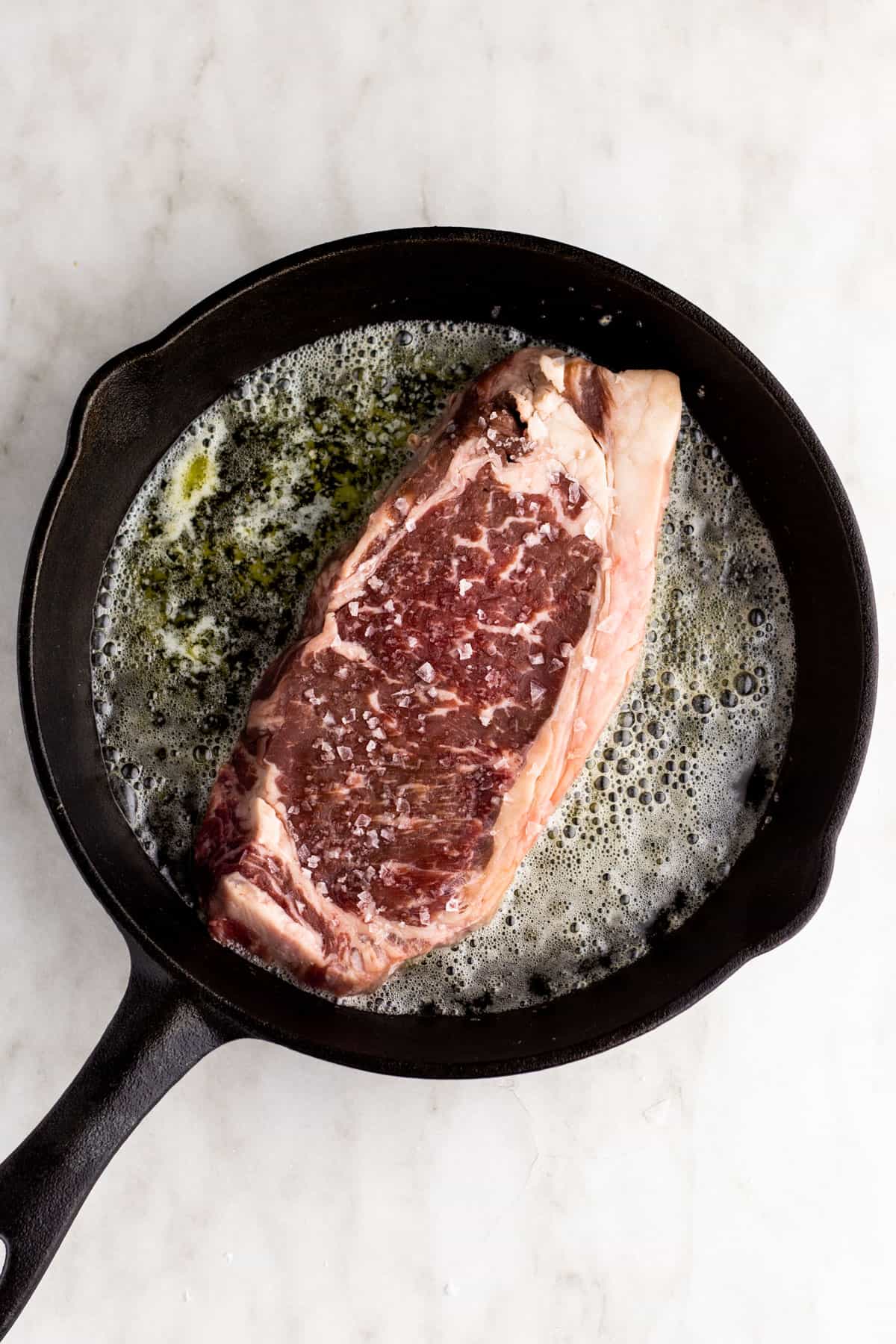
Place your skillet over medium-high heat. Allow the pan to reach a high temperature before adding your fat. Use an oil with a high smoke point, such as avocado or grapeseed oil. If you are visiting a farm-to-table establishment in California, you might appreciate the nuance of a high-quality, high-heat-stable fat. Once the oil begins to shimmer, carefully lay the steak away from you to avoid hot splatters.
The Sear and the Flip
Once the steak hits the pan, do not move it. Let it sear undisturbed for about two to three minutes. You are looking for a deep, mahogany crust. Flip the steak and repeat on the other side. Use tongs to sear the fat cap on the side of the strip; the rendered fat from this strip is often considered the best bite of the entire cut.
The Butter Baste
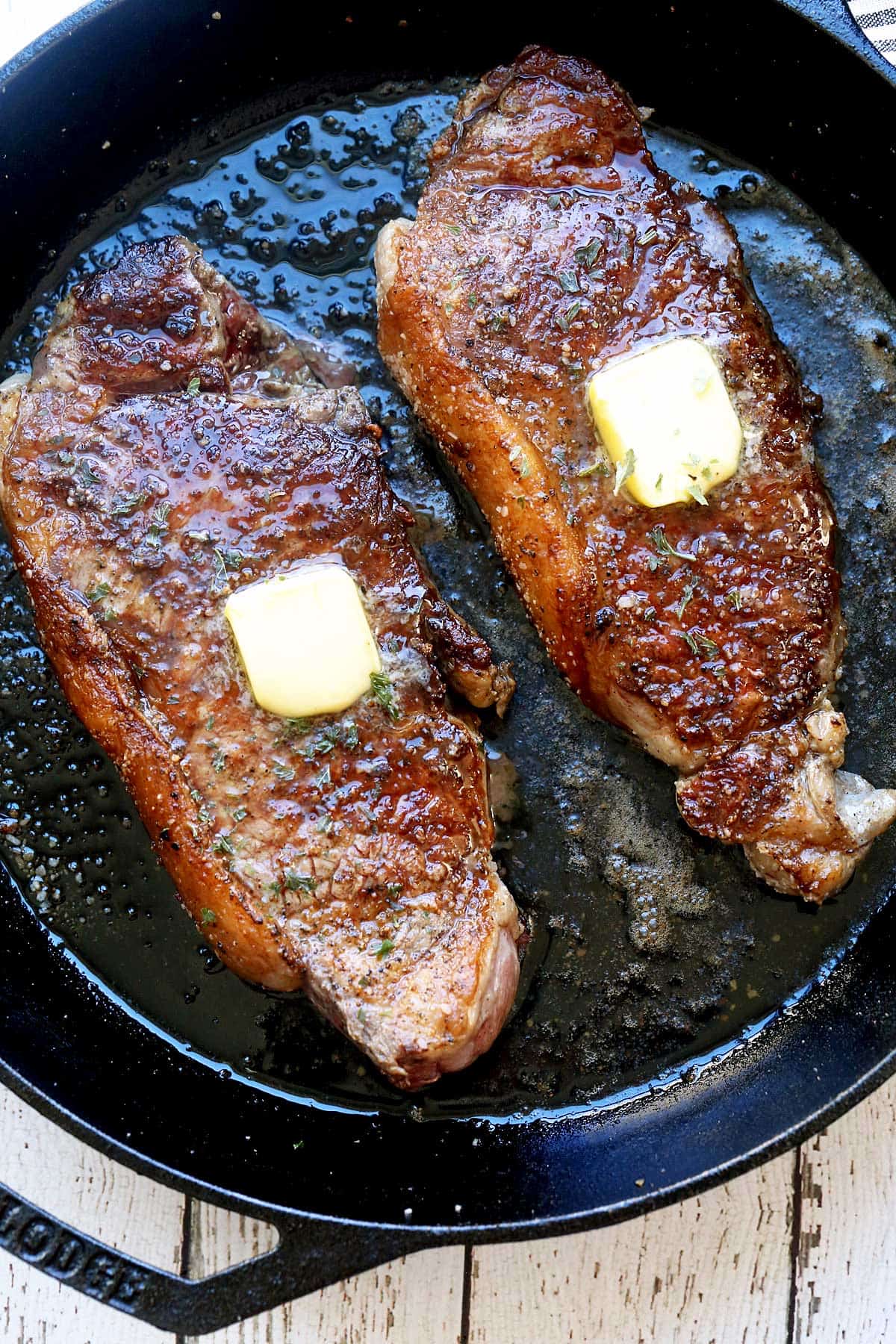
This is the secret technique utilized in the kitchens of top-tier restaurants from London to Tokyo. In the final two minutes of cooking, lower the heat slightly and add two tablespoons of high-quality unsalted butter, a few cloves of smashed garlic, and sprigs of fresh thyme or rosemary to the pan. As the butter foams, tilt the pan and use a large spoon to continuously baste the steak with the aromatic, nutty liquid. This process infuses the meat with flavor and ensures even, gentle heat distribution.
Ensuring Perfect Doneness
Internal temperature is the only objective measure of success. While many home cooks rely on touch, a digital instant-read thermometer is the tool of the professional.
Target Temperatures
For a perfect medium-rare, pull the steak from the pan when the center registers approximately 125°F (52°C). It will continue to climb to 130°F while it rests. If you prefer a medium finish, aim for 135°F. Remember that the residual heat—often called “carryover cooking”—is significant, especially with a thick-cut strip.
The Art of the Rest
The most important step in the entire process is the rest. Transfer the steak to a warm plate or a cutting board and let it sit undisturbed for at least 8 to 10 minutes. During this time, the muscle fibers relax, and the juices—which have been pushed toward the center by the intense heat—redistribute throughout the steak. Cutting into a hot steak immediately causes the juices to spill out onto the board, leaving you with dry meat.
Resting and Serving
While the steak rests, you can pour the remaining butter and herb mixture from the pan over the meat. Slice the New York Strip against the grain to maximize tenderness. If you are serving this for a special dinner in a culinary capital like Paris, pair it with simple, classic accompaniments like roasted asparagus or a starch like pomme purée, which allow the complex flavor of the beef to remain the star of the show.
Elevating Your Culinary Experience
Pan-frying a New York Strip is an exercise in focus. It requires understanding how heat, time, and quality ingredients interact. When you achieve that perfect crust—dark, salty, and savory—paired with a vibrant, tender interior, you understand why this simple method has endured across global culinary traditions.
Whether you are hosting a formal dinner party or treating yourself to a quiet meal after a long flight from Dubai, the ability to execute this dish perfectly is a cornerstone skill for any cook. Treat the ingredients with respect, invest in the right tools, and practice the timing. Before long, you will find that your homemade New York Strip rivals any that you might order at the most renowned steakhouses in Las Vegas or Sydney. By mastering the control of the pan, the temperature of the fat, and the necessity of the rest, you bring the essence of professional dining into your own home, creating a memorable experience that relies not on complicated recipes, but on the flawless execution of fundamentals.
LifeOutOfTheBox is a participant in the Amazon Services LLC Associates Program, an affiliate advertising program designed to provide a means for sites to earn advertising fees by advertising and linking to Amazon.com. Amazon, the Amazon logo, AmazonSupply, and the AmazonSupply logo are trademarks of Amazon.com, Inc. or its affiliates. As an Amazon Associate we earn affiliate commissions from qualifying purchases.