
The landscape of short-term rentals in New York City underwent a seismic shift in September 2023. For years, travelers visiting the United States relied on platforms like Airbnb to secure affordable, localized lodging in boroughs like Manhattan, Brooklyn, and Queens. However, the implementation of Local Law 18 has effectively curtailed the ability of most property owners to rent out their homes on a short-term basis. Understanding the current regulatory environment is essential for anyone planning a trip to the Big Apple.
The Regulatory Framework: Local Law 18
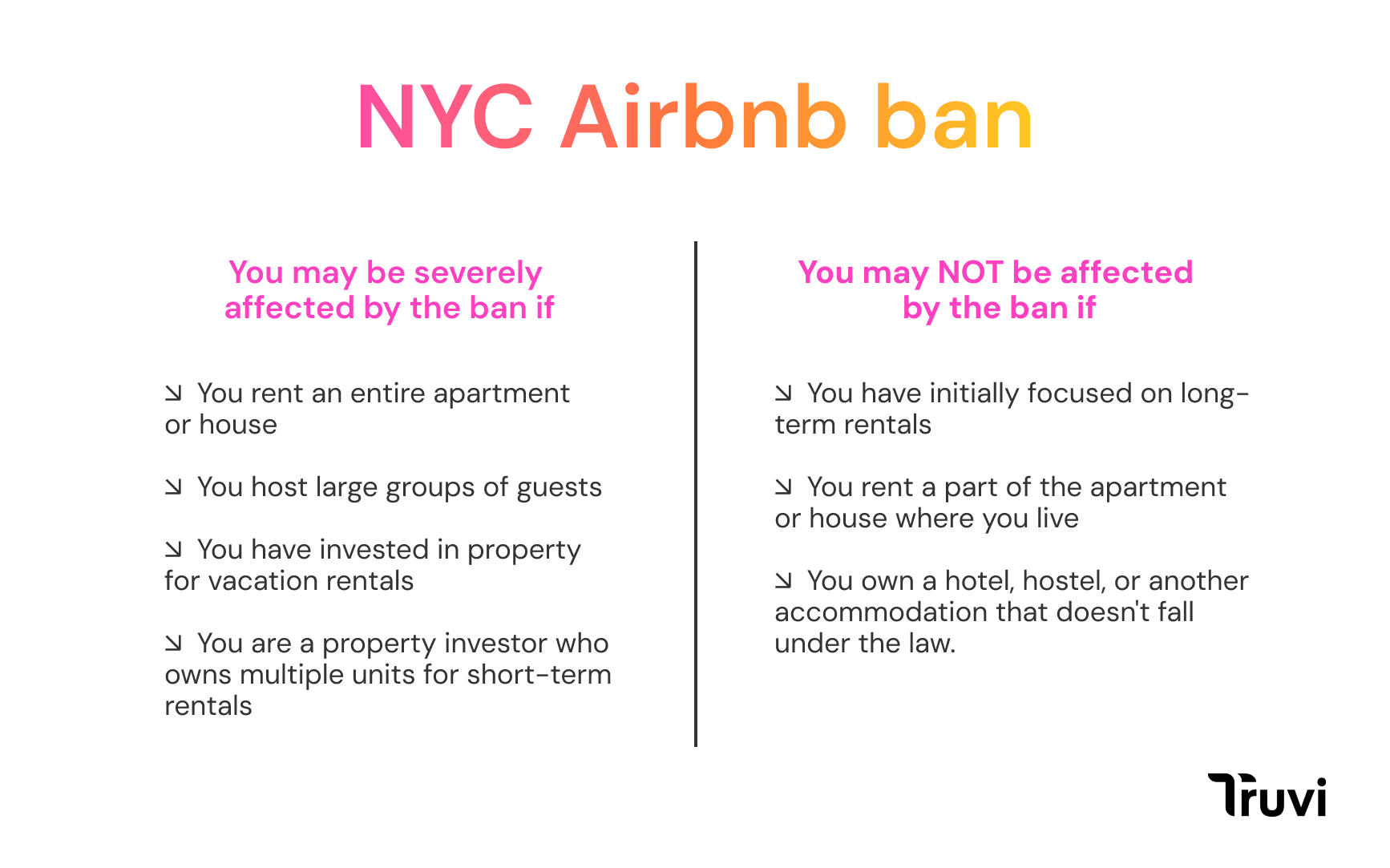
The primary reason for the current legal restriction is the enforcement of strict registration requirements for hosts. Under the new mandate, all short-term rental hosts must register their properties with the Mayor’s Office of Special Enforcement. The requirements for obtaining this registration are stringent, and for the vast majority of apartment renters and condo owners, they are virtually impossible to meet.
The Requirement of Presence
For a short-term rental to be legal in New York City, the host must be present in the dwelling throughout the duration of the guest’s stay. Furthermore, the host is limited to hosting no more than two guests at a time. This effectively bans the rental of entire apartments, houses, or brownstones while the owner is away on vacation or living elsewhere.
Permanent Dwellings and Zoning
The law focuses on preserving the city’s long-term housing stock. By prohibiting owners from converting permanent housing units into transient hotel-like accommodations, the city aims to address the persistent affordability crisis. Consequently, most listings that formerly operated as “entire place” rentals on booking platforms have been removed from the market, leaving travelers to seek alternatives within the traditional hospitality sector.
Navigating Legal Accommodation Alternatives
With the drastic reduction in short-term residential rentals, visitors must adjust their expectations and planning strategies. While the classic “Airbnb experience” of having a private apartment in a residential neighborhood like Williamsburg or the Upper West Side is largely a thing of the past, New York City remains a global hub for world-class hospitality.
The Return to Traditional Hotels
The hospitality industry in New York City has surged to meet the demand left by the disappearance of short-term residential rentals. Hotels such as the The Plaza Hotel or more contemporary boutique options like the Public Hotel offer a level of security and service that residential rentals often lacked. Travelers are encouraged to look toward these established providers for their stays.
Extended Stay and Apartment-Style Hotels
For those who prefer the amenities of a home—such as a kitchen or laundry facilities—many hotel brands have pivoted to provide “extended stay” options. Properties that offer studio or suite-style layouts are becoming the standard replacement for those who previously frequented short-term rentals. These properties are fully licensed to operate as transient accommodations, ensuring that guests do not face the risk of a last-minute cancellation due to legal compliance issues.
Tips for Booking Your Stay in the Big Apple
Planning a trip to one of the world’s most visited cities requires careful consideration of where you stay. While the regulatory changes regarding short-term rentals have made booking more predictable, they have also altered the price dynamics of the market.
Verify Your Booking Source
It is highly recommended that travelers stick to reputable, well-known hotel booking engines. Because the city actively monitors and shuts down illegal short-term rental operations, booking through an unlicensed individual or a platform that does not verify registration numbers puts your travel plans at significant risk. Should an enforcement action occur, guests may find themselves without a place to stay upon arrival.
Focus on Location and Transit
Because you may be opting for a hotel room rather than a neighborhood apartment, proximity to transit becomes even more vital. Research your hotel’s distance from major transit hubs like Grand Central Terminal or Penn Station. New York City is a city best explored on foot and by subway, so staying centrally located or near a primary train line often outweighs the value of staying in a peripheral residential area.
Consider Neighborhood Vibe Over Property Type
Many visitors seek out short-term rentals for the “local” experience. However, you can still immerse yourself in the culture of a neighborhood without living in a private residence. Spend your mornings at local cafes in Greenwich Village, explore the galleries in Chelsea, or walk the streets of SoHo. Staying in a hotel allows you to enjoy the city as a guest while respecting the residential laws of the boroughs you are visiting.
The Future of City Tourism
The crackdown on short-term rentals is a reflection of the city’s commitment to prioritizing the needs of its residents over the convenience of tourists. While this transition period has caused frustration for some, it has arguably stabilized the rental market for permanent residents of New York City.
Responsible Tourism
As a visitor, your impact on the local economy is significant. By choosing to stay in legally operated hotels and accommodations, you are contributing to a regulated industry that follows safety codes, fire regulations, and labor laws. This ensures that the tourism infrastructure—ranging from the staff at The St. Regis New York to the management at The Standard High Line—is sustainable and fair.
Planning Ahead
The best advice for travelers today is to plan with a high degree of certainty. Do not gamble on “under the radar” listings that ignore New York City laws. By prioritizing established hotels and officially registered accommodations, you ensure that your trip to Manhattan or any of the five boroughs is defined by memorable experiences in world-class landmarks like the Empire State Building or the Statue of Liberty, rather than by housing insecurities or booking cancellations.
While the “Airbnb era” may have effectively ended for the average tourist in New York City, the spirit of the city remains as vibrant as ever. The regulatory environment is merely a new parameter in a long history of urban evolution. By respecting the laws and choosing verified accommodation, you contribute to a better, more sustainable experience for everyone involved in the life of this iconic North American metropolis.
LifeOutOfTheBox is a participant in the Amazon Services LLC Associates Program, an affiliate advertising program designed to provide a means for sites to earn advertising fees by advertising and linking to Amazon.com. Amazon, the Amazon logo, AmazonSupply, and the AmazonSupply logo are trademarks of Amazon.com, Inc. or its affiliates. As an Amazon Associate we earn affiliate commissions from qualifying purchases.